
Signs You Need Immediate Brake Pad Replacement: How to Identify Worn Brake Pad Symptoms and Act Fast
Brake pads are a critical safety component that convert kinetic energy into friction to slow and stop your vehicle, and recognizing worn brake pad symptoms early prevents accidents and costly repairs. This article explains how to tell if brake pads are worn, what specific noises and feelings mean, and which signs demand immediate professional attention. Readers will learn the most common indicators—squealing, grinding, pedal vibration, longer stopping distances, dashboard warnings, and how to visually inspect pad thickness—plus when to replace pads, how an inspection is performed, cost drivers in Columbus, Ohio, prevention tips, and emergency steps. The goal is to equip vehicle owners with clear diagnostic cues and practical next steps so they can act fast and safely when brake performance degrades. Throughout the guide you’ll find actionable checklists, comparison tables for costs and materials, and recommended inspection and emergency procedures tailored to real-world driving conditions.
What Are the Most Common Signs of Worn Brake Pads?
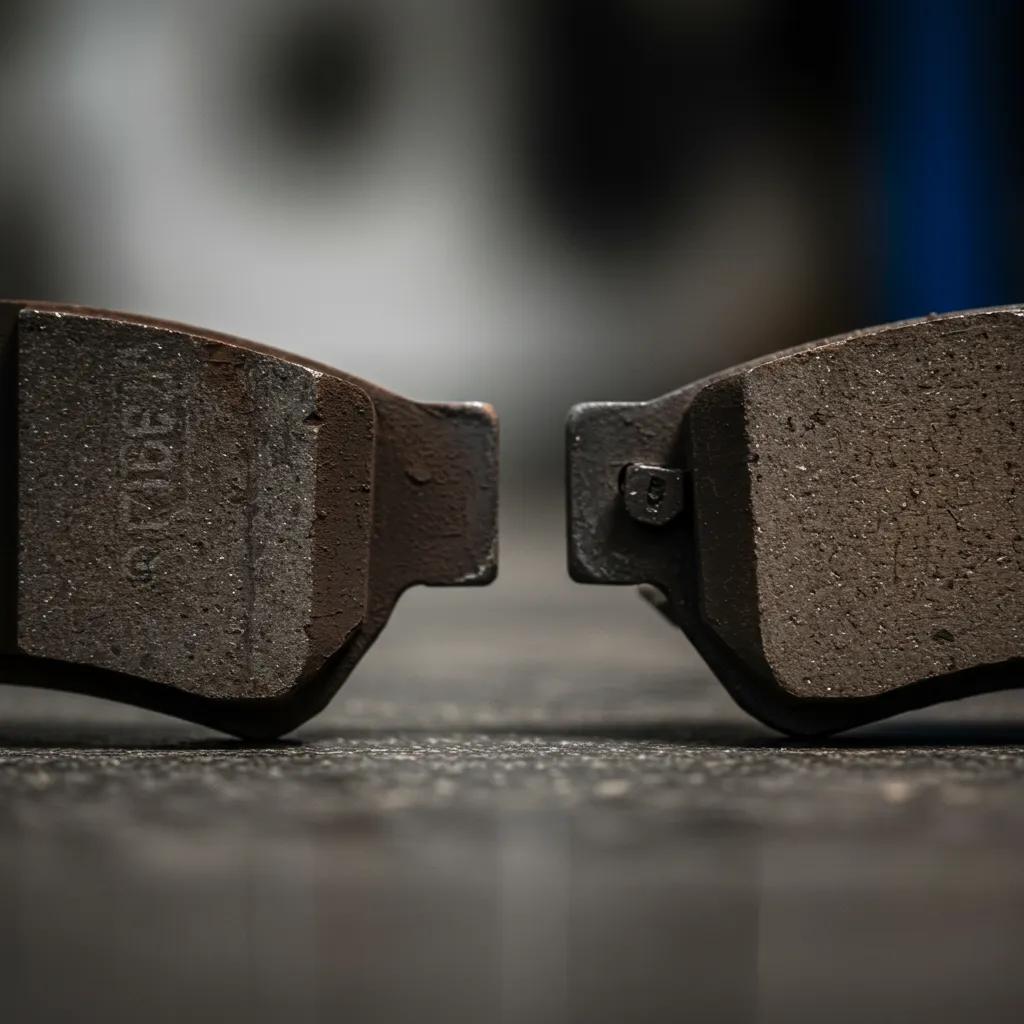
Worn brake pads typically present as audible, tactile, or performance-related symptoms because thinning friction material reduces stopping power and changes how the braking system behaves under load. Recognizing these signs early reduces rotor damage and preserves overall brake system health, so a clear checklist of symptoms helps drivers prioritize inspections. Below we summarize the top indicators and when to treat them as urgent. Understanding these symptoms ties directly to safety: less pad material increases stopping distance and raises the risk of metal-on-metal contact, which leads to more expensive repairs.
The most common symptoms of worn brake pads include:
- Squealing or screeching: High-pitched tones that often indicate wear indicators or glazing.
- Grinding: Deep metallic noise suggesting pad material is gone and rotors may be damaged.
- Pedal vibration or pulsation: Feels like pulsing that often signals rotor warpage or uneven pad wear.
- Longer stopping distance: Noticeably reduced braking performance at normal speeds.
- Dashboard brake warning lights: Active brake system or ABS alerts that require diagnostics.
- Low pad thickness on visual inspection: Less than the recommended minimum material remaining.
These symptoms map directly to causes and urgency levels, helping you decide whether to schedule service immediately or monitor until the next inspection.
| Symptom | Likely Cause | Urgency |
|---|---|---|
| Squealing or screeching | Wear indicator contact, glazed pads, contamination | Monitor to urgent (if persistent) |
| Grinding noise | Metal-on-metal contact due to worn pads | Immediate—stop and inspect |
| Pedal vibration/pulsation | Warped rotors, uneven pad wear, caliper issues | Urgent—inspect within 24-48 hours |
| Increased stopping distance | Thinned friction material, brake fluid/rotor issues | Urgent—schedule inspection soon |
| Brake dashboard light | Sensor trigger, low fluid, ABS fault | Immediate diagnostic recommended |
| Thin pad thickness on visual check | Normal wear past threshold | Replace soon—avoid driving under heavy load |
The table above helps prioritize action: grinding and dashboard emergencies rank highest for immediate response, while faint intermittent squeal may allow short-term monitoring. Recognizing the symptom leads naturally to quick inspection steps and safety-first decisions.
What Does Squealing or Screeching Brakes When Stopping Mean?
Squealing is typically a high-frequency sound caused by thin pads contacting the rotor either via a built-in wear indicator or due to glazed pad surfaces that vibrate during braking. This noise often precedes more severe wear and serves as an early warning that friction material is reduced or contaminated, so it should prompt a visual check. Temporary fixes like cleaning brake dust or replacing hardware may mute the sound, but persistent squeal usually means pad replacement is needed. If you hear sustained or worsening squeal, arrange an inspection soon to avoid escalation to metal-on-metal contact that produces grinding.
How to Recognize a Grinding Brake Pad Noise and Its Dangers?
Grinding is a low, harsh metallic sound that generally indicates the brake pad friction material is effectively gone and metal backing is contacting the rotor, which risks rapid rotor scoring and heat damage. This is a high-urgency symptom because continued driving can force rotor replacement rather than the less expensive pad change. If grinding occurs, stop driving when safe and arrange an immediate service visit; avoid heavy braking and towing may be necessary depending on severity. Repair after grinding commonly includes both new pads and rotor resurfacing or replacement to restore safe braking function.
Why Does My Brake Pedal Vibrate or Pulsate When Braking?
A vibrating or pulsating brake pedal usually signals uneven rotor thickness or warpage, which causes the pad-to-rotor contact to vary as the wheel rotates and produces a rhythmic pulsing through the pedal. Other causes include uneven pad material transfer or caliper sticking that prevents smooth pad engagement, and ABS activation can sometimes be perceived similarly under certain conditions. Diagnosis involves test driving at varied speeds and measuring rotor runout with a dial indicator; technicians will compare pedal feel to instrumented checks to isolate the root cause. Addressing vibration early prevents accelerated pad wear and restores consistent pedal feel.
Research suggests that brake rotors can develop thickness variations and corrosion, leading to judder and pulsation, which necessitates onboard fault detection for vehicle safety.
Detecting Brake Rotor Issues for Vehicle Safety
Brake rotors are essential parts of the disc brake systems. Brake rotor thickness variation (RTV) and corrosion are among top failure modes for brake rotors, which may lead to brake judder and pulsation, steering wheel oscillations and chassis vibration. To improve customer satisfaction, vehicle serviceability and availability, it is necessary to develop an onboard fault detection and isolation solution.
How Do Longer Stopping Distances Indicate Brake Pad Wear?
Longer stopping distances occur when friction material can’t generate adequate braking force at the usual pressure, either because pads are worn, glazed, or contaminated, or because rotors and tires are compromised. A practical way to judge is by comparing stopping performance at low speeds in a safe area—if the distance increases noticeably from prior experience, it suggests reduced braking efficiency. Contributing factors like tire tread, road surface, and brake fluid condition should be considered alongside pad wear when assessing risk. If stopping distances increase noticeably, reduce driving speed and schedule a brake inspection promptly to avoid dangerous situations.
What Do Dashboard Brake Warning Lights Tell You About Brake Pad Condition?
Brake system warning lights and ABS indicators are triggered by sensors that detect faults ranging from low fluid to wheel speed or pad wear sensor alerts, and they don’t exclusively point to worn pads. A dedicated brake warning typically signals a system-level fault that requires diagnostic scanning to identify whether pad sensors, hydraulic issues, or ABS components are responsible. Always treat illuminated brake lights as urgent rather than cosmetic, because they can represent reduced system redundancy or imminent failure. A professional inspection will interpret the light codes and recommend corrective measures that may include pad replacement or hydraulic repairs.
How to Visually Inspect Brake Pads for Thickness and Wear?
A visual inspection through the wheel spokes or during tire removal lets you estimate pad thickness and spot uneven wear patterns; look for a remaining friction layer less than approximately 3 mm as a common replacement threshold. Also check for rotor scoring, pad edge cracking, or loose hardware, all signs that the braking system needs service beyond a simple pad swap. Use a flashlight and mirror if necessary and avoid placing hands near hot components; if you’re unsure, a professional measurement using calipers or pad gauges provides definitive assessment. Regular visual checks help catch thinning pads before they cause rotor damage or degraded stopping performance.
When Should You Replace Brake Pads? Understanding Timing and Urgency
Brake pad replacement timing balances routine lifespan estimates with immediate red flags; typical replacement windows span tens of thousands of miles but vary widely by driving style, pad material, and vehicle class. Knowing average ranges and the immediate triggers for replacement helps you plan maintenance rather than react to failure. Below we outline mileage expectations, the risks of delay, safe driving guidance when pads are worn, and how Columbus driving patterns can accelerate wear. Understanding these factors helps prioritize preventive service and avoid emergency repairs.
Brake pads commonly last between roughly 30,000 and 70,000 miles depending on pad material and driving conditions; city stop-and-go traffic shortens lifespan while highway driving extends it. Aggressive braking, towing, and frequent short trips accelerate wear and push replacement earlier. Material choice—ceramic, semi-metallic, or organic—also influences durability and noise characteristics. Keep these variables in mind when assessing whether your vehicle is due for replacement.
| Vehicle/Pad Type | Estimated Cost per Axle | Typical Lifespan |
|---|---|---|
| Compact car (semi-metallic) | $120–$250 | 30,000–50,000 miles |
| Midsize SUV (ceramic) | $180–$350 | 40,000–70,000 miles |
| Light truck (semi-metallic/OEM) | $200–$400 | 30,000–60,000 miles |
Delaying replacement risks rotor damage, increased repair bills, and compromised stopping power. If you encounter grinding, flashing dashboard lights, or major pedal changes, prioritize immediate repair rather than deferring maintenance.
How Long Do Brake Pads Typically Last?
Typical brake pad lifespan depends on material and use: city drivers with frequent stops often replace pads every 30,000 miles, whereas highway drivers may see 50,000–70,000 miles from the same pad type. Semi-metallic pads wear faster but handle heat well, while ceramic pads last longer and run quieter at a higher cost premium. Personal driving patterns, vehicle weight, and brake system design also influence lifespan, so treat published ranges as estimates rather than guarantees. If you notice early warning signs, follow up with inspection rather than relying solely on mileage.
What Are the Risks of Delaying Brake Pad Replacement?
Delaying replacement increases the chance of rotor scoring, caliper damage, higher labor costs, and reduced vehicle control under braking—each outcome compounds repair complexity and expense. A short delay may be manageable with careful driving, but persistent neglect often results in the need to resurface or replace rotors and address associated hardware failures. Financially, replacing pads early is usually far cheaper than addressing rotors and calipers damaged by metal-on-metal contact. From a safety standpoint, delayed service raises accident risk and legal liability in an incident.
Can You Drive Safely with Worn Brake Pads?
Limited, careful driving may be acceptable for short trips if the only sign is a faint squeal and stopping distances remain normal, but any grinding, severe vibration, or dashboard warning light means you should stop driving immediately. Use reduced speeds, avoid heavy loads, and plan to reach a repair facility or arrange towing if symptoms worsen. The safest approach is to favor inspection over risk: a few hours of repair scheduling can prevent far greater danger and expense. When in doubt, consider professional evaluation before continuing to drive.
How Does Local Driving in Columbus, Ohio Affect Brake Pad Wear?
Columbus driving patterns—urban commuting, frequent stoplights, and occasional winter road treatments—tend to accelerate pad wear compared with steady highway travel. Salt and abrasive road treatments in winter can increase corrosion and hardware wear, causing pads and calipers to require more frequent attention. Parking-lot maneuvering and short trips common in city life also reduce pad life because brakes don’t cool fully between stops. Local drivers should factor seasonal checks and pre-winter inspections into routine maintenance planning.
How Is a Professional Car Brake Inspection Conducted?
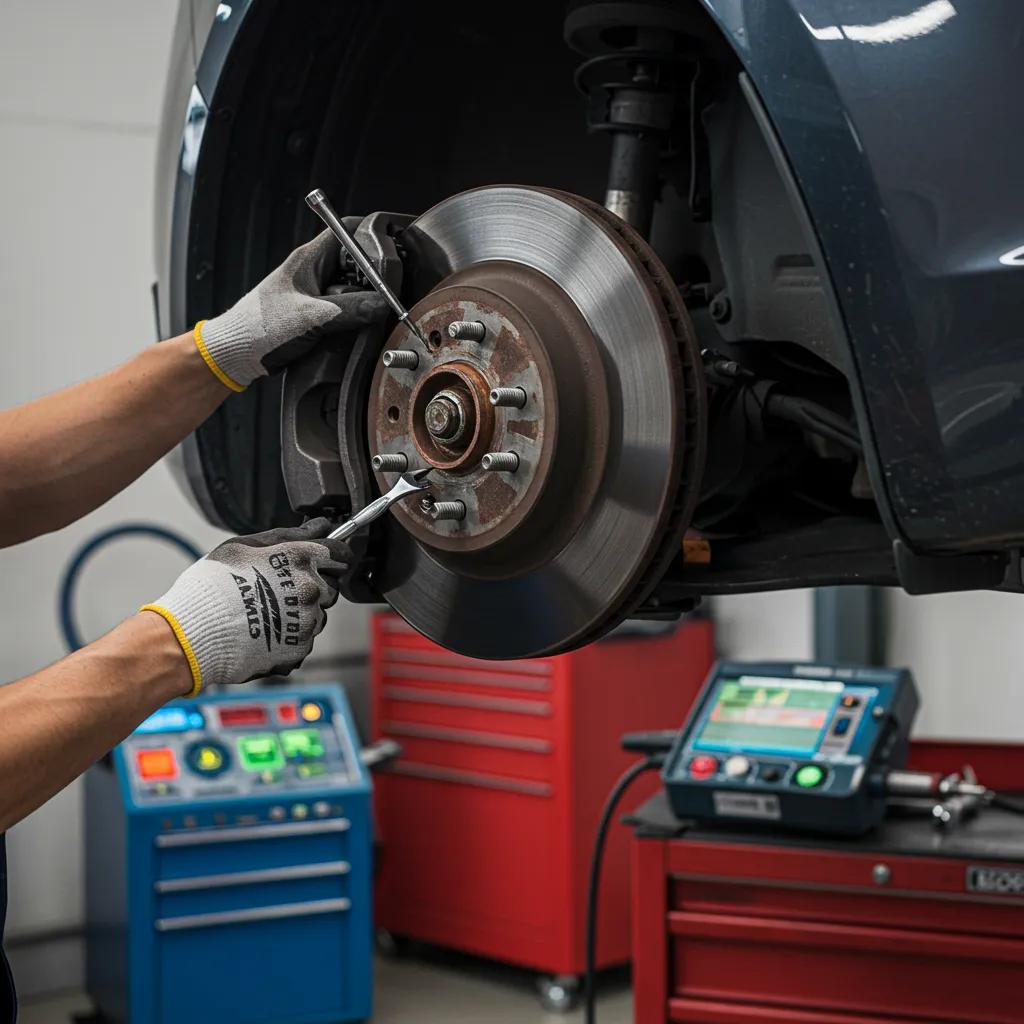
A professional brake inspection systematically evaluates pads, rotors, calipers, fluid, and sensors to determine remaining pad thickness, rotor condition, and system integrity using measurement tools and test drives. Mechanics combine visual inspection, instrumented measurements, and diagnostic scans to identify wear patterns and ancillary failures, then communicate clear findings and recommended repairs. Knowing what a shop checks and how they report results helps you set expectations before arriving for service. Below is a breakdown of typical inspection items and possible findings.
Before the table, here’s what technicians typically assess in an inspection and why those checks matter for safety and repair planning.
| Component | What the mechanic checks | Possible findings |
|---|---|---|
| Brake pads | Remaining thickness, glazing, uneven wear | Replace pads, minor cleaning, or repositioning |
| Brake rotors | Surface condition, runout/warpage, thickness | Resurface, replace, or shim depending on wear |
| Brake calipers | Slide pin function, piston movement, leaks | Lubricate, rebuild, or replace caliper |
| Brake fluid | Contamination, moisture content, level | Flush and replace fluid if degraded |
| ABS sensors | Sensor function and wheel speed readings | Sensor cleaning or electrical diagnostics |
This component table clarifies how measurement and inspection translate into repair recommendations, helping consumers understand quotes and repair scope.
What Components Are Checked During a Brake System Inspection?
Technicians verify pad thickness, rotor surface and runout, caliper movement, brake fluid condition, and sensor/ABS function during a full inspection to ensure safe and predictable braking. Measurement tools like micrometers and dial indicators establish whether rotors meet minimum thickness and whether pads exceed safe wear thresholds. The mechanic also inspects hoses and hardware for corrosion or damage that could affect performance or complicate replacement. Clear reporting includes which components need immediate attention and which can be monitored.
How Do Mechanics Diagnose Brake Pad Wear and Related Issues?
Diagnosis combines direct measurements, listening for characteristic noises during test drives, and checking for fluid or hardware issues that might mimic pad problems; tools include calipers, runout gauges, and scan tools for ABS. Measuring pad thickness and rotor thickness provides objective criteria for replacement, while test drives reveal vibration, fade, or pedal anomalies. When pad wear is uneven, technicians investigate caliper operation and hardware alignment to prevent repeat issues. Diagnostic rigor helps avoid unnecessary parts replacement and ensures cost-effective repairs.
Why Is Regular Brake Inspection Important for Vehicle Safety?
Regular inspections catch wear patterns or emerging failures early, avoiding rotor replacement and mitigating accident risk by maintaining consistent braking performance; this preventive approach saves money and enhances safety. Timely inspections identify hydraulic issues, contaminated brake fluid, and sensor faults before they escalate into system failures. From a safety management perspective, inspections provide documented evidence that braking systems were maintained, which can be important in vehicle ownership and after-incident reviews. Routine checks form the backbone of responsible vehicle maintenance and peace of mind.
How to Schedule a Brake Inspection at Blackstone Complete Auto Care LLC?
Blackstone Complete Auto Care LLC offers professional brake inspections that include measurement of pad thickness, rotor assessment, caliper function checks, and a clear written summary of findings so vehicle owners understand recommended repairs and priorities. Provide your vehicle make, model, mileage, and a brief description of symptoms when scheduling to help the shop prepare for the inspection and estimate time needed. Provide useful information about auto care services, build trust, and lead users to schedule appointments for maintenance and repairs. Expect technicians to present a transparent estimate and explain options such as pad material choices and whether rotors require resurfacing or replacement.
What Causes Different Brake Noises and What Do They Mean?
Brake noises fall into categories—squealing, grinding, clicking, or other unusual sounds—each pointing to different root causes that range from benign wear indicators to serious mechanical failure. Distinguishing between these noises and their severity helps determine whether to monitor, schedule near-term service, or stop driving immediately. Below we outline causes, quick troubleshooting steps, and a simple rule-set for when noise demands urgent attention. Understanding noise taxonomy speeds diagnosis and reduces the chance of misjudging a dangerous symptom.
Common causes and responses for brake noises:
- Squealing: Often wear indicators or glazing; inspect pads and hardware.
- Grinding: Metal-on-metal contact—stop driving and seek immediate repair.
- Clicking/Clunking: Loose hardware, broken clips, or caliper movement—inspect mounting.
- Intermittent noises: Can indicate contamination, moisture, or hardware needing lubrication.
The sounds brakes make can be indicative of their internal condition, with research exploring acoustic analysis as a method to monitor brake lining wear.
Monitoring Brake Wear with Acoustic Analysis
A new approach for detecting problems with vehicle brakes by analyzing sounds emitted during braking events is proposed. Vehicle brakes emit acoustic energy as part of the braking process; the spectra of these sounds are highly dependent on the mechanical condition of the brake and can be used to detect problems. Acoustic theory indicates that as brake linings wear thinner the resonant frequency of the shoe or pad increases, potentially enabling the monitoring of lining wear through passive acoustic sensors.
What Causes Squealing Brakes and How Can It Be Fixed?
Squealing commonly results from pad wear indicators touching the rotor, glazed pad surfaces that vibrate, or buildup of brake dust and contamination that alters friction characteristics. Fixes range from cleaning and replacing worn hardware to full pad replacement when material is low; sometimes changing to a different pad compound (e.g., ceramic vs semi-metallic) reduces noise. Preventive measures include regular cleaning, using anti-squeal shims, and choosing pad compounds suited to your driving style. If squealing persists after basic remedies, professional replacement is likely required.
What Does a Grinding Noise Indicate About Brake Pad Condition?
A grinding noise indicates the pad friction material has been worn away and metal backing is contacting the rotor, which requires immediate attention to prevent rotor gouging and further system damage. Repair typically involves replacing the pads and assessing rotors for resurfacing or replacement depending on their condition; ignoring grinding accelerates repair costs. If grinding occurs, avoid driving unless necessary and arrange an urgent inspection to limit damage. Post-repair, technicians recommend checking hardware and possibly upgrading pad material to better suit driving conditions.
What Are Clicking or Other Unusual Brake Sounds?
Clicking or clunking noises are often caused by loose or degraded mounting hardware, broken anti-rattle clips, or caliper movement that allows pads to shift under braking; less commonly they indicate caliper slide pin seizure or worn pad backing. Diagnosing clicking includes a visual hardware check and test-driving to reproduce the sound under controlled braking conditions. Fixes usually involve replacing clips, lubricating slide pins, or tightening mounting bolts; rare cases require caliper servicing. Prompt attention prevents uneven pad wear and ensures consistent braking.
When Should You Seek Immediate Brake Repair for Noises?
Seek immediate repair when noises are accompanied by grinding, burning smells, loss of pedal firmness, or dashboard warnings, as these signs indicate severe wear or hydraulic issues that compromise safe braking. For intermittent minor squeal without performance loss, schedule inspection within days; for grinding or rapid performance decline, stop driving and arrange urgent service. Use this decision rule: if the noise changes braking behavior or appears suddenly and severely, prioritize emergency response. Acting quickly reduces the chance of rotor damage and higher repair costs.
How Much Does Brake Pad Replacement Cost and What Affects Pricing?
Brake pad replacement cost depends on vehicle type, pad material, labor rates, and whether rotors or calipers also require service; local market conditions in Columbus influence final pricing. Typical per-axle ranges vary from budget-friendly semi-metallic pads to higher-cost ceramic or OEM options that last longer and run quieter. Additional services such as rotor resurfacing or replacement and brake fluid exchange increase the final bill. Below is a cost comparison by vehicle and pad material to help set expectations and guide choices.
The table below compares estimated costs and typical lifespans so you can match price to performance needs.
| Vehicle / Pad Material | Estimated Cost per Axle | Typical Lifespan (miles) |
|---|---|---|
| Compact car / Semi-metallic | $120–$250 | 30,000–50,000 |
| Midsize car / Ceramic | $180–$350 | 40,000–70,000 |
| SUV / OEM performance pads | $220–$400 | 35,000–60,000 |
What Is the Average Cost of Brake Pad Replacement in Columbus, Ohio?
Local averages reflect a range: economy pad replacement often falls in lower-to-mid ranges while ceramic or OEM replacements incur higher parts costs; labor rates vary by shop and service inclusions. Costs increase if rotors need machining or replacement, which commonly occurs if pads are driven to metal. Ask for an itemized estimate that explains whether pricing includes inspection, parts, labor, and any warranty. Accurate quotes require vehicle make and model details and inspection findings.
How Do Vehicle Type and Brake Pad Material Influence Cost?
Vehicle weight, axle configuration, and caliper complexity influence labor time and parts cost—heavier vehicles and high-performance brakes typically cost more to service. Pad material affects both price and performance: ceramic pads usually cost more but offer quieter operation and longer life, while semi-metallic pads cost less and handle heat well at the expense of noise. Select pads based on driving habits: city commuters may prefer ceramic for comfort, while towing or performance drivers often choose semi-metallic or OEM recommendations.
When Are Brake Rotors or Calipers Also Replaced?
Rotors or calipers are replaced when rotor thickness falls below manufacturer minimums, when runout or warpage exceeds service limits, or when calipers leak or seize; these conditions are diagnosed during inspection. Rotor replacement significantly increases cost versus pad-only jobs; sometimes rotors can be resurfaced if within thickness limits and not severely scored. Caliper failures require rebuild or replacement and typically involve additional labor. Discuss these possibilities upfront and request measurement thresholds used to justify rotor or caliper replacement.
What Brake Service Packages Does Blackstone Complete Auto Care Offer?
Blackstone Complete Auto Care LLC provides brake service packages that typically combine a multi-point inspection, pad replacement, rotor assessment, and a clear written estimate that outlines parts and labor inclusions for transparency. Packages may offer options for pad materials and include an inspection report with recommended next steps so customers understand trade-offs between cost and long-term performance. Provide useful information about auto care services, build trust, and lead users to schedule appointments for maintenance and repairs. For precise estimates and package details, bring vehicle information and symptom descriptions to the appointment so the shop can prepare an accurate quote.
How Can You Prevent Brake Pad Wear and Extend Brake System Life?
Preventing premature pad wear combines driving habits, scheduled inspections, and attention to brake fluid and hardware maintenance; these measures reduce total ownership cost and improve safety. Implementing simple habits like smoothing braking, using engine braking where appropriate, and maintaining safe following distances significantly extends pad life. Regular fluid replacement and hardware lubrication keep components functioning and reduce uneven wear. Below are practical habits and a recommended inspection cadence to maximize brake system longevity.
Useful driving and maintenance habits include:
- Smooth braking: Anticipate stops to avoid heavy, repeated braking.
- Use engine braking: Downshift where safe to reduce pad usage.
- Maintain safe following distance: Less stop-and-go reduces wear.
- Regular inspections: Visual checks every few months and a professional check annually.
These habits, combined with periodic professional inspections and fluid maintenance, deliver the best ROI for brake longevity.
What Driving Habits Help Preserve Brake Pads?
Anticipatory driving—reading traffic ahead and easing off the throttle to coast—reduces hard stops and conserves pad life by minimizing peak friction events. Using engine braking on descents and avoiding unnecessary heavy braking when safe both reduce wear and heat buildup. Avoid riding the brakes in traffic and maintain proper following distances to limit repetitive minor stops that accelerate pad thinning. These driving adjustments are simple, cost-free ways to extend the service life of brake pads and rotors.
How Often Should You Have Your Brakes Inspected?
A baseline schedule is a visual inspection every few months and a professional brake inspection at least once a year or every 12,000–15,000 miles, with earlier checks if you notice noises or performance changes. Adjust inspection frequency upward for city drivers, frequent tow usage, or harsh winter conditions that accelerate wear and corrosion. Scheduling inspections before winter and after heavy towing seasons helps catch issues early. Regular inspections prevent escalation to rotor or caliper replacement, saving time and money.
What Role Does Brake Fluid Play in Brake Performance?
Brake fluid transmits hydraulic pressure from the pedal to the calipers and attracts moisture over time, which reduces boiling point and can produce spongy pedal feel and reduced braking at high temperatures. Contaminated or aged fluid increases corrosion risk and impairs braking performance, so periodic replacement per manufacturer recommendations and system condition is essential. During inspections, technicians test fluid condition and recommend flushing when moisture content or contamination exceeds safe thresholds. Maintaining fresh brake fluid preserves pedal feel and ensures reliable braking under stress.
How Does Regular Maintenance Save You Money and Improve Safety?
Early pad replacement prevents rotor scoring and caliper stress, avoiding more costly repairs and downtime; this preventive maintenance model typically yields clear cost savings compared with deferred repairs. Consistent inspections and fluid service maintain braking performance and reduce accident risk by ensuring predictable stopping power when you need it. From a resale and ownership standpoint, well-documented maintenance preserves vehicle value and demonstrates responsible care. Investing in routine maintenance protects both safety and budget over the vehicle lifespan.
What Should You Do in an Emergency Brake Pad Failure Situation?
Emergency brake pad failure requires immediate, calm action focused on reducing speed safely, signaling other drivers, and getting the vehicle to a secure location to prevent harm. Recognizing the most severe cues—no pedal resistance, loud grinding, smoke, or complete loss of braking—lets drivers react appropriately. Below is a rapid-action checklist followed by guidance on when to request emergency repair or towing. Prioritizing personal safety and avoiding abrupt maneuvers reduces secondary risks during an emergency.
If you encounter severe brake failure, follow these numbered steps immediately:
- Keep steering steady and downshift to use engine braking to reduce speed gradually.
- Pump the brake pedal to see if pressure can be restored; if pedal is soft, switch to an emergency parking brake gently.
- Use hazard lights and attempt to steer to a safe shoulder or low-traffic area without abrupt turns.
- Call for help or roadside assistance if braking cannot be reliably restored.
How to Recognize an Emergency Brake Problem?
Emergency brake failure signs include a near-absent or extremely soft pedal, loud grinding noises with loss of stopping power, visible smoke from a wheel area, or immediate dashboard warnings indicating critical faults. Any of these signs require you to treat the situation as a priority safety event and reduce speed carefully while avoiding sudden maneuvers that could worsen control. Recognize these indicators early by maintaining situational awareness and responding decisively. If you see smoke or smell burning while braking, stop as soon as it is safe.
What Immediate Actions Should You Take if Brakes Fail?
If brakes fail, downshift to lower gears to use engine braking, apply the emergency brake gently to avoid locking wheels, and steer to a safe location while signaling hazards to other drivers. Pumping the brake pedal may restore temporary pressure in some hydraulic failures, giving you a chance to slow down in a controlled manner. Avoid rapid lane changes or panicked braking; instead, focus on gradual deceleration and getting off the road. Once stopped, place hazard markers if available and refrain from driving until a professional inspection confirms system safety.
How Does Blackstone Complete Auto Care Provide Emergency Brake Repair in Columbus?
Blackstone Complete Auto Care LLC offers emergency brake repair support and prioritized inspections to address urgent failures with transparent diagnostic reporting and service options tailored to restore safe braking promptly. Technicians focus on a safety-first triage to determine whether immediate pad and rotor replacement, caliper repair, or towing is required and then present clear next steps and cost options. Provide useful information about auto care services, build trust, and lead users to schedule appointments for maintenance and repairs. For emergency situations, describe symptoms and vehicle details when contacting the shop so they can advise on next steps and prepare for urgent service.
When Is It Unsafe to Drive and You Need Tow or Roadside Assistance?
Driving is unsafe and towing is necessary when there is complete brake failure, locked or seized wheels, visible smoke or fire from brake components, or severe hydraulic leaks that prevent pedal pressure from building. In these cases, attempting to drive to a repair facility risks collision and further damage; arrange a tow or roadside assistance instead. Prior to tow arrival, secure the vehicle in park with the parking brake engaged if possible and use hazard lighting to alert oncoming traffic. When in doubt about the reliability of braking, choose towing—it’s the safer and often more economical decision.
Frequently Asked Questions
What are the best practices for maintaining brake pads?
To maintain brake pads effectively, adopt smooth driving habits such as anticipating stops and using engine braking when possible. Regularly inspect your brake system, ideally every few months, and have a professional check at least once a year. Additionally, ensure that brake fluid is replaced according to the manufacturer’s recommendations to prevent moisture buildup, which can affect braking performance. Keeping your brake components clean and well-lubricated also helps extend their lifespan and maintain optimal performance.
How can I tell if my brake fluid needs to be replaced?
Brake fluid should be replaced if it appears dark, cloudy, or contaminated, as these signs indicate moisture absorption and reduced effectiveness. During inspections, technicians will check the fluid’s moisture content; if it exceeds safe levels, a flush and replacement are recommended. Regularly monitoring brake fluid condition is crucial, as degraded fluid can lead to spongy brakes and compromised stopping power. Following the manufacturer’s guidelines for fluid replacement intervals is also essential for maintaining brake system integrity.
What should I do if I hear unusual noises from my brakes?
If you hear unusual noises from your brakes, such as grinding, squealing, or clicking, it’s important to address them promptly. Grinding typically indicates severe wear and requires immediate inspection, while squealing may suggest that the pads are worn or contaminated. Clicking noises could indicate loose hardware. In any case, schedule a professional inspection as soon as possible to diagnose the issue and prevent further damage to the braking system. Ignoring these sounds can lead to more costly repairs down the line.
How does driving style affect brake pad wear?
Your driving style significantly impacts brake pad wear. Aggressive driving, frequent hard braking, and stop-and-go traffic can accelerate wear, leading to more frequent replacements. Conversely, smooth driving habits, such as maintaining safe following distances and anticipating stops, can extend the life of your brake pads. Additionally, driving in hilly or mountainous areas may require more braking, which can also contribute to faster wear. Being mindful of your driving habits can help you manage brake maintenance costs effectively.
What are the signs that I need to replace my brake rotors?
Signs that you may need to replace your brake rotors include noticeable vibrations or pulsations in the brake pedal, a grinding noise when braking, or visible scoring or warping on the rotor surface. If your vehicle’s stopping distance increases or you hear a metallic sound, these are also indicators of rotor issues. Regular inspections can help identify rotor problems early, allowing for timely replacement and preventing further damage to the braking system.
Can I replace brake pads myself, or should I hire a professional?
While replacing brake pads can be a DIY task for those with mechanical skills, it is often advisable to hire a professional. A qualified technician can ensure that the job is done correctly, including proper inspection of related components like rotors and calipers. Additionally, professionals have the tools and experience to diagnose any underlying issues that may not be apparent during a simple pad replacement. If you’re unsure about your ability to perform the task safely, it’s best to seek professional help.
What should I do if my brake warning light comes on?
If your brake warning light illuminates, treat it as an urgent issue. This light can indicate various problems, including low brake fluid, worn pads, or issues with the ABS system. It’s essential to stop driving and have your vehicle inspected by a professional as soon as possible. Ignoring the warning can lead to more severe brake system failures and compromise your safety on the road. Always prioritize immediate diagnostics to address the underlying cause of the warning light.
Conclusion
Recognizing the signs of worn brake pads is essential for maintaining vehicle safety and performance, as timely action can prevent costly repairs and accidents. By understanding symptoms like squealing, grinding, and longer stopping distances, drivers can make informed decisions about when to seek professional help. Regular inspections and maintenance not only enhance safety but also extend the lifespan of your braking system. Schedule your brake inspection with us today to ensure your vehicle remains safe and reliable on the road.