

Mastering Your Car’s Brake Fluid: A Complete Guide to Safe and Effective Inspection
Keeping your brake fluid at the right level is absolutely crucial for dependable stopping power and your overall safety on the road. In the UK alone, over 41 million vehicles rely on this vital hydraulic fluid every single day. This comprehensive guide will walk you through everything you need to know: what brake fluid actually is, how to pinpoint and examine its reservoir, step-by-step instructions for checking its level and clarity, the tell-tale signs of fluid that’s low or contaminated, safe methods for topping it up, recommended replacement schedules, common fixes for issues, and when it’s best to call in the pros. By following these expert tips, you’ll ensure your brakes perform at their peak, help avoid expensive repairs, and know precisely when a skilled technician at Blackstone71.com can give your safety a serious boost with a full brake system check. Dive in to learn how to check your brake fluid, understand those reservoir markings, spot the early signs of fluid breakdown, and guarantee confident braking, no matter the conditions.
What Exactly Is Brake Fluid and Why Is It So Critical for Your Car’s Safety?
Brake fluid is a specialised hydraulic fluid that acts as the messenger, transferring the force from your brake pedal all the way to the brake calipers. It’s the key component that transforms your foot’s pressure into the stopping power that keeps you safe. Because it’s virtually incompressible, it ensures consistent pressure is applied throughout the entire braking circuit. Plus, it’s designed to withstand the intense heat generated during heavy braking. The fluid’s ability to maintain its consistency and resist absorbing moisture is directly linked to how responsive your brakes are and how long your braking components last. Understanding its vital role is the first step to appreciating how its quality and level impact your vehicle’s overall safety.
How Does Brake Fluid Function Within Your Car’s Hydraulic Braking System?
Brake fluid, typically a glycol- or silicone-based compound, transmits the force you apply to the brake pedal through the master cylinder and out along the brake lines. From there, pistons push against brake pads or shoes to slow your vehicle. When you press the pedal, the fluid moves smoothly through both metal and rubber lines, engaging the calipers at each wheel. Since brake fluid doesn’t compress under extreme pressure, it delivers immediate braking response. Its effectiveness hinges on properties like its boiling point and its tendency to absorb moisture, both of which are crucial during demanding or emergency braking situations.
Why Is Maintaining the Correct Brake Fluid Level Absolutely Essential for Vehicle Safety?
Ensuring your brake fluid is at the correct level is paramount because it prevents air from entering the braking system. If air gets in, you’ll likely experience a spongy brake pedal and significantly reduced stopping power. A low fluid level often signals either worn brake pads or an internal leak – either scenario severely compromises your braking efficiency. Keeping the fluid between the MIN and MAX markers guarantees there’s enough fluid to account for normal pad wear and temperature fluctuations, without allowing air to get trapped. Regular checks of the fluid level help prevent sudden pedal drops and maintain predictable braking distances, keeping you safer on the road.
What Are the Different Types of Brake Fluid Available, and What Are Their Key Properties?
Brake fluids are categorised by their DOT classification, and each type boasts distinct dry and wet boiling points, along with varying rates of moisture absorption. Selecting the correct type is vital for ensuring compatibility with your system’s seals and for achieving optimal performance, especially at high temperatures. The table below offers a comparison of the common classifications you’ll find in modern vehicles.
| Fluid Type | Dry Boiling Point | Wet Boiling Point | Moisture Absorption Rate |
|---|---|---|---|
| DOT 3 | 205 °C | 140 °C | Moderate |
| DOT 4 | 230 °C | 155 °C | Moderate to High |
| DOT 5 | 260 °C | N/A | Negligible (silicone-based) |
| DOT 5.1 | 260 °C | 180 °C | High |
This comparison highlights why specific fluids are chosen for particular performance needs and maintenance schedules, leading us to a closer look at the detailed differences in their composition.
How Do Glycol-Based and Silicone-Based Brake Fluids Differ from Each Other?
Glycol-based fluids, such as DOT 3, 4, and 5.1, have a tendency to absorb moisture over time. This absorption process lowers their boiling point but, importantly, also helps to protect the internal components of the braking system from corrosion. Silicone-based fluid, known as DOT 5, is different as it actively resists water absorption, which helps maintain consistent performance even in damp conditions. However, it requires a very thorough system flush if it’s ever mixed with other types to prevent potential issues. Understanding these fundamental chemical differences is key to selecting the right fluid for your specific braking system and the climate you drive in.
What Are the Boiling Points and Hygroscopic Properties of Different Brake Fluids?
Glycol-ether based fluids gradually absorb moisture from the atmosphere, which can reduce their wet boiling points by as much as 30%. Silicone-based fluids, on the other hand, can maintain their high dry-boiling points almost indefinitely. However, they can potentially trap moisture within the braking system components, making scheduled fluid changes essential. These specific attributes directly influence how often your brake fluid needs to be replaced and how it performs under the stress of heavy braking, guiding you towards safer maintenance practices.
Where Can You Find Your Car’s Brake Fluid Reservoir, and How Do You Identify It?
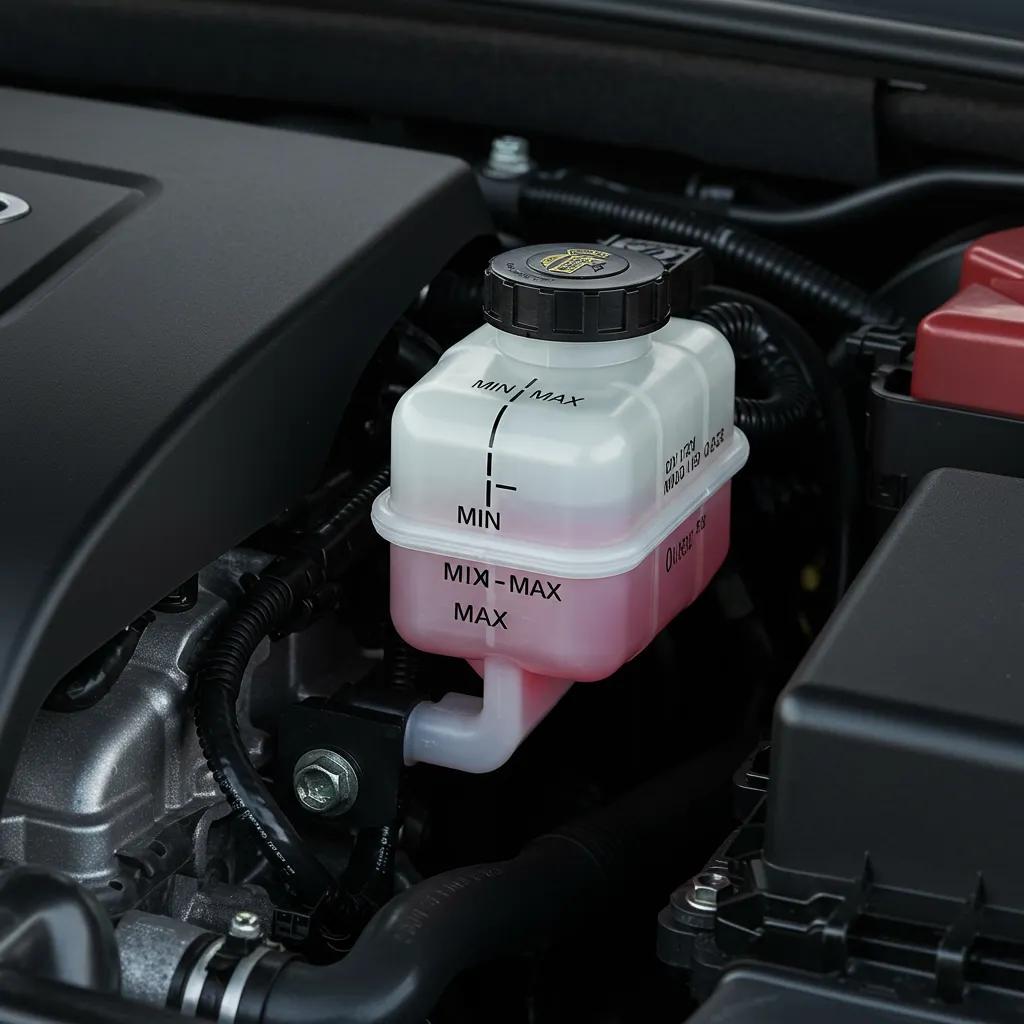
Locating the brake fluid reservoir is the very first step in performing a routine inspection. You’ll typically find it mounted on or very close to the master cylinder, usually situated towards the rear of the engine bay, on the side closest to the driver. Most reservoirs are made of translucent plastic, making it easy to see the fluid level, and they feature clearly marked MIN and MAX lines, allowing for quick visual checks without even needing to open the cap. Knowing exactly where to look and what to look for significantly speeds up the inspection process and helps prevent accidental contamination of other vital engine components.
How Do You Go About Locating the Brake Fluid Reservoir in Your Car’s Engine Bay?
To find the reservoir, simply open your car’s bonnet and direct your attention to the firewall area, which is the bulkhead separating the engine from the passenger cabin, generally opposite the engine’s accessory belts. Look for a small, often rectangular, plastic reservoir that’s directly attached to the master cylinder. It’s frequently labelled “Brake.” On many vehicles, especially those common in the UK, it’s positioned just below the windscreen cowl. If other engine components or covers obscure your view, you might need to gently shift some hoses aside or remove minimal trim pieces to get a clear line of sight.
What Are the Distinct Visual Features of the Brake Fluid Reservoir?
The brake fluid reservoir has several key features that make it easy to identify:
- It’s usually made of a translucent plastic so you can easily see the fluid level inside.
- You’ll find bold MIN and MAX markings moulded directly onto its sides.
- It has a cap that either screws on or snaps shut, sometimes secured with a tamper-evident seal.
- Some newer vehicles might have an integrated electrical connector for a fluid level sensor.
These design elements are there to ensure you can quickly and accurately assess the fluid level and its condition before you even think about opening the cap.
How Can Your Car’s Owner’s Manual Assist You in Locating the Reservoir?
Your car’s owner’s manual is an invaluable resource. It contains model-specific diagrams and detailed instructions, including the precise location of the brake fluid reservoir, the exact type of fluid recommended by the manufacturer, and their suggested replacement intervals. It might also outline the correct procedures for safely opening the reservoir and checking any associated sensors. Consulting this manual eliminates any guesswork and ensures your inspection aligns perfectly with the manufacturer’s guidelines.
What Are the Step-by-Step Instructions for Checking Your Car’s Brake Fluid Level?
Following a systematic procedure is key to ensuring a safe and accurate brake fluid check. Start with preparing your vehicle, then move on to the visual inspection, assess the fluid’s clarity, and finally, take all necessary safety precautions to prevent contamination or spills.
How Should You Prepare Your Car Before You Check the Brake Fluid?
Before you begin your inspection, make sure your vehicle is parked on a perfectly level surface and that the handbrake is fully engaged. Turn off the engine and allow the braking system to cool down for at least 30 minutes, especially if you’ve been driving heavily. It’s a good idea to wear nitrile gloves and have a clean, lint-free rag or cloth readily available. Use this to wipe around the reservoir cap before opening it, preventing any dust or debris from falling into the fluid.
What Is the Correct Process for Visually Inspecting the Fluid Level Against the MIN and MAX Lines?
- Carefully wipe away any dust or oil from the outside of the reservoir so you can clearly see the MIN and MAX markings.
- Without opening the cap, check that the fluid level is sitting comfortably between the MIN and MAX indicators.
- If the fluid level is below the MIN mark, make a note of how much you think it needs and get ready to top it up with the correct type of DOT fluid.
Following these simple steps will immediately tell you if topping up is necessary and helps you avoid unnecessarily removing the reservoir cap.
How Do You Assess the Colour and Clarity of Brake Fluid During Your Inspection?
A quick visual check of the brake fluid’s colour can offer valuable clues about its condition and potential contamination:
| Fluid Appearance | Likely Condition | Implication for Safety |
|---|---|---|
| Pale amber | New or healthy fluid | Optimal performance expected |
| Dark brown | Oxidised or old fluid | Reduced boiling point, potential performance issues |
| Opaque black | Significantly contaminated with debris | Requires immediate replacement |
Observing the fluid’s clarity can warn you of degradation or the presence of foreign particles, prompting you to take timely maintenance actions to ensure your brakes remain reliable.
What Safety Precautions Should You Adhere to When Handling Brake Fluid?
When you’re working with brake fluid, always remember to:
- Avoid any contact with painted surfaces on your car, as brake fluid can quickly damage paintwork.
- Never inhale the vapours; always work in a well-ventilated area.
- Keep the fluid in its original, sealed container until you need it to prevent moisture absorption.
- Dispose of any used or old fluid responsibly, following your local environmental regulations.
Taking these precautions not only protects your vehicle’s components and your own health but also helps maintain the integrity of the brake fluid itself.
What Are the Common Signs and Symptoms Indicating Low or Contaminated Brake Fluid?
Being able to spot the early warning signs of inadequate or degraded brake fluid can be the difference between preventing a brake failure and facing costly repairs. Familiarise yourself with changes in pedal feel, dashboard warning lights, and any unusual sensations you experience while driving that might point to fluid issues.
How Can You Recognise a Spongy Brake Pedal or the Illumination of the Brake Warning Light?
A brake pedal that feels spongy or soft when you press it is often a clear indication that there’s air trapped within the braking system or that the fluid level is critically low. This is because compressible air cushions the hydraulic force. Simultaneously, many vehicles are equipped with a brake warning light on the dashboard that illuminates when the fluid level in the reservoir drops below a safe threshold. These immediate signals should prompt you to perform an urgent fluid level check before you continue driving.
What Other Symptoms Might Indicate Low Brake Fluid, Such as Vibrations or Increased Stopping Distance?
Low or contaminated brake fluid can manifest in several other ways, potentially leading to:
- Noticeable pulsations or vibrations felt through the brake pedal, especially when you’re braking.
- Significantly longer stopping distances, whether you’re driving on wet or dry roads.
- Intermittent activation of the Anti-lock Braking System (ABS) that seems unusual, often due to inconsistent fluid pressure.
Experiencing any of these symptoms can seriously undermine your confidence while driving and strongly suggests the need for an immediate brake fluid inspection.
How Does Contamination Within Brake Fluid Negatively Affect Braking Performance?
When brake fluid becomes contaminated, its viscosity can increase, and more critically, its boiling point is significantly lowered. This can lead to a dangerous phenomenon known as vapour lock, particularly under heavy braking conditions. Moisture present in the brake lines can also accelerate corrosion of metal components, potentially causing leaks or leading to seal failures. Addressing contamination through a professional fluid flush is essential to restore full hydraulic efficiency and extend the lifespan of your braking system components.
When and How Should You Safely Top Up Your Car’s Brake Fluid?
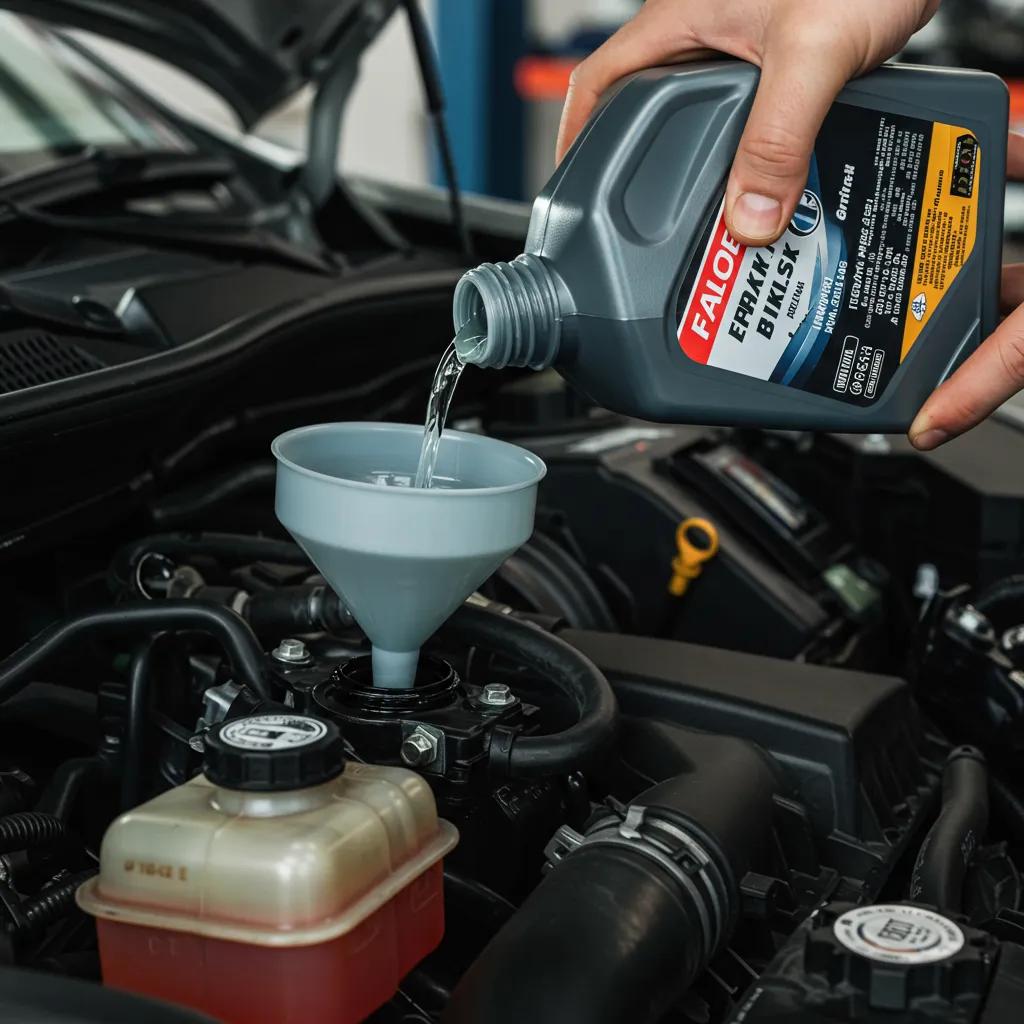
Topping up your brake fluid is a straightforward way to ensure the proper level is maintained, but it must be done with precision to avoid causing any damage. How often you need to do this can vary depending on how much you use your vehicle, the climate you drive in, and the type of fluid you use. The method itself demands absolute cleanliness and the use of the correct fluid type.
How Do You Select the Correct Type of Brake Fluid for Topping Up?
It is absolutely essential that you always use the specific type of brake fluid recommended in your car’s owner’s manual. Mixing different DOT grades can potentially damage the seals within your braking system and will likely lower the fluid’s boiling point. While glycol-based fluids (DOT 3, 4, and 5.1) share similar chemical properties and can often be mixed, the silicone-based DOT 5 fluid must never be mixed with any other type. Choosing the right fluid guarantees compatibility and ensures consistent, reliable performance from your braking system.
What Is the Step-by-Step Procedure for Topping Up Brake Fluid Without Causing Damage?
- Thoroughly clean the reservoir cap and the surrounding area with a lint-free cloth to remove any dirt or contaminants.
- Carefully unscrew or unclip the cap, making sure not to tilt the reservoir, which could cause fluid to spill.
- Slowly add the new brake fluid, pausing frequently to check the level and stopping precisely at the MAX line to prevent overfilling.
- Securely replace the cap and immediately wipe away any drips or spills that may have occurred.
Strictly adhering to these instructions will help prevent any fluid from spilling onto painted surfaces or rubber components, thereby preserving the integrity of your braking system.
What Precautions Should You Take to Prevent Brake Fluid Spillage and Contamination?
To minimise the risks associated with handling brake fluid, it’s wise to:
- Use a funnel designed for brake fluid to ensure precise pouring and reduce the chance of spills.
- Keep the original brake fluid in its sealed container until the moment you need to use it.
- Always wear protective gloves and safety eyewear when handling the fluid.
- Promptly clean up any accidental spills on your car’s bodywork without delay.
Implementing these measures helps protect both your vehicle’s appearance and the environment, while ensuring the fluid remains uncontaminated.
When Should You Consider Replacing Your Brake Fluid and Opting for Professional Brake Services?
Regularly replacing your brake fluid is essential for maintaining its boiling point and preventing moisture-induced corrosion within the braking system. While you can handle minor top-ups yourself, a complete fluid change performed by a qualified technician ensures a thorough and professional maintenance of the entire system.
What Are the Recommended Intervals for Changing Brake Fluid, and Why Are They Important?
Most vehicle manufacturers recommend a complete brake fluid replacement every two years or approximately 24,000 miles. Over this period, especially with glycol-based fluids, it’s common for them to absorb as much as 3% moisture. This absorption significantly reduces the wet boiling point by over 25%, increasing the risk of vapour lock during demanding braking. Performing a timely fluid replacement is crucial for restoring the fluid’s thermal stability and extending the lifespan of critical braking system components.
What Signs Might Indicate That an Earlier Brake Fluid Replacement Is Necessary?
If you notice any of the following issues, it’s advisable to schedule an immediate brake fluid change:
- The fluid appears dark, murky, or even opaque when you inspect it.
- You feel brake pedal pulsation even during normal deceleration.
- Visible signs of corrosion are present around the reservoir cap or other fittings.
These indicators strongly suggest accelerated degradation or contamination within your braking system.
What Are the Advantages of a Professional Brake Fluid Flush and Inspection?
A professional flush carried out by the trained technicians at Blackstone71 effectively removes all the old fluid, along with any accumulated moisture and contaminants. This process restores the fluid’s maximum boiling point and ensures optimal hydraulic efficiency. When combined with a comprehensive brake system inspection – which includes checking the pads, discs, and lines – this service provides invaluable peace of mind and guarantees reliable stopping performance in all driving conditions.
How Can You Diagnose and Effectively Address Common Brake Fluid Problems?
Identifying and rectifying issues related to brake fluid early on is vital for maintaining the reliability of your braking system. Whether it’s minor leaks or trapped air, understanding the potential solutions will help you ensure safe stopping distances.
How Do You Go About Identifying and Fixing Brake Fluid Leaks?
Brake fluid leaks most commonly occur at the caliper seals, wheel cylinders, or hose connections. You should look for any wet spots or fluid trails near the wheels or underneath the master cylinder. Often, simply tightening loose fittings, replacing worn or damaged hoses, or renewing faulty seals can effectively stop these leaks. After any repair work, it’s essential to bleed the braking system thoroughly to remove any trapped air and restore a firm brake pedal feel.
What Are the Recommended Solutions for Contaminated Brake Fluid and Air in the Brake Lines?
If your brake fluid is contaminated, the only effective solution is a complete fluid flush. This involves draining all the old fluid, refilling the system with fresh fluid of the correct type, and then bleeding each brake circuit meticulously until clear fluid emerges without any air bubbles. If you suspect air has entered the system, thorough bleeding is required, typically starting with the wheel furthest from the master cylinder and working your way closer. Proper bleeding is crucial for restoring uninterrupted hydraulic pressure throughout the system.
When Does It Become Necessary to Seek Professional Assistance for Brake Fluid Issues?
If you’ve attempted basic tightening of fittings and leaks persist, or if the process of bleeding the system fails to restore a firm pedal feel, it’s time to consult a qualified technician. More complex braking systems, such as those incorporating ABS or other electronic controls, require specialised tools and expertise for diagnosis and repair. Seeking professional intervention ensures that repairs are not only safe and effective but also long-lasting, preventing the likelihood of repeat failures.
Where Can You Book a Professional Brake Fluid Check and Comprehensive Brake System Service?
For a thorough brake fluid check, a detailed system inspection, or a complete fluid change, you can rely on the expertise of the specialists at Blackstone71 in Columbus, Ohio. Our team of certified technicians conducts meticulous reservoir level checks, performs fluid analysis, and carries out complete hydraulic system diagnostics. We exclusively use OEM-approved brake fluids and strictly adhere to manufacturer-specified procedures to guarantee optimal safety and performance for your vehicle.
What Range of Services Do Automotive Professionals Typically Offer for Brake Fluid and Brake System Maintenance?
Reputable automotive workshops provide a comprehensive suite of services, including:
- Complete brake fluid flush and replacement services.
- In-depth brake system inspections, covering all critical components like pads, discs, and calipers.
- Expert leak detection and professional hose replacement.
- Thorough hydraulic line bleeding and advanced ABS system diagnostics.
These professional services ensure that every part of your braking system functions in perfect harmony, delivering predictable and reliable stopping power when you need it most.
How Can You Easily Contact and Schedule a Brake Fluid Inspection with a Trusted Garage?
To arrange a professional brake fluid check or a complete brake system service, simply call or visit your nearest Blackstone71 branch. Our friendly and knowledgeable service advisors are ready to assist you in finding an appointment time that suits your schedule. They can also recommend any additional maintenance services that might be beneficial based on the findings of your inspection. Experience the peace of mind that comes from entrusting your vehicle’s brake care to the experts.
Consistently maintaining the correct brake fluid level and ensuring its optimal condition are fundamental to safeguarding your stopping power, extending the life of your braking components, and upholding your vehicle’s safety under all driving circumstances. Regular checks allow you to identify low or degraded fluid early, while professional services guarantee the comprehensive health of your entire braking system. By following the guidance in this guide, you’ll become proficient in brake fluid inspection techniques – and you’ll know exactly when seeking expert assistance from Blackstone71 is the smartest choice for dependable, worry-free braking.