
Unravelling the Mystery of Warped Brake Rotors: Causes, Signs, and Prevention
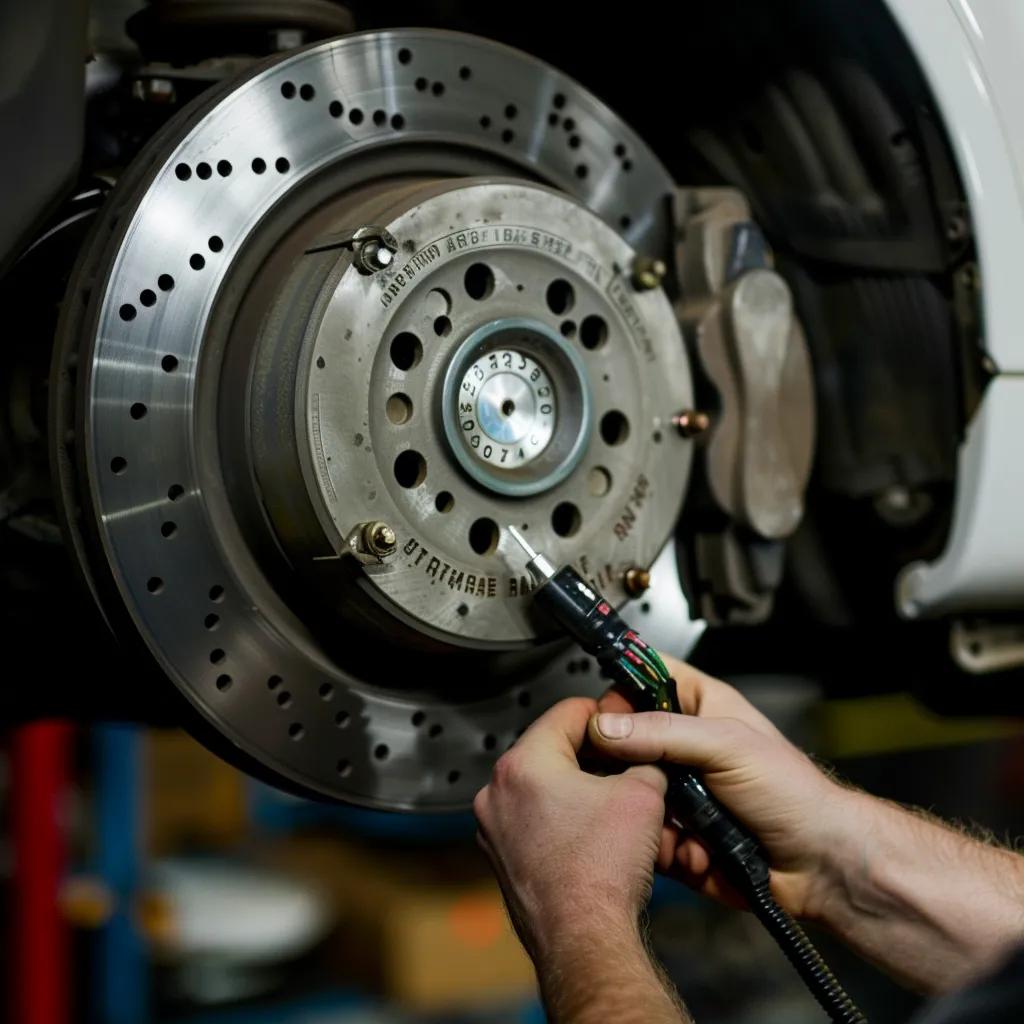
Contrary to popular belief, brake rotors rarely warp. What drivers often perceive as warping is typically caused by disc thickness variation (DTV), lateral runout, or material transfer on the rotor surface, leading to pulsation, vibration, or judder. Understanding the myth of warped rotors provides a clearer picture of how heat, friction, and installation factors contribute to these braking issues. This guide delves into the signs of rotor problems, the primary mechanical and behavioural causes, effective maintenance strategies, criteria for repair versus replacement, UK MOT regulations, and the technical differences between DTV and runout. By mastering these insights, vehicle owners can prevent costly brake failures, enhance stopping performance, and extend rotor lifespan. Automotive repair specialists at www.blackstone71.com in Columbus, Ohio, reinforce these best practices through professional inspections and maintenance services. Whether you drive a daily commuter or a performance car, grasping these rotor dynamics will equip you to maintain safe braking in all conditions.
The Real Story Behind Brake Rotors: Debunking the Warped Rotor Myth
Genuine rotor warping is exceptionally uncommon; most brake judder originates from disc thickness variation (DTV) or lateral runout. These issues, stemming from uneven wear or alignment errors, create irregular rotor surfaces that compromise braking smoothness and pedal feel. Dispelling this misconception clarifies how friction material deposits and hub misalignment influence pulsation, allowing for precise maintenance decisions. Awareness of these underlying problems helps avoid unnecessary machining or replacement, saving both time and money. Clarifying the actual phenomena also guides effective inspection techniques and cost-efficient repairs.
Why Don’t Brake Rotors Typically Warp?
Brake rotors are manufactured to stringent tolerances, making true metal distortion under normal operating stress a rarity. Thermal expansion during heavy braking is uniform across the rotor face, allowing the disc to return to its original shape upon cooling within design parameters. Only extreme thermal shock, such as rapidly cooling a glowing rotor, can cause minor structural deformation, but such events are seldom encountered in everyday driving. Recognizing this uniform heat behaviour shifts the focus to genuine service-related wear factors.
What is Disc Thickness Variation (DTV) and How Does It Mimic Warping?
Disc thickness variation (DTV) occurs when one section of the rotor wears more rapidly than another, creating a wave-like pattern around its circumference. This uneven thickness results in alternating zones of higher and lower friction, leading to pedal pulsation and steering vibration that drivers often mistake for warping. Measuring DTV with a micrometer reveals slight differences—often mere hundredths of a millimetre—that translate into perceptible judder. Addressing DTV through resurfacing or pad replacement restores a consistent contact surface and smooth braking.
Measurement of Disc Thickness Variation and its Effect on Vehicle Roughness
The findings of this investigation demonstrate the utility of the presented measurement techniques, enabling the quantification of disc thickness variation (DTV) and its influence on overall vehicle roughness. This research involved the artificial induction of wear on the discs, simulating real-world scenarios and yielding significant insights into the correlation between DTV and vehicle vibration.
Disc Thickness Variation (DTV) Operational Measurement and Influence on the Overall Vehicle Roughness, 2019
How Does Lateral Runout Cause Brake Rotor Vibration?
Lateral runout refers to the side-to-side wobble of a mounted rotor, measured at the brake face relative to the hub’s rotational axis. Even a 0.1 mm deviation can produce a rhythmic thump or oscillation in the pedal as the rotor passes the pads. This misalignment often stems from uneven lug nut torque, hub corrosion, or worn wheel bearings. Correcting runout involves cleaning mating surfaces, torquing fasteners evenly, and using a dial indicator to confirm alignment within factory specifications.
Brake Disc Run-out Measurement: Dial Gauge versus Roller Tester
Measuring the run-out of brake disc friction surfaces using a dial gauge necessitates more extensive preparatory operations, but it yields highly accurate results. This paper aims to analyse the correlation between values measured by a dial gauge and those obtained using a brake roller tester.
Comparative study on the lateral run-out of friction surfaces measurement of brake discs using a brake roller tester and a dial gauge, M Toma, 2017
How Do Material Transfer and Uneven Pad Deposits Lead to Rotor Issues?
Material transfer occurs when brake pad friction compounds adhere to the rotor surface under excessive heat, leaving behind patches of composite residue. These deposits build up unevenly and harden into thin “islands,” which can resemble the irregular surface of a warped disc. When the brake pad encounters these hardened spots, it triggers localized pulsation and noise. Proper bedding-in procedures, avoiding prolonged heavy braking, and selecting compatible pad materials help prevent this unwanted material migration.
Key Causes of Brake Judder and Perceived Rotor Warping
Brake judder and the sensation of warped rotors are typically caused by mechanical stresses, installation errors, and driving habits that lead to uneven rotor surfaces or misalignment within the braking system. Excessive heat from aggressive stops, incorrect lug nut torque, worn components, and harsh driving practices all play interconnected roles. Understanding these root causes empowers drivers and technicians to accurately diagnose issues and implement targeted corrective actions.
How Do Excessive Heat and Friction Damage Brake Rotors?
During repeated heavy braking, such as descending a steep hill or during performance driving, rotors can reach temperatures exceeding 400 °C, creating thermal gradients between the centre and the outer edge. These gradients accelerate uneven pad wear and promote material transfer, directly leading to disc thickness variation. High-heat exposure also alters the rotor’s microstructure, reducing its hardness and making it more prone to scoring or cracking. Managing heat through proper technique and quality components preserves rotor integrity and consistent friction performance.
How Does Improper Lug Nut Torque Cause Rotor Alignment Issues and Runout?
Incorrect wheel installation torque causes the rotor to sit unevenly against the hub flange, resulting in lateral runout with each wheel rotation. Overtightening can slightly distort the rotor, while undertightening allows for micro-movements under braking forces. Both scenarios create a wobble that translates into pedal pulsation or steering shake. Adhering to manufacturer-specified torque sequences and values ensures the rotor is seated flush against the hub, eliminating alignment-induced vibrations.
What Role Do Worn or Faulty Brake Components Play in Rotor Issues?
Sticky or seized caliper pistons, unevenly worn brake pads, and failing wheel bearings can create asymmetric pressure on the rotor surface. A binding caliper applies constant localized force, intensifying wear and heat build-up in that specific area. Thin pads lack sufficient friction material to absorb heat, transferring thermal stress directly to the rotor. Meanwhile, worn bearings introduce axial play that can shift the rotor under load, generating lateral runout. Regular inspection and replacement of these components maintain balanced braking forces.
How Do Aggressive Driving Habits Contribute to Brake Judder and Rotor Damage?
Frequent high-speed stops, prolonged braking on descents, or repeated emergency braking sessions rapidly and unevenly raise rotor temperatures. This aggressive driving increases the risk of thermal cracks, pad glazing, and material transfer, all of which contribute to DTV. Allowing cooling periods between heavy brake applications promotes uniform temperature distribution. Adopting smoother deceleration techniques reduces friction spikes and extends the life of both pads and rotors.
Common Signs of Rotor Issues and Brake Pulsation
Brake judder symptoms manifest as tactile and auditory cues that indicate rotor surface irregularities or misalignment under load. Detecting these early prevents progression to severe wear or component failure. Symptoms often become more pronounced with increased vehicle speed and braking intensity, making prompt recognition crucial for safe vehicle control.
When drivers first notice brake pulsation or steering vibration, it typically signals a regular cycle of rotor high spots making contact with the pads. Grinding or squealing noises often accompany these vibrations, as hardened material deposits rub against fresh pad surfaces. Longer stopping distances and inconsistent pedal feel further confirm underlying rotor anomalies. Differentiating between DTV-induced judder and runout-related vibration ensures the correct solution is applied, avoiding unnecessary rotor replacement.
Brake Judder: Causes and Analysis
Judder (shudder or roughness) caused by geometric variation of the brake rotor, and thermal judder caused by thermal effects.
Brake judder analysis: case studies, 1997
Here’s a comparison of common symptoms and their likely mechanical causes:
| Symptom | Likely Cause | Effect on Braking |
|---|---|---|
| Pulsating brake pedal | Disc thickness variation (DTV) | Fluctuating deceleration |
| Steering wheel vibration | Lateral runout | Shaking steering feedback |
| Grinding or rough noise | Material transfer islands | Uneven pad-to-rotor contact |
| Increased stopping distance | Overheated rotors | Reduced friction efficiency |
How to Distinguish Symptoms Caused by DTV versus Lateral Runout?
DTV-related judder often becomes more noticeable at low to moderate speeds and is felt through the brake pedal, whereas lateral runout vibration typically transmits through the steering wheel at higher speeds. Measuring rotor thickness variation with a micrometer identifies DTV, while a dial indicator is used to check for runout. Addressing each issue requires distinct solutions—resurfacing for DTV and hub alignment for runout—highlighting the importance of accurate diagnosis before proceeding.
How to Prevent Rotor Issues: Best Practices for Brake Maintenance
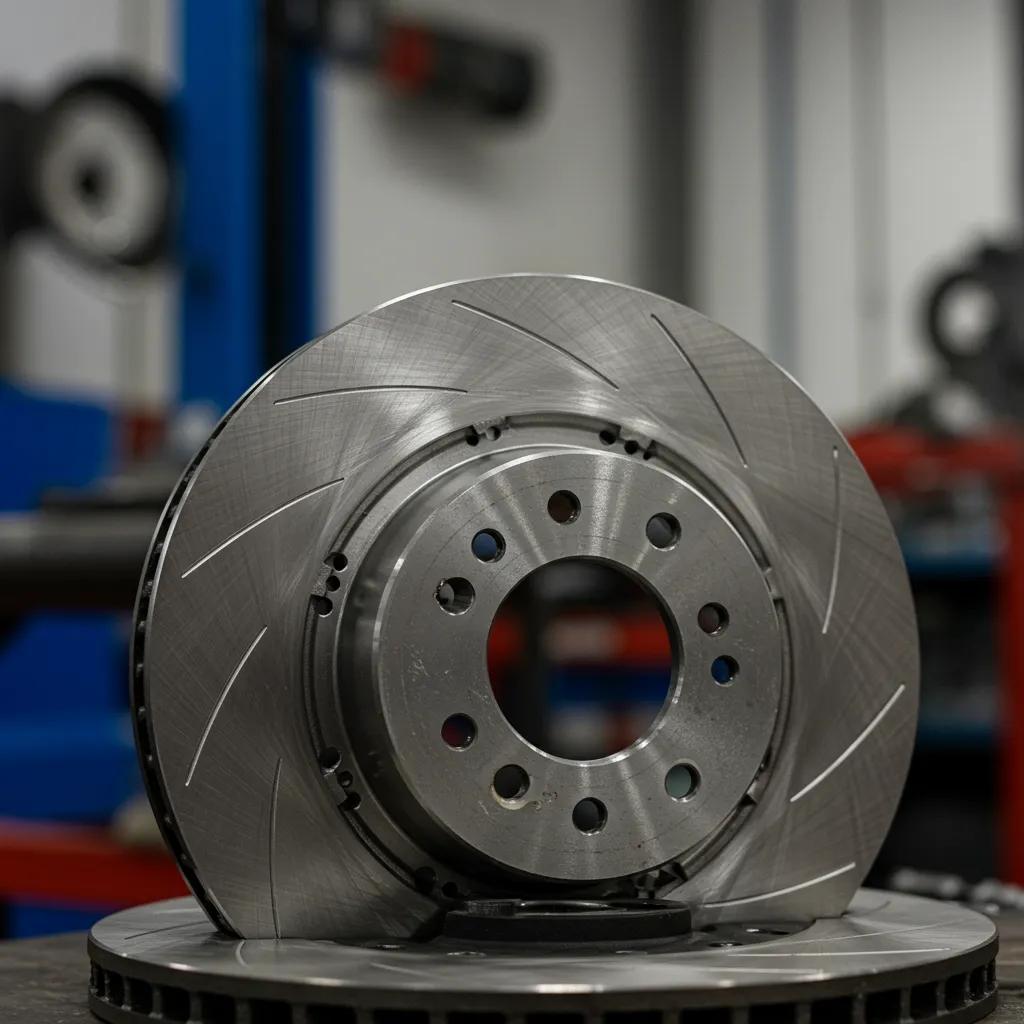
Preventing rotor irregularities involves careful component break-in, correct installation torque, regular inspections, and moderate driving techniques. Consistent maintenance not only averts judder but also extends the service life of pads and discs, ensuring reliable stopping power.
- Properly bed-in new brake pads and rotors according to manufacturer guidelines to ensure uniform friction material transfer and minimize hotspot formation.
- Torque lug nuts to factory specifications in a star pattern to seat the rotor flush against the hub, eliminating the risk of runout.
- Inspect brake components every 12,000 miles or during routine oil changes to detect pad wear, caliper condition, and rotor surface anomalies.
- Avoid prolonged heavy braking or resting your foot on the brake pedal; allow brakes to cool between aggressive stops to maintain even temperature distribution.
- Select high-quality rotors and friction materials that match your driving style and vehicle requirements to resist thermal distortion and material transfer.
Why is Correct Lug Nut Torque Crucial for Preventing Rotor Runout?
Applying lug nuts in a criss-cross sequence at the specified torque value secures the rotor evenly to the hub face, preventing slight tilting that leads to runout. When torque values vary significantly between bolts, the rotor may misalign under rotational stress, causing noticeable vibration. Using a calibrated torque wrench and following the vehicle manufacturer’s specified values ensures uniform clamping force and consistent rotor alignment.
How Do Regular Brake Inspections and Maintenance Reduce Rotor Problems?
Scheduled inspections reveal early signs of pad glazing, uneven wear, caliper binding, or hub corrosion that contribute to rotor irregularities. Cleaning mating surfaces and replacing worn components before they damage the rotor prevents DTV and runout issues. Periodic resurfacing of rotors within service limits restores a flat contact surface and prolongs component life. Consistent maintenance preserves optimal friction characteristics and avoids costly disc replacement.
What Driving Habits Help Minimize Brake Overheating and Material Transfer?
Gradual deceleration and early downshifting reduce reliance on the brakes for speed control, preventing excessive heat build-up. Releasing the brake pedal to allow airflow over the rotors during long descents aids cooling. Limiting repetitive high-speed stops and avoiding track-style braking in everyday driving maintain stable pad-to-rotor interface conditions. These disciplined habits prevent hotspots and minimize the risk of material transfer that creates surface irregularities.
How Does Choosing Quality Brake Components Affect Rotor Longevity?
Premium rotors made from high-grade cast iron alloys resist thermal cracking and offer stable wear rates under various loads. Brake pads formulated with compatible friction compounds reduce the likelihood of uneven pad deposits on the rotor surface. Calipers with corrosion-resistant slides and seals ensure uniform pad retraction and contact pressure. Selecting components from reputable manufacturers enhances system reliability and maintains smooth braking over extended service intervals.
Repair or Replace Warped Brake Rotors: Understanding Your Options
The decision between resurfacing and replacement depends on rotor thickness, DTV severity, and overall component condition. Resurfacing restores a flat surface when the remaining thickness exceeds minimum service limits, while replacement is necessary once thickness or structural integrity falls below safe thresholds. Evaluating each factor prevents unnecessary expenses and ensures safe braking performance.
How Do You Know If Rotor Resurfacing is Possible or Replacement is Needed?
Measure the rotor’s thickness at multiple points and compare it against the manufacturer’s minimum thickness specification. If the DTV differential can be corrected without falling below this limit, machining or skimming the disc surface is a viable option. Severe thermal cracks, deep scoring, or a thickness below the minimum mandate full rotor replacement for safety. This objective assessment balances cost savings against functional integrity.
What is the Role of Caliper Inspection in Brake Rotor Repair?
Caliper pistons and sliders must retract freely and apply uniform pressure to ensure consistent pad-to-rotor contact. A binding or leaking caliper can quickly recreate DTV symptoms after resurfacing, negating the repair. Inspecting and rebuilding or replacing faulty calipers alongside rotor work preserves the benefits of machining and prevents repeat rotor distortion.
How Do Disc Thickness Variation and Lateral Runout Influence Repair Decisions?
DTV exceeding 0.05 mm typically requires resurfacing or replacement, while runout beyond 0.1 mm necessitates hub cleaning, shimming, or rotor replacement. A combined assessment ensures both surface flatness and alignment are corrected. Ignoring one factor while addressing the other risks persistent judder and additional service visits, so a holistic diagnosis optimizes repair outcomes.
What Are the Typical Costs and Timelines for Brake Rotor Repair or Replacement in the UK?
In the UK, rotor resurfacing typically costs between £30 and £50 per disc, with a turnaround time of 1–2 hours for a standard front or rear axle job. Full rotor replacement can range from £80 to £150 per disc, depending on part quality, with a labour time of 1.5–2 hours. Including pad replacement and caliper inspection, a complete brake service often fits within a half-day workshop booking and a budget of £200–£300 for most family cars.
How UK Regulations and MOT Requirements Address Rotor Issues
UK MOT regulations require that brake discs must be free from cracks, ridges, or significant surface irregularities that compromise braking efficiency. MOT failure criteria include uneven braking, excessive runout, and disc surface defects noticeable during a road test. Understanding these statutory standards guides both preventive maintenance and repair compliance.
What MOT Standards Pertain to Brake Rotor Condition and Defects?
The MOT guidelines stipulate that brake rotors must not exhibit excessive runout, cracks extending into the disc faces, or thickness below the safe minimum. Inspectors evaluate brake performance on the test rig for balanced braking force between wheels. Any disc irregularity causing force imbalance or noise will result in a brake test failure, categorized under advisories 1 or 2.
How Common Are Brake-Related MOT Failures Due to Rotor Problems?
Brake defects account for approximately 17 percent of all MOT failures, with rotor wear, runout, and surface damage being the primary contributors. In 2019, brake defects were linked to 3,894 accidents and 15 fatalities, underscoring the safety-critical nature of diligent brake maintenance. This prevalence highlights the necessity for regular inspections and prompt remedial action.
Where Can UK Drivers Find Reliable Brake Repair Services?
Qualified mobile technicians and independent garages often offer on-site brake inspections and repairs at competitive prices, alongside main dealer workshops. Look for businesses registered with recognized bodies such as the Institute of the Motor Industry or those holding local trading standards accreditation. Early engagement with trusted service providers minimizes repair disruption and ensures MOT-compliant outcomes.
How Do Rising UK Repair Costs Influence Brake Maintenance Decisions?
With average repair costs for the UK’s most popular used cars increasing by 20 percent in 2024, drivers are increasingly opting for minor resurfacing over full replacement when it is safe to do so. Budget constraints encourage proactive maintenance to avoid more significant repairs, while cost-effective mobile services are gaining popularity. Balancing part quality with workshop efficiency delivers optimal long-term value.
Technical Explanations for Disc Thickness Variation and Lateral Runout
Disc thickness variation and lateral runout stem from distinct mechanical phenomena that impact rotor geometry and braking dynamics. Understanding the measurement techniques, contributing factors, and material science aspects informs precise diagnostic and corrective procedures.
How is Disc Thickness Variation Measured, and What Causes It?
Technicians use a micrometer at multiple points around the rotor edge—typically at least six evenly spaced locations—to record thickness readings. A difference greater than 0.05 mm indicates actionable DTV. Contributing causes include uneven pad wear, material transfer hotspots, and minor hub corrosion that can tilt the rotor. These factors combine to create high spots that induce judder under braking loads.
What Tools and Methods Detect Lateral Runout in Brake Rotors?
A dial indicator mounted on a fixed bracket against the rotor face measures lateral movement as the wheel spins. Readings exceeding 0.1 mm necessitate corrective action. Sources of runout include uneven hub mounting surfaces, bent sleeves, or warped hub flanges. Cleaning corrosion and debris, shimming between the hub and rotor, or replacing damaged hubs restores alignment within tolerance.
| Inspection Method | Measurement Tool | Acceptable Tolerance |
|---|---|---|
| Disc thickness variation | Micrometer | ≤ 0.05 mm |
| Lateral runout | Dial indicator | ≤ 0.10 mm |
| Surface cracking check | Visual inspection under light | No visible cracks |
How Do Thermal Shock and Metallurgy Affect Rotor Warping and Wear?
Repeated rapid heating and cooling cycles induce microstructural changes in cast iron, such as grain boundary weakening and strain accumulation. Poor alloy formulations or high carbon content exacerbate crack propagation and surface spalling. Rotors manufactured to tighter metallurgical specifications better resist thermal shock, preserving flatness and structural integrity during extreme braking events.
What is the Relationship Between Material Transfer and Brake Pad Composition?
Pad formulations combine metallic, ceramic, or organic compounds to balance friction, wear, and noise. High-metallic pads can transfer more residue onto the rotor at elevated temperatures, increasing the risk of DTV. Organic-compound pads tend to leave lighter deposits that wear off more uniformly. Matching pad chemistry to rotor metallurgy and driving demands minimizes material transfer and extends rotor service life.
Properly maintaining brake rotors requires a thorough understanding of these technical factors, from measurement protocols to material science, ensuring accurate diagnosis and effective long-term solutions.
Safe braking depends on the synergy between precise inspection, correct installation practices, and informed component selection. By debunking the warped rotor myth and addressing the true causes—disc thickness variation, lateral runout, heat-related wear, and installation errors—vehicle owners can implement targeted prevention, repair, and replacement strategies that uphold performance and compliance. Armed with this knowledge, drivers can maintain optimal braking under all conditions while avoiding unnecessary costs and ensuring MOT conformity. For expert brake inspections and professional maintenance guidance, consult the automotive service specialists at www.blackstone71.com.