
Keeping Your Steering Smooth: A Simple Guide to Checking Your Power Steering Fluid
Your power steering fluid is the unsung hero of effortless steering, keeping your ride smooth, responsive, and reliable. Many drivers don’t give it a second thought until something goes wrong. Regularly checking this vital hydraulic fluid can save you from costly pump repairs, make steering a breeze, and extend the life of your entire steering system. In this guide, we’ll walk you through why fluid levels are so important, how to spot the warning signs, where to find the reservoir, a straightforward five-step process for checking it, how to top it up, and what to do if the levels are consistently low or the fluid looks off. You’ll also learn when it’s time to bring your car to Blackstone Complete Auto Care for our expert preventive maintenance and certified technician services. Follow these steps to keep your steering feeling great and avoid any unexpected trouble on the road.
Why Keeping an Eye on Your Power Steering Fluid Matters
Power steering fluid is a special hydraulic oil that works to reduce friction within your steering system, transferring the effort from your steering wheel to the wheels. Maintaining the correct fluid level is crucial to prevent metal parts from grinding against each other, ensure the pump stays lubricated, and keep your steering consistently responsive. For instance, if the fluid level dips even slightly below the minimum mark, it can cause air to get into the pump, leading to that annoying whining sound and potentially damaging the pump over time.
Keeping your fluid topped up also helps you catch small leaks before they escalate into bigger problems. These regular checks are part of a smart maintenance approach that focuses on fluid health to make your components last longer. Consistent inspections contribute to safer driving by ensuring your steering remains under your control, especially when you need it most on UK roads.
What Happens If Your Power Steering Fluid Is Too Low?
When your power steering fluid is low, you risk pump damage from air getting in, faster wear on steering components, and even sudden loss of steering assistance when you need it most.
| Potential Issue | What Gets Damaged | The Result |
|---|---|---|
| Air in the System (Cavitation) | The Power Steering Pump | A whining noise and steering that feels sluggish |
| Overheating | Seals and Hoses | Fluid leaks and a loss of steering pressure |
| Friction Between Metal Parts | Steering Rack and Gearbox | Steering that feels rough or jerky |
These potential failures highlight just how critical the fluid level is. Not having enough hydraulic pressure means your steering won’t perform as it should, and you could be facing some hefty repair bills.
How Does Power Steering Fluid Impact Your Car’s Steering?
Power steering fluid plays a dual role: it’s the hydraulic medium that transmits your steering commands, and it’s also a lubricant that protects the internal parts of your steering system. Clean fluid prevents internal components from degrading and seals from swelling, which is essential for maintaining consistent pressure and precise steering. When the fluid’s thickness (viscosity) is just right, your steering will feel light and predictable, no matter the temperature.
This hydraulic fluid also helps to carry away heat generated by the pump. Using the right kind of power steering fluid helps prevent the pump and hoses from overheating, reducing the chance of suddenly losing steering assistance. In today’s vehicles, ensuring fluid compatibility is key to long-term component health, making those routine checks absolutely essential.
How Often Should You Check Your Power Steering Fluid?
We recommend checking your power steering fluid level at least once a month, and it’s also a good idea to check it whenever you get your oil changed.
- Give it a quick check before any long journeys to make sure your steering is in top shape.
- Make fluid level checks a standard part of your regular car maintenance.
- Keep a closer eye on the level if you start hearing any strange noises or notice the steering feels stiffer than usual.
These regular monthly checks are a simple yet effective way to catch minor issues early, preventing them from turning into major, expensive steering system problems.
Spotting the Signs of Low Power Steering Fluid
When your power steering fluid is running low, your car will often give you clear signals that the hydraulic system is under stress. You might hear noises, feel a difference in the steering, or even see warning lights. Recognizing these signs early means you can top up the fluid or get it checked promptly, significantly reducing the risk of damaging the pump.
Hearing Whining or Groaning Sounds from Your Steering
If you hear a whining or groaning sound when you turn the steering wheel, it’s usually a sign that the pump isn’t getting enough fluid.
- This happens when the fluid level drops below where the pump draws fluid in.
- The pump’s internal parts can then suck in air, creating bubbles that cause that high-pitched whine.
- The noise often gets louder when you’re moving slowly or turning the wheel all the way in either direction.
These sounds are your car’s way of telling you there’s a fluid level issue before any real mechanical damage occurs, prompting you to check and refill the fluid.
What Does Stiff or Heavy Steering Mean?
If your steering suddenly feels much heavier or harder to turn, it indicates that the power assistance is not working correctly. Low fluid levels mean there isn’t enough hydraulic pressure to help you turn the wheel easily, so you have to use more physical effort. This symptom could also mean the fluid itself has broken down or there’s a leak in one of the high-pressure hoses. Addressing this stiffness quickly can prevent the pump from being overworked and potentially damaging the steering rack.
Can Power Steering Fluid Leaks Trigger Warning Lights or Other Problems?
Absolutely. Leaks can definitely cause steering-related warning lights to appear and reduce how well your steering assist works.
- If seals or hoses are leaking, fluid might drip onto other engine components, potentially causing belts to slip and triggering an engine warning light.
- Low hydraulic pressure can sometimes trigger a warning light for the steering system or even traction control.
- Seeing puddles of fluid under your car is a very clear sign of a leak.
Catching leaks early and fixing them stops the system from getting contaminated and prevents potential issues with electrical sensors.
Finding Your Car’s Power Steering Fluid Reservoir
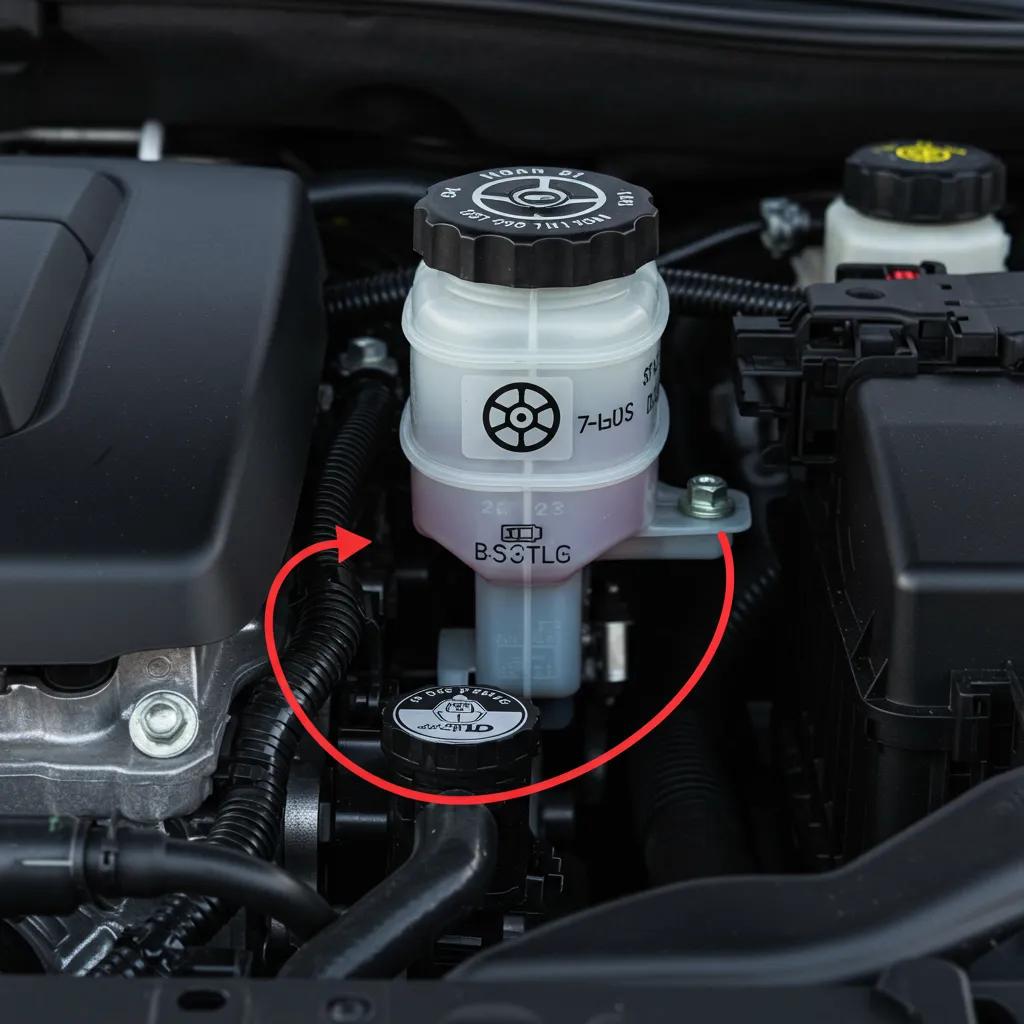
You’ll typically find the power steering reservoir as a see-through plastic container, usually located near the back of the engine bay (the firewall) or alongside the engine itself. This is where the hydraulic fluid is stored, and often, the cap has a built-in dipstick for checking the level. Knowing where this is located is the first step to accurately checking your fluid without making a mess.
How to Spot the Power Steering Reservoir in the Engine Bay
Look for a round cap that might have a steering wheel symbol on it or be clearly labelled “STEERING.” The reservoir is usually positioned higher up than the pump to help the fluid flow down easily. Because the sides are often clear, you can usually see the fluid level and its colour without even taking the cap off.
What Does the Reservoir Cap Usually Look Like?
The cap often has a small steering wheel icon and might say something like “Fluid Only.” Underneath, you’ll likely find a dipstick with markings for “MIN” and “MAX.” Sometimes, the caps are colour-coded (like red or yellow) to help you easily distinguish it from the brake fluid or coolant reservoirs.
Using Your Owner’s Manual to Find the Reservoir
Your car’s owner’s manual is a great resource. It usually includes a diagram of the engine bay with all the components labelled. Checking the manual will show you exactly where your specific vehicle’s reservoir is and how to read its dipstick. This helps avoid any confusion with other tanks and ensures you’re checking the right fluid.
Your Step-by-Step Guide to Checking Power Steering Fluid
This simple five-step process will help you get an accurate reading of your fluid level, preventing contamination and errors.
What You’ll Need to Check Fluid Levels
Before you start, gather these items to make sure the check is safe, clean, and efficient:
- A clean cloth that won’t leave lint behind, for wiping parts.
- A funnel, just in case you need to add more fluid.
- The correct type of power steering fluid, as specified in your owner’s manual.
- Protective gloves to keep your hands clean.
- A flashlight, especially if your engine bay is a bit dark.
Having these supplies ready will make the checking process much smoother and help avoid mixing the wrong fluids.
Step 1: Getting Your Vehicle Ready for an Accurate Check
Make sure your car is parked on a level surface and the engine is turned off. It’s best to let the engine run for a few minutes first to warm the fluid up to its normal operating temperature – this gives you the most accurate reading. Once it’s warm, turn the engine off and wait about a minute for the fluid to settle in the reservoir before you open the cap.
Step 2: Finding and Accessing the Power Steering Reservoir
Open the bonnet (hood) and locate the reservoir, which is usually near the firewall or around the belt-driven components. You might need to remove any engine covers that are in the way. Before you open the cap, give the cap and the area around it a good clean to stop any dirt from falling into the reservoir when you remove the cap.
Step 3: Keeping the Reservoir Area Clean to Prevent Contamination
Use your lint-free cloth to wipe down the cap and the opening of the reservoir. Any dirt or grit that gets into the fluid can cause wear on the seals and block the small passages within the steering system. Keeping this area clean is vital for protecting the internal parts of your steering system.
Step 4: Checking the Fluid Level with a Dipstick or Clear Reservoir
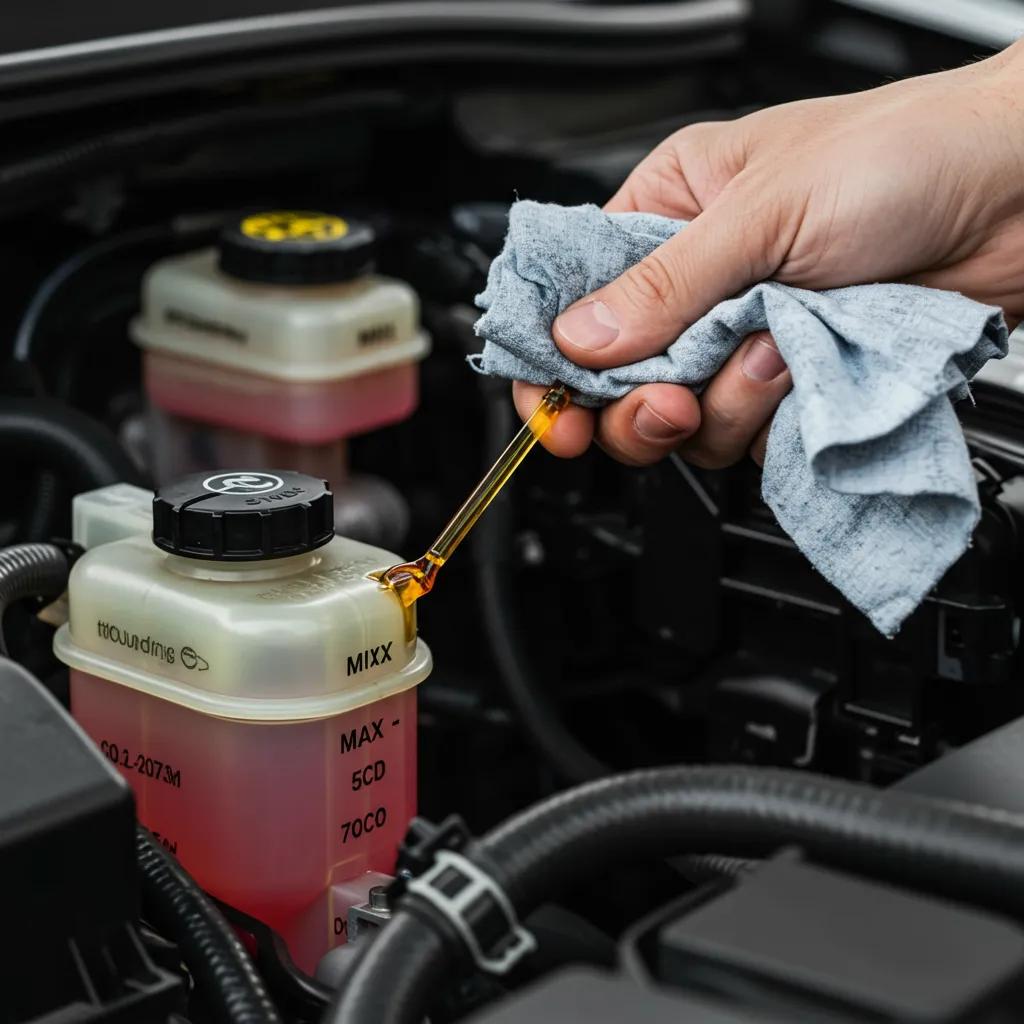
If your reservoir has a dipstick, unscrew the cap, wipe the dipstick clean, push it all the way back in, and then pull it out again to read the fluid level. If you have a clear reservoir, just look at the fluid level against the “MIN” and “MAX” markings on the side. Getting this measurement right is key to avoiding both under- and over-filling the system.
Step 5: Understanding the MIN and MAX Fluid Level Markings
| When the Engine Is | Where the Fluid Level Should Be (Cold) | Where the Fluid Level Should Be (Warm) |
|---|---|---|
| Cold (engine off) | At the MAX line | — |
| Warm (after running) | — | Between the MIN and MAX lines |
Checking against the correct marking for the fluid’s temperature helps ensure you add the right amount of fluid and don’t put too much pressure on the seals.
Topping Up Your Power Steering Fluid Safely and Correctly
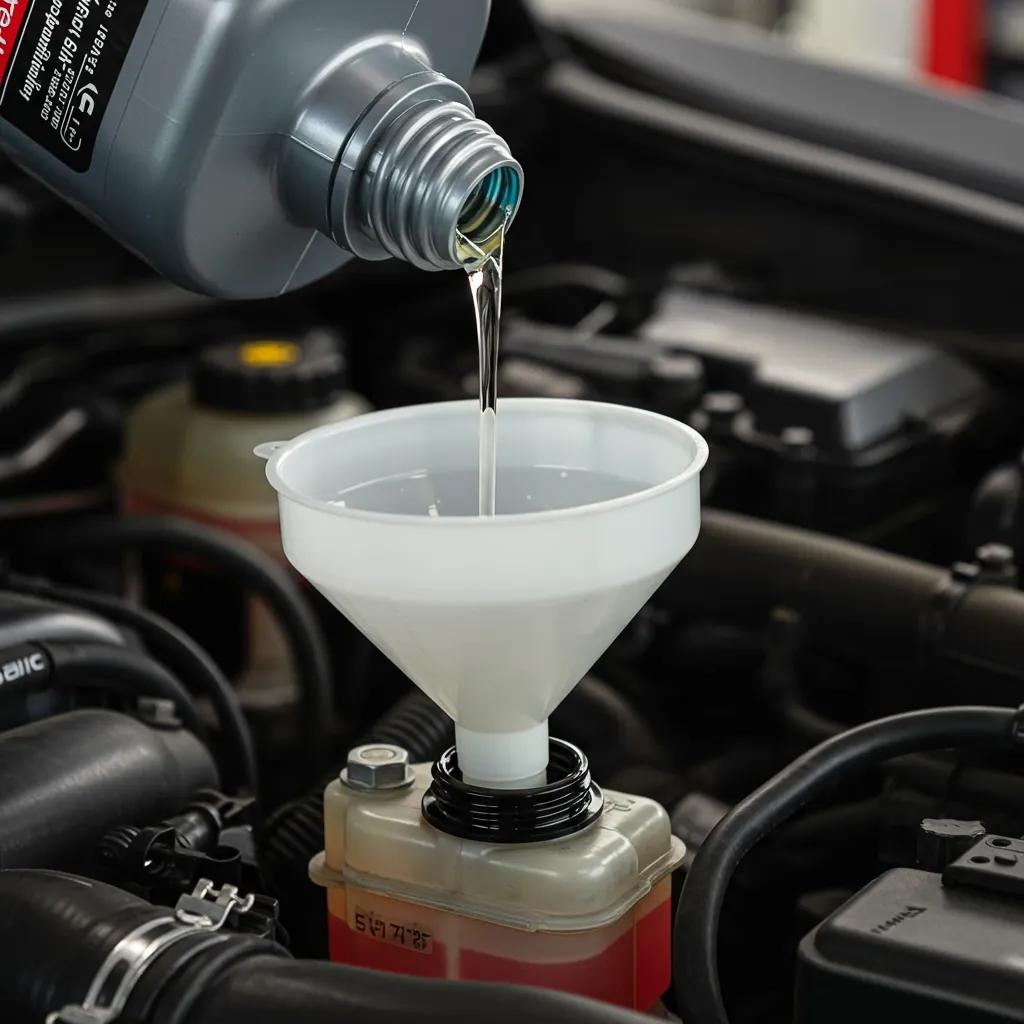
Adding fluid carefully is essential to maintain the system’s balance and prevent damage to seals or the fluid becoming foamy.
How to Find the Right Power Steering Fluid for Your Car
Always check your owner’s manual or the manufacturer’s recommendations to confirm the exact fluid specifications your car needs, such as Dexron III ATF or a specific synthetic hydraulic fluid. Using the wrong type or thickness of fluid can affect hydraulic pressure and speed up wear on components. Always choose the fluid that’s certified for your vehicle’s system.
The Best Way to Add Fluid Without Overfilling
Add fluid slowly and in small amounts using a funnel. After adding about 50 ml (roughly 2 tablespoons), wait a minute and check the level again. Keep doing this until the dipstick or the side of the reservoir shows the fluid is right at the correct mark. This gradual approach prevents you from adding too much fluid, which can cause foaming and reduce the system’s efficiency.
Rechecking the Fluid Level After Topping Up
Once you’ve replaced the cap, start the engine and slowly turn the steering wheel from one side to the other a few times. This helps to get rid of any air that might have entered the system. Then, turn the engine off, let the fluid settle for a minute, and check the level again. Make sure it’s still between the MIN and MAX marks before you close the bonnet.
What to Do If Your Power Steering Fluid Is Always Low or Looks Dirty?
If you find your fluid level is consistently dropping or the fluid looks murky, it often points to leaks or internal contamination that needs professional attention. Dark or foamy fluid can harm seals and bearings, and a constantly dropping level means there’s a leak somewhere that needs to be found and fixed.
How to Spot Power Steering Fluid Leaks and Their Common Signs
Take a look under your car and around the hose connections for any reddish or amber-coloured fluid stains.
- Check the clamps on hoses and the seals around the pump for any signs of seepage.
- Look for wet patches on the engine bay frame or floor.
- You might notice a sweet or burnt hydraulic fluid smell near the pump.
Finding leaks early helps prevent environmental contamination and keeps your steering system in good working order.
When It’s Time to Get Professional Help for Fluid Issues
Book a diagnostic check for your steering system if the fluid level keeps dropping even after you’ve topped it up, or if the fluid looks dark and gritty. Our certified technicians use specialised equipment, like pressure testers and dye tracing, to pinpoint leaks accurately. Getting professional help avoids the need for constant refills and prevents further damage to your steering components.
How Blackstone Complete Auto Care Can Help with Steering System Repairs
At Blackstone Complete Auto Care, we provide expert steering system repairs and top-notch preventive maintenance. Our certified technicians use the latest equipment, high-quality parts, and back their work with a 24-month/24,000-mile TechNet Nationwide Warranty on parts and labour. For complete peace of mind, schedule a power steering inspection and fluid service during your next routine maintenance visit.
Your Top Questions About Checking Power Steering Fluid, Answered
Many drivers have similar questions about checking and maintaining their power steering fluid. Here are some quick, expert answers to common concerns to help you keep your hydraulic levels just right.
How Often Should I Check My Power Steering Fluid?
Checking it monthly or every time you get an oil change is a good habit for ensuring safe steering. It’s also wise to check it seasonally, especially before winter, to make sure the fluid’s thickness is right for colder temperatures.
Is It Okay to Drive If My Power Steering Fluid Is Low?
No, it’s not recommended. Driving with low fluid puts extra strain on the pump and could lead to a sudden loss of steering assistance. Always top it up before you head off on longer journeys.
What Type of Fluid Should I Use for Power Steering?
You should always use the fluid recommended by your car’s manufacturer. This is often Dexron III ATF or a specific synthetic power steering fluid, designed to match the system’s viscosity needs and protect its seals.
How Do I Know If My Power Steering Fluid Needs Changing?
If the fluid has turned dark brown, looks cloudy, or is foamy, it’s a sign of age and contamination. You should replace or flush the system when the fluid loses its clear red or amber colour.
Where Can I Find Professional Power Steering Fluid Services Near Me?
If you’re in Columbus, Ohio, Blackstone Complete Auto Care LLC offers a full range of preventive maintenance services, including fluid checks, flushes, and repairs for leaks. We’re here to help keep your steering system in perfect condition.
Taking the time to check and maintain your power steering fluid level is a simple step that makes a big difference in your steering performance and the lifespan of your components. By following these steps each month, you can avoid unexpected noises, stiff steering, and costly repairs. If you find your fluid is consistently low or contaminated after your checks, you can rely on the certified technicians at Blackstone Complete Auto Care to diagnose any leaks and replenish the fluid, all backed by warranty protection. Keeping your fluid in perfect condition means smoother steering and safer drives, every time.