

Comprehensive General Auto Repair and Maintenance Services Near Me
Experiencing unexpected breakdowns or uncertain maintenance routines can leave any driver stranded and anxious. General auto repair shops provide one-stop solutions—offering Total Car Care with routine checks, advanced diagnostics, and corrective services under one roof. This guide covers essential repair services from oil changes and brake overhauls to engine diagnostics and electrical work, explains how to identify trusted local shops, highlights warning signs demanding immediate attention, details how preventative maintenance saves money and extends vehicle life, outlines the professional repair process, reviews common customer concerns, and shows you how to schedule reliable service near you.
Top Local Auto Repair Services by Blackstone Complete Auto Care LLC
General auto repair encompasses a spectrum of services designed to keep every vehicle system functioning optimally. From basic lubrication tasks to complex drivetrain repairs, these offerings prevent breakdowns, ensure safety, and promote long-term performance. Below is an overview of core services typically available at local general auto shops.
Which Routine Maintenance Services Keep Your Vehicle Running Smoothly?
Routine maintenance services perform scheduled checks and replacements to preserve engine health, braking efficiency, tire durability, and fluid integrity. Regular oil changes prevent engine corrosion by replenishing lubrication, while filter replacements remove contaminants that degrade performance.
- Oil and Filter Change to remove sludge and introduce fresh lubricant.
- Tire Rotation and Balancing to ensure even tread wear and stable handling.
- Brake Inspection and Fluid Flush to maintain stopping power and prevent corrosion.
- Multi-Point Inspection covering belts, hoses, lights, and suspension components.
Consistent preventative care reduces major repair costs by detecting wear early and reinforcing component longevity.
How Do Brake Repair and Replacement Services Ensure Vehicle Safety?
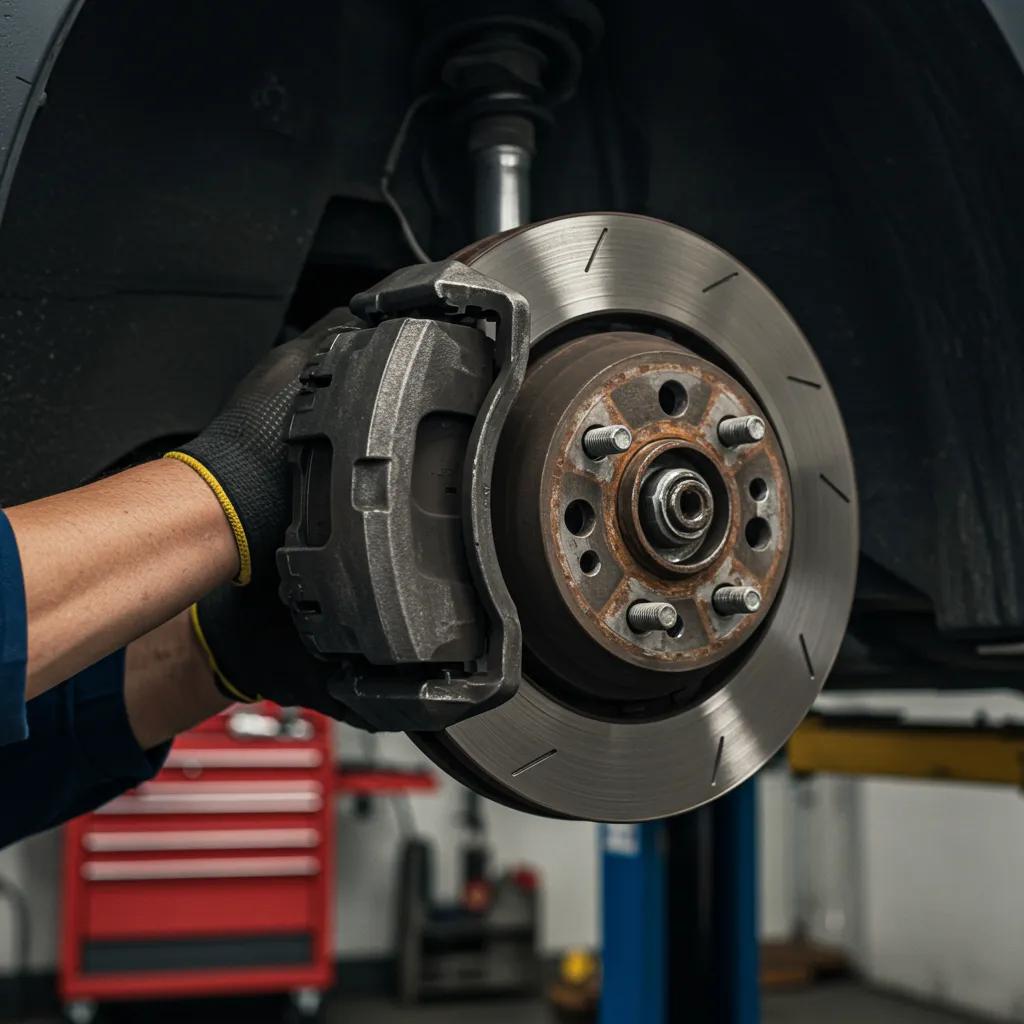
Brake repair restores friction components so that stopping distances remain within safe thresholds. Technicians replace worn pads, resurface or swap out rotors, and flush old fluid to remove moisture that can impair hydraulic function.
| Service Element | Characteristic | Outcome |
|---|---|---|
| Brake Pad Replacement | Material swapped | Restored friction and shorter stops |
| Rotor Resurfacing | Surface refinished | Even pad contact and reduced vibration |
| Brake Fluid Exchange | Fluid replaced | Consistent pedal feel and corrosion prevention |
Resurfacing or replacing parts removes uneven wear, reinstates safe braking dynamics, and prevents potential brake fade under repeated use.
What Engine Diagnostic and Tune-Up Services Are Available?
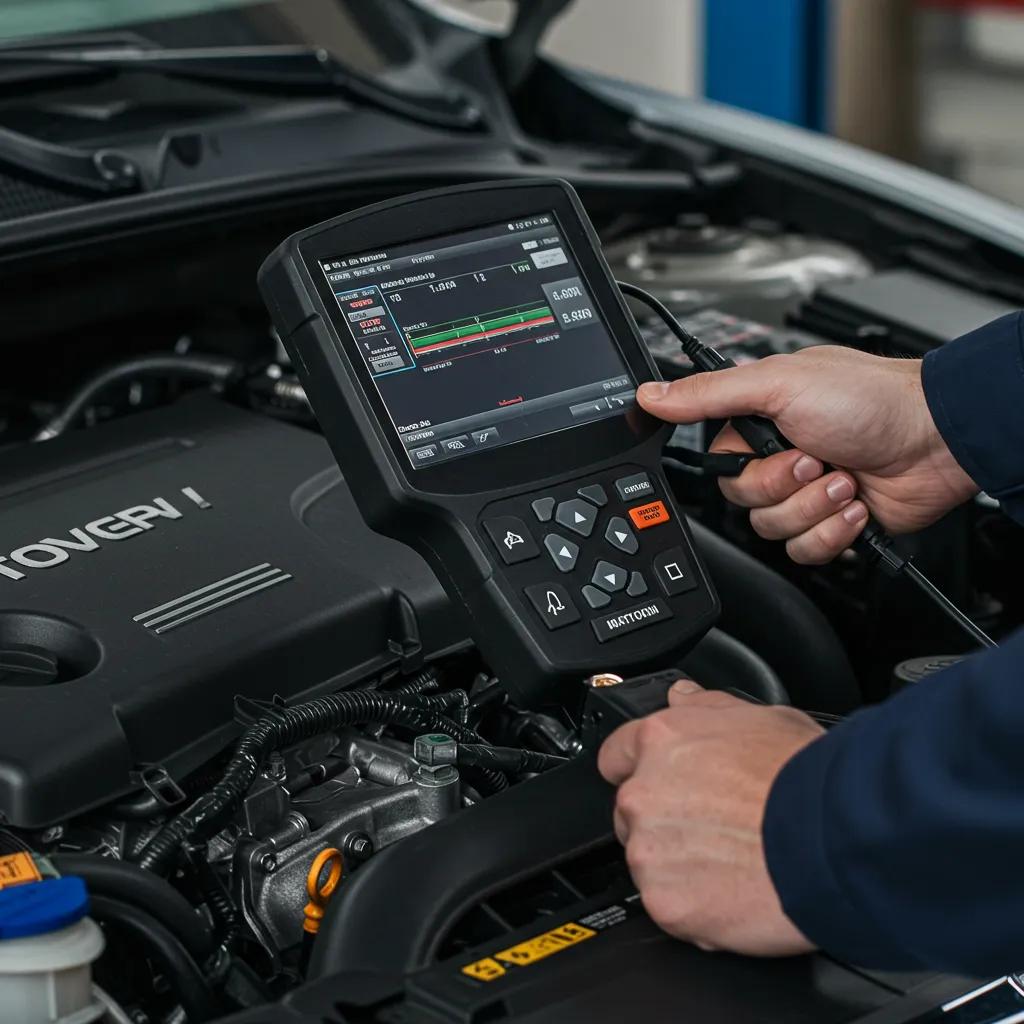
Engine diagnostic services use computerized scanners and live data monitoring to pinpoint issues such as misfires, sensor faults, or fuel delivery problems. Once identified, tune-up services replace spark plugs, air filters, and fuel filters while adjusting timing and idle settings to optimize combustion.
- Computerized System Scan for fault codes affecting engine performance.
- Spark Plug and Ignition Coil Replacement to restore efficient spark delivery.
- Air and Fuel Filter Service to maintain correct air-fuel ratios.
- Fuel Injector Cleaning for consistent spray patterns and fuel economy.
These diagnostic and tune-up procedures improve horsepower, reduce emissions, and support reliable daily operation.
Why Is Transmission Repair Important and What Are Your Options?
Transmission repair maintains proper gear engagement so that power transfers smoothly from the engine to the wheels. Neglected transmission issues can lead to gear slipping, overheating, and total drivetrain failure, which often incurs high replacement costs.
| Transmission Service | Typical Cost Range | Primary Benefit |
|---|---|---|
| Fluid Change | $80–$150 | Prevents overheating and friction wear |
| Filter Replacement | $50–$100 | Keeps fluid free of particulates |
| Seal and Gasket Repair | $100–$200 | Stops fluid leaks and maintains pressure |
| Rebuild or Replacement | $1,500–$4,000 | Restores complete gear function |
Addressing transmission concerns early prevents expensive rebuilds and preserves smooth acceleration under all driving conditions.
How Do Electrical System Repairs and Battery Replacements Work?
Electrical repair services diagnose wiring faults, charging system failures, and component malfunctions using multimeters and load testers. Replacement of a failing battery or alternator reinstates reliable voltage supply for ignition, lighting, and infotainment systems.
- Battery Load Test to assess capacity and cold-cranking amps.
- Alternator Output Check to confirm charging performance.
- Wiring Inspection to locate shorts, corrosion, or damaged insulation.
- Component Replacement for starters, sensors, and control modules.
Restoring electrical integrity ensures consistent engine starts, stable dash indicators, and dependable auxiliary systems.
How Can You Find Reliable Car Maintenance and Vehicle Service Centers Near Me?
What Makes a Local Mechanic Shop Trustworthy and Certified?
Trustworthy shops employ ASE-certified technicians who undergo rigorous skill testing across engine repair, brakes, electrical systems, and drivetrains. Certification confirms mastery of industry standards and best practices.
- Visible ASE credentials and technician name badges.
- Use of OEM-quality parts meeting manufacturer specifications.
- Clear written estimates that detail labor, parts, and warranty terms.
- Adherence to environmental and safety regulations in waste disposal.
A certified team safeguards your vehicle’s integrity and demonstrates commitment to professional excellence.
How Does Convenience and Efficiency Impact Your Auto Service Experience?
Convenient scheduling and efficient repairs minimize downtime and restore mobility swiftly. Advanced shops offer multi-platform booking, real-time status updates, and loaner vehicles to streamline the service journey.
- Online or mobile appointment booking available 24/7.
- Text and email notifications on inspection findings and repair progress.
- Dedicated service advisors guiding you through each step.
- Express service lanes for routine tasks like oil changes and tire rotations.
Efficient workflow reduces customer inconvenience and reinforces trust through transparent communication.
Why Is Transparent Pricing Important for Auto Repair Services?
Transparent pricing eliminates surprise fees, aligns expectations, and empowers informed decisions. Itemized invoices listing labor rates, parts costs, and taxes foster financial clarity for every job.
- Breakdown of service charges with hourly labor rate.
- Detailed parts list showing OEM or aftermarket options.
- Notification of additional work before approval.
- Clear warranty coverage terms for labor and components.
Clarity in cost structures builds confidence and prevents disputes, ensuring a positive ownership experience.
How Do Customer Reviews and Ratings Influence Your Choice of Auto Repair Shop?
Customer feedback highlights real-world service quality, responsiveness, and outcome satisfaction. High ratings and positive testimonials signal consistent performance and community trust.
- Aggregated star ratings from local business profiles.
- Written reviews describing technician professionalism and repair outcomes.
- Response rate and resolution approach for any negative feedback.
- Referrals from friends, family, or online groups.
Social proof validates shop reliability and helps you select a provider aligned with your expectations.
What Are the Signs Your Vehicle Needs Immediate Auto Repair or Maintenance?
Which Common Symptoms Indicate Brake System Issues?
A squealing noise, pulsating brake pedal, or brake warning light all indicate brake component wear or fluid problems. Grinding sounds suggest metal-to-metal contact that erodes rotors and pads.
- High-pitched squeal when braking signals worn brake pads.
- Vibrations in the steering wheel or pedal indicate warped rotors.
- Dark or low brake fluid level in the master cylinder reservoir.
Addressing these symptoms immediately prevents loss of stopping power and maintains vehicle control under all conditions.
How to Recognize Engine Problems and Check Engine Light Warnings?
An illuminated check engine light often flags sensor malfunctions, emission control faults, or misfires. Additional indicators include rough idling, loss of power, or increased fuel consumption.
- Steady glow check engine light means a stored fault code.
- Flashing light indicates severe misfires risking catalytic converter damage.
- Noticeable drop in acceleration or engine hesitation under load.
Professional diagnostics read fault codes to identify the exact issue and prescribe targeted repairs.
What Are the Warning Signs of Transmission and Electrical System Failures?
Unusual noises, shifting delays, and fluid leaks warn of transmission trouble, while dimming headlights and clicking relays reveal charging or battery issues.
| Symptom | Probable Cause | Immediate Risk |
|---|---|---|
| Grinding or whining gears | Worn gears or low fluid | Gear slippage and total failure |
| Intermittent electrical | Weak battery or alternator | Unexpected stalls or system shutdowns |
| Dashboard warning lights | Sensor or module faults | Inaccurate system readouts |
Early detection of these signs by a qualified technician prevents breakdowns and costly component replacements.
When Should You Schedule Tire Services Like Rotation and Wheel Alignment?
Uneven tread wear, pulling to one side, or steering vibration signal the need for tire rotation and alignment.
- Inspect tread depth every 5,000 miles for irregular patterns.
- Noticeable pulling when driving straight indicates misaligned wheels.
- Steering wheel vibration at highway speeds suggests imbalance.
Aligning and rotating tires at recommended intervals extends tire life, improves handling, and enhances fuel efficiency.
How Does Preventative Maintenance Save Money and Extend Vehicle Life?
Preventative maintenance involves planned tasks that preserve each system’s health, reducing the frequency and severity of major repairs. By replacing wear items before failure, you avoid emergency service charges and prolong component life.
| Maintenance Task | Recommended Interval | Value |
|---|---|---|
| Oil and Filter Change | Every 5,000–7,500 miles | Reduces engine wear and maintains efficiency |
| Tire Rotation and Balancing | Every 6,000–8,000 miles | Ensures even tread wear and safe handling |
| Brake Fluid Replacement | Every 2 years | Prevents moisture buildup and corrosion |
| Coolant Flush | Every 30,000 miles | Protects against overheating and scale formation |
Consistent servicing tasks translate to fewer breakdowns, lower lifetime repair costs, and a more reliable driving experience.
Why Are Regular Oil Changes Crucial for Engine Health?
Regular oil changes remove abrasive particles that cause internal wear, promote proper lubrication of moving parts, and regulate engine temperature. Fresh oil stabilizes viscosity under varying operating conditions, supporting optimal fuel efficiency and emission control.
How Does Tire Rotation and Balancing Improve Safety and Tire Lifespan?
Tire rotation redistributes wear by changing tire positions, while balancing corrects weight distribution around each wheel assembly. These combined measures maintain uniform tread depth, reduce vibrations, and enhance traction on wet or uneven roads.
What Scheduled Maintenance Services Should You Follow for Your Vehicle?
Following the manufacturer’s maintenance schedule—detailed in the owner’s manual—ensures all critical systems receive timely attention. Typical intervals cover transmission service, coolant replacement, spark plug changes, and differential fluid checks to uphold driveline reliability.
How Do Fluid Checks and Replacements Prevent Major Repairs?
Inspecting and replacing brake, power steering, coolant, and transmission fluids removes contaminants that degrade seals and bearings. Fresh fluids preserve hydraulic function, prevent overheating, and avoid premature component failures that lead to costly overhauls.
What Is the Typical Auto Repair Process at a Professional Vehicle Service Center?
A structured repair process ensures thorough diagnosis, consistent quality, and customer transparency. Certified technicians combine advanced tools with systematic workflows to restore vehicle performance reliably.
How Do Certified Technicians Diagnose and Inspect Vehicle Issues?
Technicians begin with a comprehensive multi-point inspection, visually examining belts, hoses, suspension, and underbody components. Next, computerized scans reveal diagnostic trouble codes, guiding targeted tests on sensors and control modules. Consistent protocols and up-to-date repair information systems ensure accurate identification of root causes and safe repair recommendations.
What Are the Steps Involved in Brake, Engine, and Transmission Repairs?
- Initial Inspection and Damage Assessment under the vehicle, confirming wear measurements.
- Disassembly and Part Replacement using OEM-equivalent components.
- System Reassembly and Calibration to manufacturer torque and alignment specifications.
- Fluid Refill or Bleed Procedures restoring hydraulic integrity.
- Road Test and Final Inspection verifying performance and safety standards.
This standardized workflow restores full functionality with documented quality checks at each stage.
How Is Quality Tested and Verified After Auto Repairs?
After repairs, technicians perform live diagnostics to confirm the absence of fault codes and inspect system pressures, fluid levels, and sensor outputs. Road testing under varied driving conditions validates real-world performance and ensures the repair meets or exceeds original equipment standards.
What Related Services Can Help Maintain Your Vehicle’s Performance?
Supplementary offerings such as wheel alignment, suspension tuning, and fuel system cleaning complement major repairs by optimizing driveline efficiency and driving comfort. Periodic cabin air filter replacement and battery health checks round out comprehensive Total Car Care.
What Are Frequently Asked Questions About General Auto Repair and Maintenance?
Vehicle owners often inquire about ideal maintenance intervals, cost expectations, and symptom interpretations to make informed service decisions. Here is an overview of common concerns and expert insights to guide your planning.
How Often Should I Get an Oil Change and Tire Rotation?
Oil change intervals vary by driving conditions and oil type but generally fall between 5,000 and 7,500 miles. Tire rotation every 6,000 to 8,000 miles ensures even wear and preserves traction, extending overall tire life by redistributing load patterns.
What Does a Check Engine Light Mean and What Should I Do?
An illuminated check engine light indicates that the vehicle’s onboard diagnostics have detected an emissions or engine system fault. A steady light suggests a stored code requiring professional scanning, while a flashing light signals urgent misfire conditions that could damage the catalytic converter if not addressed immediately.
How Much Does Transmission Repair Typically Cost?
Minor services such as fluid changes range from $80 to $150, while filter and seal replacements can run $150 to $300. Major rebuilds or replacements can escalate to $1,500–$4,000, depending on vehicle make, model, and parts quality.
Why Is Wheel Alignment Important for My Vehicle?
Proper alignment ensures all four wheels track correctly relative to one another, preventing uneven tire wear, reducing steering effort, and improving handling stability. Misalignment can compromise safety and lead to premature tire replacement.
What Are the Signs of a Failing Car Battery or Electrical System?
Symptoms include slow engine cranking, dim headlights, flickering dashboard lights, and interior electronics resetting unexpectedly. Battery load tests and alternator output checks confirm charging system health and determine if replacement is necessary.
How Can You Schedule Reliable Auto Repair Services at Your Local Automotive Shop?
What Are the Best Ways to Book an Appointment Online or by Phone?
Most shops offer multiple booking channels to suit your preferences:
- Dedicated online reservation forms showing real-time availability.
- Direct phone calls to service advisors for personalized scheduling.
- Mobile app interfaces with push notifications for reminders.
- Walk-in express lanes for quick maintenance tasks without prior booking.
Choosing the method aligned with your schedule helps secure a convenient appointment slot.
How Do Service Centers Ensure Customer Communication and Updates?
Proactive shops assign a service advisor to provide regular status reports via text or email. Photographs of discovered issues, digital approval requests for additional work, and estimated completion times all maintain transparency and reduce uncertainty during the repair process.
What Should You Expect During Your First Visit to a Local Mechanic Shop?
Upon arrival, you’ll meet a service advisor who records your vehicle’s concerns and mileage. A preliminary multi-point inspection establishes baseline condition; you then receive a detailed estimate outlining recommended services, costs, and timeframes. Once you approve the work, certified technicians complete repairs under standardized procedures, followed by a final inspection and a summary discussion of the completed tasks.
Smooth first visits, consistent communication, and transparent pricing form the foundation of reliable local service. By choosing an ASE-certified provider offering Total Car Care, you ensure expert repairs, preventative maintenance, and lasting peace of mind for your vehicle.
A well-maintained car not only avoids inconvenient breakdowns but also retains higher resale value and operates more efficiently. Investing in certified general auto repair and preventative maintenance delivers clear cost savings over time and keeps you safely on the road. Schedule your next service today and experience the confidence that comes with professional Total Car Care.