Engine Diagnostics: Your Complete Guide to OBD-II Codes, Check Engine Light Causes, and DIY Fixes
Mastering engine diagnostics puts you in the driver’s seat, allowing you to quickly identify problems using OBD-II trouble codes, understand what your check engine light is telling you, and perform targeted fixes. By getting a handle on engine trouble codes, recognizing check engine light patterns, choosing the right OBD-II scanner, and using diagnostic tools effectively, you can sidestep unnecessary repairs and keep your engine running at its peak. This guide breaks down seven key areas:
- Understanding and interpreting OBD-II fault codes
- Diagnosing and resetting your check engine light
- Top OBD-II scanners for the home mechanic
- Common engine problems and how to fix them yourself
- Evaluating DIY car diagnostic tools
- Diving into advanced diagnostic techniques
- Gaining insights from expert-level troubleshooting
Throughout this guide, we’ll share practical tips and show you how Blackstone 71’s automotive expertise in Columbus, Ohio, can be your go-to resource for tackling even the trickiest diagnostics.
What Are OBD-II Fault Codes and How Do They Help Diagnose Engine Problems?
OBD-II fault codes are standardized five-character identifiers (starting with P, U, B, or C) that pinpoint specific system malfunctions by communicating with your vehicle’s Engine Control Unit (ECU). When a sensor or circuit operates outside its expected parameters, the ECU logs a Diagnostic Trouble Code (DTC). This code acts as a crucial clue, helping technicians and DIYers zero in on the root cause much faster. For instance, a P0420 code often signals issues with the catalytic converter’s efficiency, directing your attention to specific checks rather than random guesswork.
A clear DTC readout significantly speeds up troubleshooting and minimizes your car’s downtime. By comparing live data streams—like oxygen sensor voltages—against factory specifications, you can confirm if a logged code truly represents a fault. Becoming proficient in interpreting DTCs is fundamental to reliable engine diagnostics and ensures your repairs address actual problems.
What Is an OBD-II Trouble Code?
An OBD-II trouble code is a five-character alphanumeric identifier that the ECU stores when it detects a malfunction in a vehicle subsystem. These codes follow a specific structure:
- A letter (P, U, B, or C) indicates the subsystem involved.
- A digit (0 for generic, 1 for manufacturer-specific) clarifies the code type.
- Three digits pinpoint the exact fault.
This organized format makes it easier to determine if the issue lies within the powertrain, network communication, body systems, or chassis components.
How Are OBD-II Codes Categorized: P, U, B, and C Codes Explained
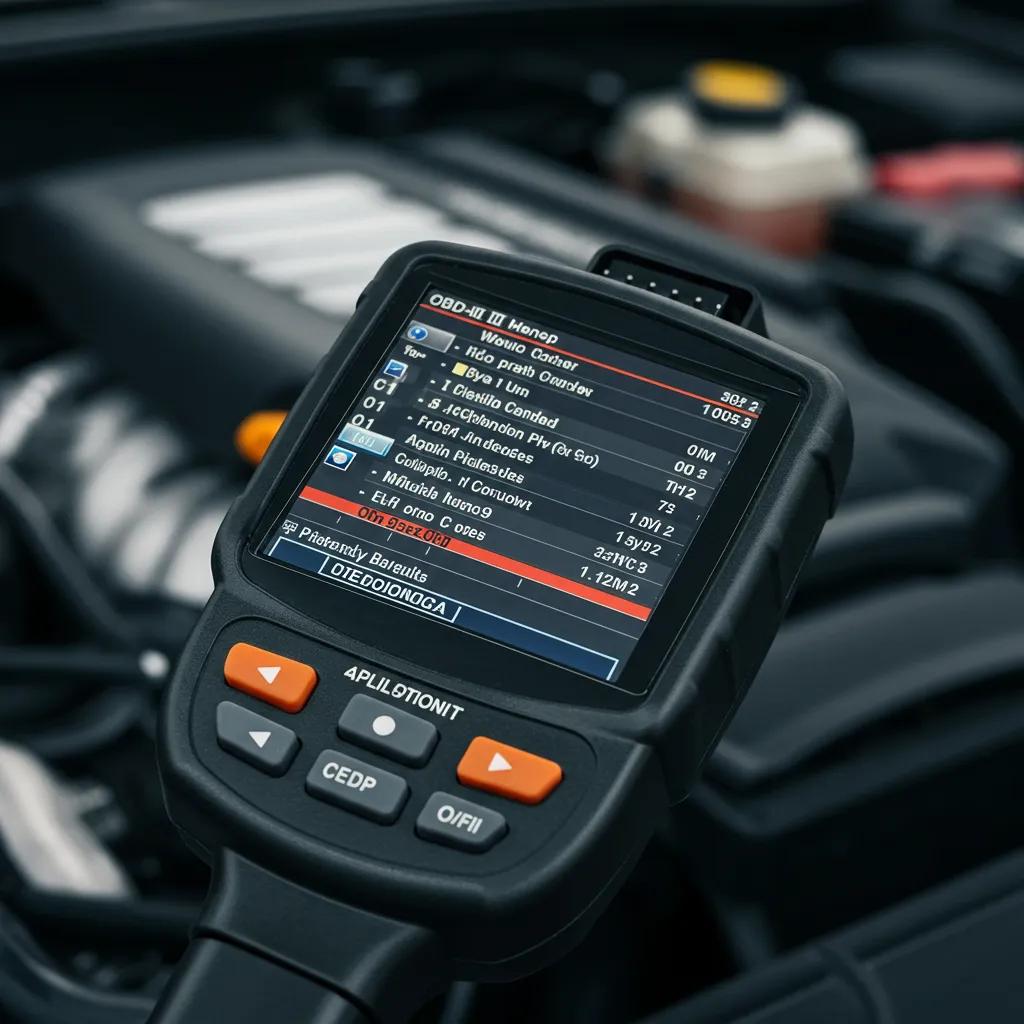
Before you even plug in your scanner, it’s vital to understand what these code prefixes mean.
| Code Group | System | Description |
|---|---|---|
| P | Powertrain | Issues related to the engine, transmission, and emissions systems. |
| U | Network Communication | Problems with communication between ECUs. |
| B | Body | Faults concerning systems like airbags, climate control, and lighting. |
| C | Chassis | Issues affecting brakes, suspension, and steering. |
Knowing this breakdown helps you apply the correct diagnostic procedures and select the appropriate tools for each specific vehicle system.
What Do Common Codes Like P0420 and P0301 Mean?
A P0420 code typically points to a catalytic converter operating below its optimal efficiency, often due to a failing converter or a faulty oxygen sensor. A P0301 code indicates a misfire in cylinder 1, which could be caused by a worn spark plug, a malfunctioning ignition coil, or a clogged fuel injector.
How Can You Read and Interpret OBD-II Codes?
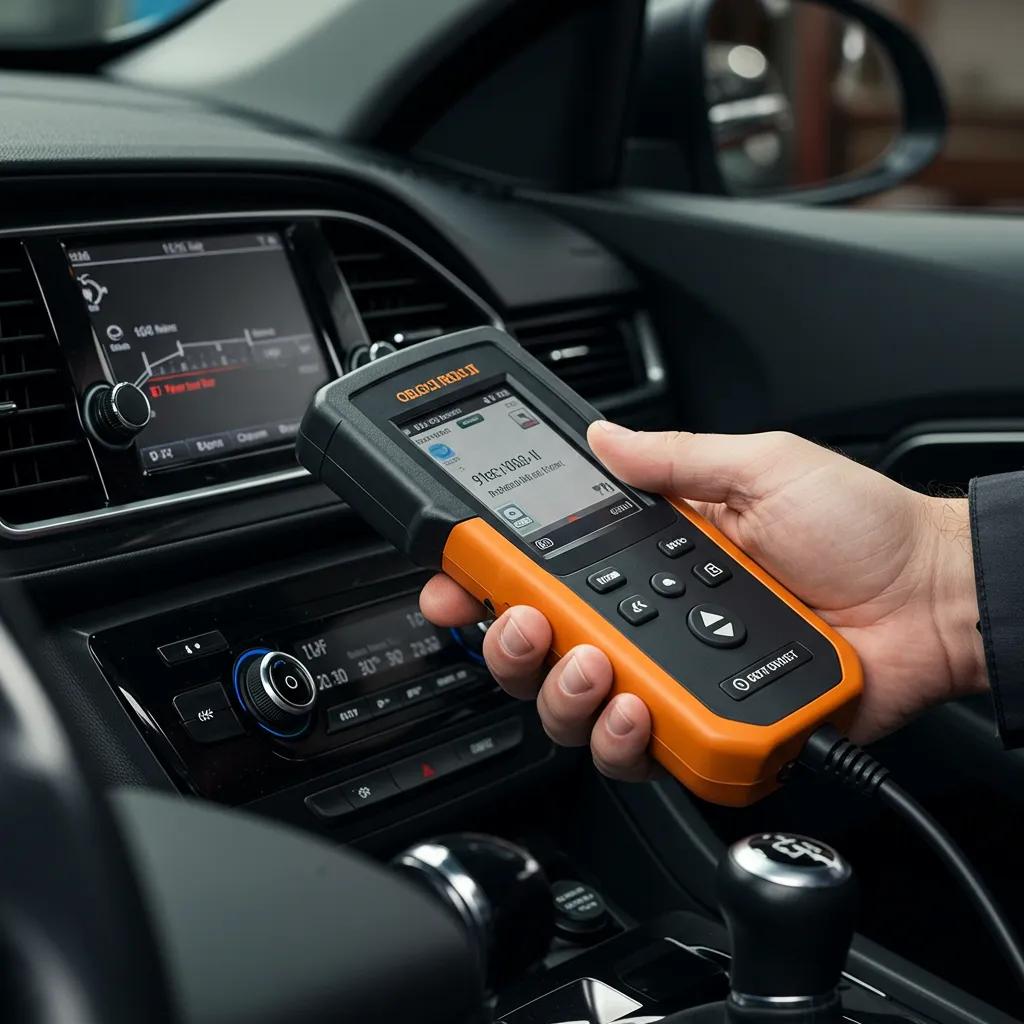
Connect your OBD-II scanner to the vehicle’s diagnostic port, turn the ignition key to the ‘on’ position (without starting the engine), and follow the scanner’s on-screen instructions to retrieve stored codes. To confirm a fault, compare live sensor readings with the manufacturer’s specified values before replacing any parts.
When Should You Clear or Reset Engine Codes?
It’s best practice to clear codes immediately after completing a repair to verify that the issue has been resolved. However, avoid clearing codes before you’ve properly diagnosed the problem, as this can erase valuable diagnostic information and make it harder to pinpoint intermittent faults.
How to Diagnose and Troubleshoot Check Engine Light Causes Effectively
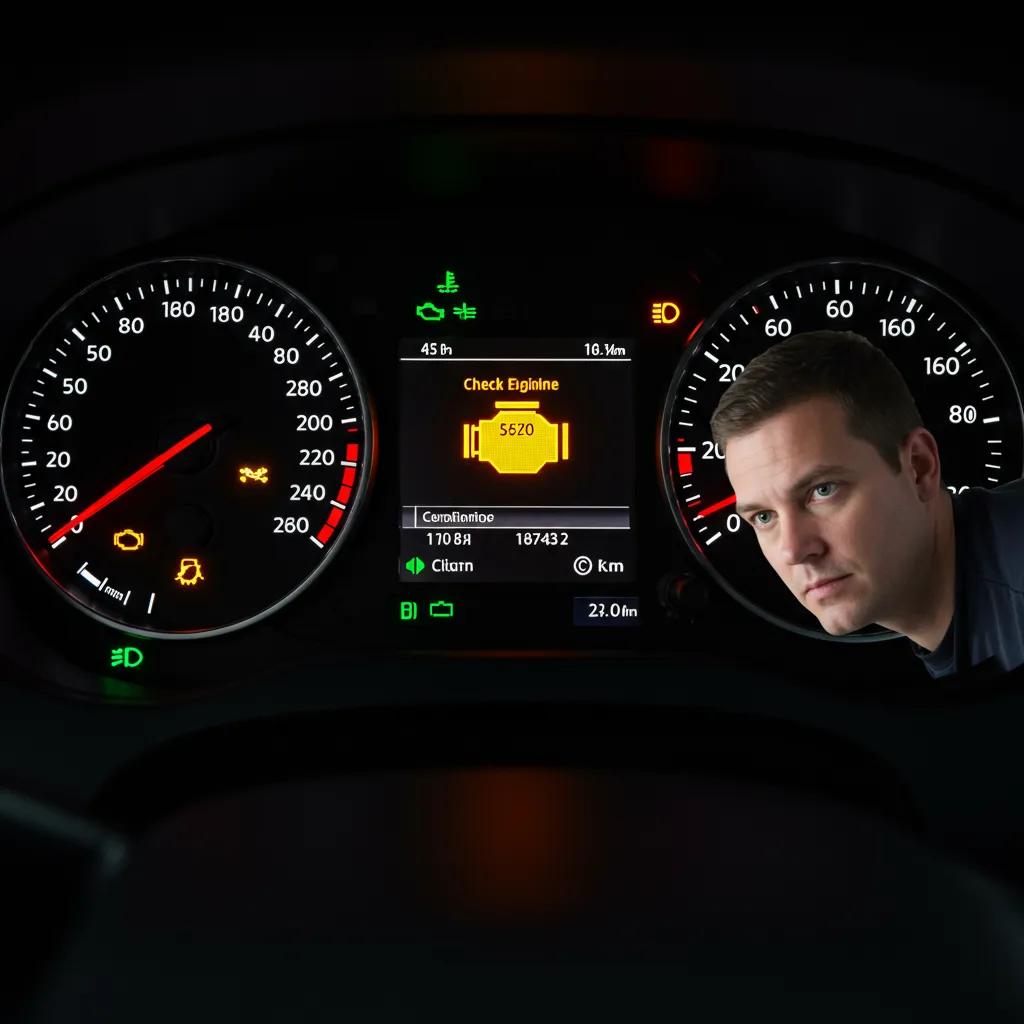
Whether it’s steady or flashing, your check engine light is the ECU’s signal that something is amiss with the engine or emissions system. Understanding the difference between an urgent warning and a minor alert is key to ensuring your safety and avoiding unnecessary panic.
A steady check engine light often indicates less critical issues, such as a loose gas cap or a minor sensor reading deviation. On the other hand, a flashing light signals a severe engine misfire that could quickly damage your catalytic converter, requiring immediate attention.
What Are the Most Common Causes of the Check Engine Light?
The check engine light is most frequently triggered by:
- A loose or damaged fuel cap, leading to fuel vapor leaks.
- A faulty oxygen sensor, which disrupts the air-fuel mixture.
- Catalytic converter inefficiency, often indicated by a P0420 code.
- Ignition misfires, typically flagged by P03xx codes.
These common culprits account for a significant majority of warning lamp activations and can often be fixed with relatively simple repairs.
How Does the Oxygen Sensor Affect Engine Diagnostics?
The oxygen sensor plays a critical role by measuring the amount of unburned oxygen in your exhaust. This data allows the ECU to fine-tune the fuel injection for optimal performance and emissions. When an oxygen sensor malfunctions or its readings drift, the ECU will log specific codes that guide you to inspect its wiring, the sensor itself, and the exhaust system, thereby aiding in precise diagnostics.
What Does a Flashing vs. Steady Check Engine Light Indicate?
A flashing check engine light is a serious warning sign of an active misfire that could lead to catalytic converter damage from excessive heat. A steady light generally suggests an emissions system fault or a sensor performance issue that can typically be addressed during your next scheduled service appointment without immediate risk of breakdown.
How Can You Reset the Check Engine Light Without a Scanner?
You can attempt to reset the check engine light by disconnecting the negative battery terminal for about 15 to 30 minutes. This action clears the ECU’s memory. Keep in mind that this method will also reset other vehicle settings, so it’s advisable to record any stored codes before proceeding.
When Is Professional Help Needed for Check Engine Light Issues?
If the check engine light remains illuminated after attempting basic resets, or if it continues to flash, it’s time to seek professional assistance. Blackstone 71’s workshop in Columbus is equipped with advanced diagnostic tools and capabilities, including bi-directional control tests, to efficiently resolve complex ECU faults.
Which Are the Best OBD-II Scanners for Home Mechanics and DIY Car Diagnostics?
Choosing the right OBD-II scanner means finding the perfect balance between features, cost, and vehicle compatibility. Whether you need basic code reading or advanced live data analysis, the correct tool can significantly improve your diagnostic accuracy and speed up repairs.
What Features Should You Look for in an OBD-II Scanner?
When you’re evaluating OBD-II scanners, pay close attention to these key features:
- Live Data Streaming: Allows you to monitor real-time sensor outputs.
- Bi-Directional Control: Enables you to actively test vehicle components.
- Wireless Connectivity: Offers seamless integration with smartphones and tablets.
- Manufacturer-Specific Code Access: Provides deeper diagnostic coverage for specific makes.
These capabilities transform a simple code reader into a powerful diagnostic assistant.
How Do Professional, Advanced, and Basic Scanners Differ?
Basic scanners are designed to read generic codes and clear faults. Advanced models go further by offering live data graphing and freeze-frame analysis. Professional-grade tools include bi-directional control, service light resets, and support for manufacturer-specific protocols, providing the most comprehensive diagnostic capabilities.
What Are the Top-Rated OBD-II Scanners for DIY Use in 2025?
| Scanner Model | Live Data | Bi-Directional Control | Price Range | Why DIYers Choose It |
|---|---|---|---|---|
| Autel MaxiLink ML619 | Yes | No | £70–£90 | Easy to use, covers all generic DTCs |
| Launch CRP129X | Yes | Yes | £120–£150 | Includes bi-directional tests and resets |
| Foxwell NT301 | Yes | No | £80–£100 | Compact, fast scanning capabilities |
How to Use an OBD-II Scanner Step-by-Step for Accurate Diagnostics?
- Ensure the ignition is off and locate the OBD-II port, typically found under the dashboard.
- Connect the scanner to the port and turn the ignition to the ‘on’ position (engine off).
- Navigate the scanner’s menu to the “Read Codes” option and record all Diagnostic Trouble Codes (DTCs).
- Access the live data stream to view readings from relevant sensors, helping you confirm the validity of the detected faults.
- After performing repairs, clear the codes and take the vehicle for a test drive to confirm the issue is resolved.
What Are Bluetooth and Wireless OBD-II Scanner Options?
Modern Bluetooth adapters connect to smartphone apps via Wi-Fi or Bluetooth LE, offering features like live data graphs, customizable digital dashboards, and access to cloud-based code libraries. While they might trade some advanced functions for portability, they provide a highly convenient and app-driven diagnostic experience.
What Are the Most Common Car Engine Problems and How Can You Troubleshoot Them?
Engine systems can develop a range of issues, including misfires, overheating, oil leaks, and failures in emissions control components. Catching symptoms early and following a structured diagnostic approach can prevent minor problems from escalating into costly repairs.
How to Identify and Fix Engine Misfires and Rough Idling?
Engine misfires typically manifest as uneven power delivery and a noticeable roughness at idle. Start your diagnosis by inspecting the spark plugs, ignition coils, and fuel injectors in that order. Cleaning or replacing any fouled or worn components often restores smooth engine operation.
What Causes Engine Overheating and How to Diagnose It?
Engine overheating can stem from several issues, including low coolant levels, a malfunctioning thermostat, or a failing water pump. Check the coolant reservoir, inspect the radiator for leaks or blockages, and verify that the cooling fan is operating correctly. Using a thermal imaging camera or an infrared thermometer can help identify hotspots and pinpoint flow restrictions within the cooling system.
How to Detect and Repair Engine Oil Leaks?
Oil leaks often appear around gaskets, seals, or the oil drain plug. Thoroughly clean the suspected area, start the engine, and carefully observe for any fresh signs of oil seepage. Replace any deteriorated seals, ensure drain plugs are torqued to specification, and use high-quality gaskets to ensure a reliable seal.
What Are the Signs of a Failing Catalytic Converter?
A clogged or failing catalytic converter can lead to sluggish acceleration, a rattling sound from the exhaust system, and elevated emissions test results. A P0420 code, combined with an exhaust back pressure test, can confirm converter inefficiency and the need for replacement.
How to Use DIY Diagnostic Tools to Troubleshoot Engine Issues?
By combining a multimeter, a vacuum gauge, and an OBD-II scanner, you can achieve comprehensive engine diagnostics. Measure sensor voltages, test actuator responses, and compare your readings against manufacturer specifications to confidently isolate the root cause of a problem.
How Do DIY Car Diagnostic Tools Reviews Help You Choose the Right Equipment?
Consulting well-researched reviews and buying guides is essential for identifying diagnostic tools that offer genuine value and reliable accuracy in real-world use. Detailed comparisons highlight the strengths, weaknesses, and important maintenance tips for various tools.
What Are the Benefits of Using Multimeters and Code Readers?
Multimeters are indispensable for measuring voltage, resistance, and continuity across electrical circuits, which is crucial for diagnosing sensors and wiring. Code readers, on the other hand, provide a quick way to retrieve DTCs, immediately indicating which vehicle subsystems require further investigation.
How Do Diagnostic Software and Apps Enhance Engine Diagnostics?
Diagnostic software platforms offer advanced features like on-screen data graphing, data logging capabilities, and instant access to cloud-based code definitions. Mobile apps further streamline the process with easy updates and the ability to perform component activation tests, bringing smartphone-based diagnostics close to professional levels.
What Are the Pros and Cons of Popular DIY Diagnostic Tools?
| Tool Type | Advantage | Limitation |
|---|---|---|
| Basic Code Reader | Affordable and straightforward to operate | Limited to reading generic codes only |
| Advanced Scanner | Provides live data graphs and reset functions | Higher cost associated with enhanced features |
| Smartphone App | Highly portable and always up-to-date | Dependent on vehicle battery power and app stability |
How to Maintain and Calibrate Your Diagnostic Tools for Accuracy?
To ensure your diagnostic tools remain accurate, regularly clean their connectors, keep firmware or app versions updated, and perform self-tests whenever available. Store your devices in protective cases to shield them from moisture and prevent damage to sensitive sensor probes.
Where to Find Reliable Reviews and Buying Guides for DIY Tools?
Automotive enthusiast forums, independent product review websites, and experienced mechanics at community workshops often publish detailed comparisons of diagnostic tools. These resources can help you weigh feature sets against practical user feedback to make an informed purchasing decision.
What Are Advanced Engine Diagnostics Techniques and When Should You Use Them?
Advanced diagnostic techniques, such as in-depth data analysis, oscilloscope use, and bi-directional controls, are essential for uncovering intermittent or complex faults that basic code reading might miss.
How Does Scan Tool Data Analysis Improve Fault Detection?
By capturing freeze-frame data and graphing multiple sensor channels simultaneously, advanced scan tools can reveal subtle correlations—like a sensor reading that only deviates under specific load conditions. This insight guides you toward precise component testing, preventing the unnecessary replacement of parts.
What Role Do Oscilloscopes Play in Engine Diagnostics?
Oscilloscopes are invaluable for visualizing the electrical waveforms generated by components like ignition coils, fuel injectors, and camshaft sensors. By displaying these signals, they can expose irregular patterns that indicate electrical faults, wiring issues, or sensor malfunctions at a circuit level.
How to Test Engine Sensors and Components Accurately?
Use a multimeter or oscilloscope to measure sensor outputs while varying engine speed and temperature. Compare these readings against the manufacturer’s specifications and monitor response times during active tests to confirm that each component is functioning correctly.
When Is Bi-Directional Control Important in Diagnostics?
Bi-directional control allows you to send commands directly from your scan tool to vehicle actuators, such as the EGR valve or fuel pump. This capability is crucial for verifying the mechanical operation of these components without needing to disassemble them prematurely.
How Can AI and Machine Learning Enhance Engine Diagnostics?
Emerging AI-powered diagnostic platforms can analyze vast amounts of historical fault data and real-time sensor trends to predict potential failures before they even trigger a diagnostic code. Machine learning algorithms can also suggest the most effective corrective actions based on aggregated repair outcomes from countless vehicles.
What Are Frequently Asked Questions About Engine Diagnostics and Troubleshooting?
This section tackles common, practical questions to reinforce your understanding of essential troubleshooting principles.
What Does a P0420 Code Mean and How Can It Be Fixed?
A P0420 code signifies that your catalytic converter is not efficiently converting exhaust gases. To address this, you should first inspect the performance of your oxygen sensors, conduct an exhaust back pressure test, and if necessary, replace the catalytic converter.
Can You Drive Safely with the Check Engine Light On?
Generally, yes, you can continue driving with a steady check engine light, but it’s wise to get it checked out soon to prevent potential escalation. However, if the light is flashing, you should stop driving as soon as it’s safe to do so to avoid severe engine or catalytic converter damage.
How Much Does an Engine Diagnostic Typically Cost?
A professional diagnostic service at a shop typically ranges from £50 to £100, covering code retrieval, live data analysis, and a basic inspection. Opting for mobile diagnostic services or using your own DIY scanner can significantly reduce these costs.
How Do You Reset the Check Engine Light Without Tools?
You can attempt to reset the check engine light by disconnecting the vehicle’s negative battery terminal for 15 to 30 minutes. This action will clear the ECU’s memory, but be aware that it will also reset other personalized vehicle settings.
What Are the Best Practices for Maintaining Engine Health?
Consistent maintenance is key. This includes adhering to regular service schedules, performing timely oil changes, periodically inspecting critical sensors, and promptly addressing any warning indicators. These practices help ensure your engine systems operate optimally and minimize the likelihood of diagnostic issues.
Staying informed about engine diagnostics, choosing the right tools, and following a methodical troubleshooting process will equip you to confidently resolve vehicle faults. By mastering OBD-II code interpretation, effective scanner usage, and advanced testing methods, you can avoid unnecessary expenses and extend your engine’s lifespan. For those challenging or intermittent issues, the expert technicians at Blackstone 71 in Columbus are ready to provide advanced scan-tool analysis and hands-on support to ensure your vehicle runs at its absolute best.