
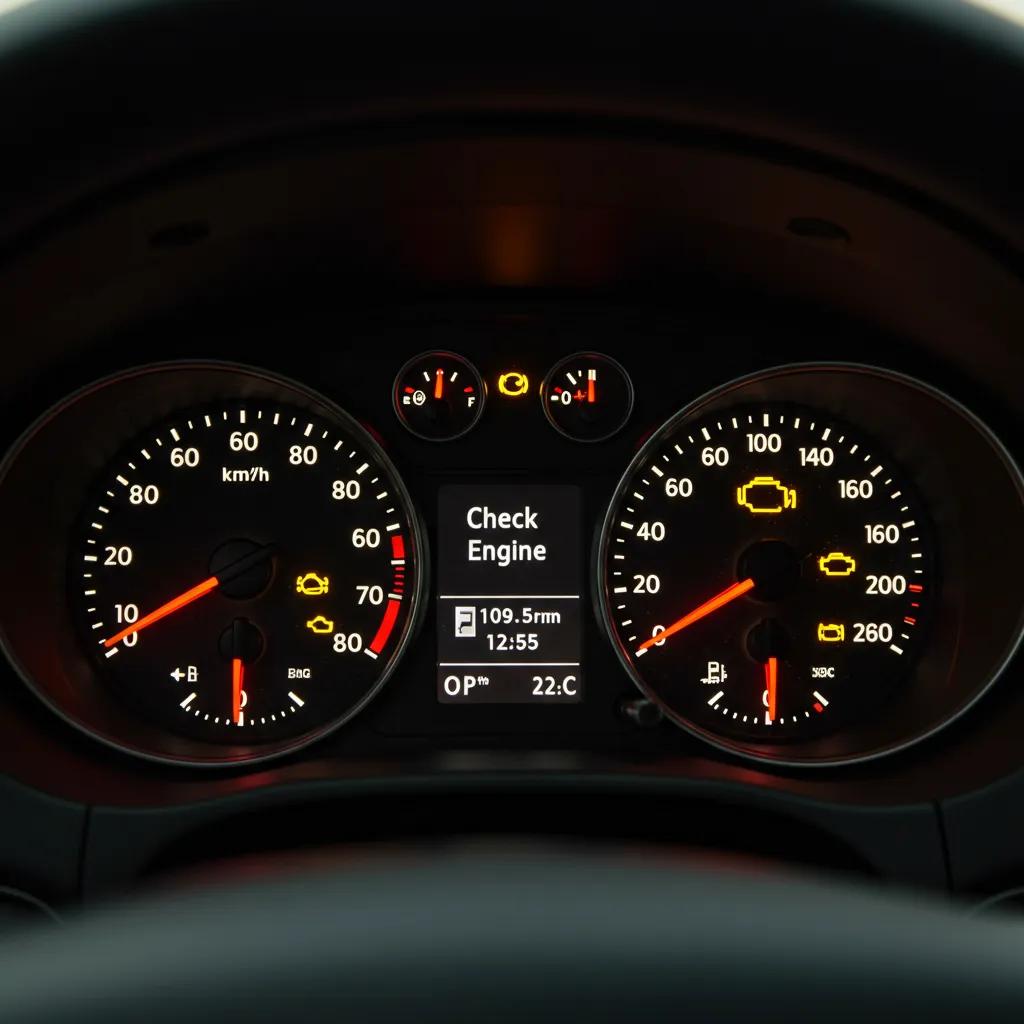
Decoding Your Check Engine Light: Causes, Diagnosis, and Solutions
When that amber malfunction indicator lamp (MIL) illuminates on your dashboard, it’s your vehicle’s way of flagging an issue with the engine or emissions system that needs your attention. Understanding what this light signifies, the common culprits behind it, and the steps to diagnose the problem empowers you to act swiftly and potentially sidestep costly repairs. This comprehensive guide will walk you through the meaning of the engine warning light, explore the top seven reasons it might appear, demystify diagnostic trouble codes (DTCs), explain how Blackstone71 tackles professional diagnostics and repairs, advise on the crucial differences between a steady and flashing light, and provide cost insights relevant to the UK. By grasping these essentials, you’ll be better equipped to spot engine troubles early and know when it’s time to seek expert help at www.blackstone71.com.
What Does the Check Engine Light Signify? Understanding Your Vehicle’s Warning Signals
The check engine light, also known as the Malfunction Indicator Lamp (MIL), serves as your vehicle’s onboard system alert. It indicates that the powertrain control module has detected a fault impacting engine performance or the vehicle’s ability to meet emissions standards. This warning light acts as a bridge between real-time sensor data and driver awareness, highlighting everything from minor evaporative system leaks to more serious engine misfires. A light that stays illuminated typically points to a non-critical fault, whereas a flashing MIL signals a misfire severe enough to risk overheating the catalytic converter. Differentiating between these two states is vital for assessing risk and prioritising professional diagnostic attention.
What Exactly Is the Check Engine Light and Why Does It Illuminate?
The malfunction indicator lamp is a standard dashboard icon connected to the On-Board Diagnostics II (OBD-II) system, which continuously monitors engine, transmission, and emissions-related components. When a sensor’s reading deviates from its expected parameters—for instance, if an oxygen sensor’s voltage drops below 0.1 V—the engine control unit records a diagnostic trouble code (DTC) and activates the MIL. A common example is a loose fuel cap, which can disrupt the fuel tank’s pressure equilibrium, leading to evaporative emissions faults and triggering a code like . Pinpointing the exact cause requires using an OBD-II scanner to read the stored codes and correlating them with specific vehicle sub-systems.
What’s the Difference Between a Steady and a Flashing Check Engine Light?
A steady check engine light suggests a fault has been detected, but it’s not an immediate emergency, generally allowing you to drive cautiously to a repair facility. Common triggers for a steady light include minor leaks in the evaporative emissions (EVAP) system, slight drift in oxygen sensor readings, or the catalytic converter’s efficiency dropping just below its operational threshold. In contrast, a flashing light signifies active engine misfires. These misfires can rapidly overheat exhaust components, including the catalytic converter, potentially causing significant damage within minutes. If your check engine light flashes, it’s crucial to reduce engine load immediately and drive to a safe location or repair shop as soon as possible, as continued operation can dramatically increase repair costs.
Is It Safe to Drive with the Check Engine Light On? Risks and Recommendations
Driving with a steady check engine light is generally permissible for short distances, ideally en route to a trusted repair shop, but it does carry the risk of exacerbating the underlying issue. While minor problems like a loose fuel cap might resolve themselves after being tightened, unresolved sensor faults can lead to decreased fuel economy, rough idling, or a failed emissions test. A flashing MIL, however, demands immediate attention. Ignoring it can lead to severe damage, such as warping the catalytic converter or causing more extensive engine damage. Blackstone71’s expert diagnostics team recommends having your DTCs scanned within 24 hours of the light appearing and scheduling a thorough inspection to safeguard your engine’s long-term health.
The Top 7 Most Common Triggers for Your Check Engine Light
The following list outlines the most frequent reasons your check engine light might illuminate, ranging from simple fixes you might handle yourself to more complex sensor failures. Understanding these common causes can help you anticipate potential repairs and maintain your vehicle’s optimal performance.
| Component | Fault Indicator | System Impact |
|---|---|---|
| Fuel Cap | Improper seal or damage | EVAP system leak code (e.g., P0440) |
| Oxygen Sensor | Wear and tear, reduced effectiveness | Incorrect air-fuel mixture codes, diminished fuel economy |
| Catalytic Converter | Efficiency below operational threshold (e.g., < 80%) | P0420 code, elevated emissions output |
| Spark Plug / Ignition Coil | Failure or wear | Engine misfire codes (e.g., P0300), rough idling |
| Mass Airflow Sensor (MAF) | Inaccurate air volume readings | Lean fuel mixture codes (e.g., P0171), erratic acceleration |
| EVAP System | Leaking purge valve or hoses | Canister vent codes, noticeable fuel odours |
| Engine Misfire | Inconsistent cylinder combustion | Risk of catalytic converter damage, significant power loss |
This table illustrates how failures in specific components translate into diagnostic codes and affect your engine’s operation. Let’s delve into each of these causes in more detail.
1. How a Loose or Faulty Fuel Cap Can Trigger the Engine Light
A fuel cap that is loose, damaged, or missing entirely can compromise the integrity of your vehicle’s evaporative emissions (EVAP) system. This allows fuel vapours to escape, which the OBD-II system detects as an EVAP leak. Consequently, the engine control unit logs a -related code and illuminates the check engine light. Often, simply tightening the cap or replacing it if it’s damaged can resolve the issue, and the system may reset itself within a few driving cycles. This straightforward fix highlights how minor issues can trigger warning lights without necessitating expensive repairs.
2. Identifying the Symptoms of a Failing Oxygen Sensor
An oxygen sensor, or O₂ sensor, plays a critical role in monitoring the amount of oxygen in your exhaust gases. When it begins to wear out, it provides inaccurate readings to the engine control unit, leading to an improper air-fuel mixture—either too rich or too lean. This can trigger codes such as (O₂ sensor slow response) or (system too rich). Drivers might notice a decrease in fuel efficiency, a rougher idle, or an increase in exhaust emissions. Replacing a faulty O₂ sensor is essential for restoring the correct air-fuel ratio and clearing related DTCs, and it also helps prevent potential damage to the catalytic converter caused by prolonged mixture imbalances.
The development and application of oxygen sensors have been critical in managing automotive emissions since the early 1970s.
Oxygen Sensors in Automotive Emissions Control: History and Applications
A prime example is the control of automotive exhaust emissions, which has been enabled by the use of oxygen gas sensors. Since the early 1970s, sustained research into oxygen sensors has led to the development of sensors for various applications with differing performance characteristics.
Oxygen sensors: materials, methods, designs and applications, R Ramamoorthy, 2003
3. How Catalytic Converter Issues Trigger the Engine Light
The catalytic converter is a vital component responsible for reducing harmful emissions. Over time, it can degrade and lose its efficiency in converting pollutants. When its performance drops below a certain threshold (often around 80% efficiency), the OBD-II system will trigger a code, illuminating the check engine light. Symptoms can include sluggish acceleration, unusual rattling noises from beneath the vehicle, or a failed emissions test. Replacing a catalytic converter can be a significant expense, with average costs in the UK around £1,348 according to CarMD’s 2025 index. Proactive diagnostics and addressing upstream issues like engine misfires or faulty sensors promptly can help extend the life of your catalytic converter and potentially avoid costly replacements.
4. Engine Problems Linked to Faulty Spark Plugs and Ignition Coils
Spark plugs ignite the air-fuel mixture in your engine’s cylinders, while ignition coils provide the necessary voltage. When spark plugs become worn or fouled, or when ignition coils fail, combustion can become incomplete. This leads to engine misfires, which the OBD-II system detects and flags with codes such as (random/multiple misfire detected). You might experience a rough idle, hesitation when accelerating, or a noticeable increase in fuel consumption. Replacing worn spark plugs or faulty ignition coils is crucial for restoring proper cylinder firing, eliminating misfire-related warning lights, and ensuring smooth engine operation. Regular maintenance of your ignition system is key to preventing misfires that could damage your catalytic converter.
5. How a Malfunctioning Mass Airflow Sensor Affects the Engine Light
The Mass Airflow (MAF) sensor is responsible for measuring the volume and density of air entering the engine. This data is critical for the engine control unit to calculate the precise amount of fuel to inject. If the MAF sensor becomes dirty or faulty, it can send inaccurate readings, leading to an incorrect air-fuel mixture. This often results in lean condition codes, such as (system too lean), and can cause symptoms like hesitation during acceleration, stalling, or a general loss of engine power. Cleaning a dirty MAF sensor can sometimes resolve the issue, while a faulty sensor will need replacement. Ensuring the MAF sensor is functioning correctly is an important part of routine servicing to prevent unexpected diagnostic issues.
6. Understanding EVAP System Leaks and Their Impact on the Engine Light
The evaporative emissions control (EVAP) system is designed to capture fuel vapours from the fuel tank and prevent them from escaping into the atmosphere. It typically does this by storing the vapours in a charcoal canister and then purging them into the engine’s intake manifold under specific conditions. Leaks within this system—which can occur in hoses, valves, or the canister itself—allow fuel vapours to escape, triggering EVAP system codes and illuminating the check engine light. You might also notice a strong smell of fuel around your vehicle, or experience rough idling. Repairing these leaks and replacing any malfunctioning EVAP components is necessary to restore emissions compliance and ensure the system functions as intended.
7. How Engine Misfire Codes Relate to the Check Engine Light
Engine misfires occur when one or more cylinders fail to combust the air-fuel mixture properly. When the OBD-II system detects persistent misfires, it will illuminate the check engine light as a protective measure. These codes can be specific to a cylinder (e.g., for cylinder 1 misfire) or indicate a random/multiple misfire (). Ignoring engine misfires is particularly risky because the unburnt fuel can enter the exhaust system, leading to overheating and potential damage to the catalytic converter. Diagnosing the root cause of misfires typically involves inspecting the ignition system (spark plugs, coils), fuel delivery, and cylinder compression—tasks that Blackstone71 technicians are expertly equipped to handle.
How Diagnostic Trouble Codes (DTCs) Help Identify Check Engine Light Causes
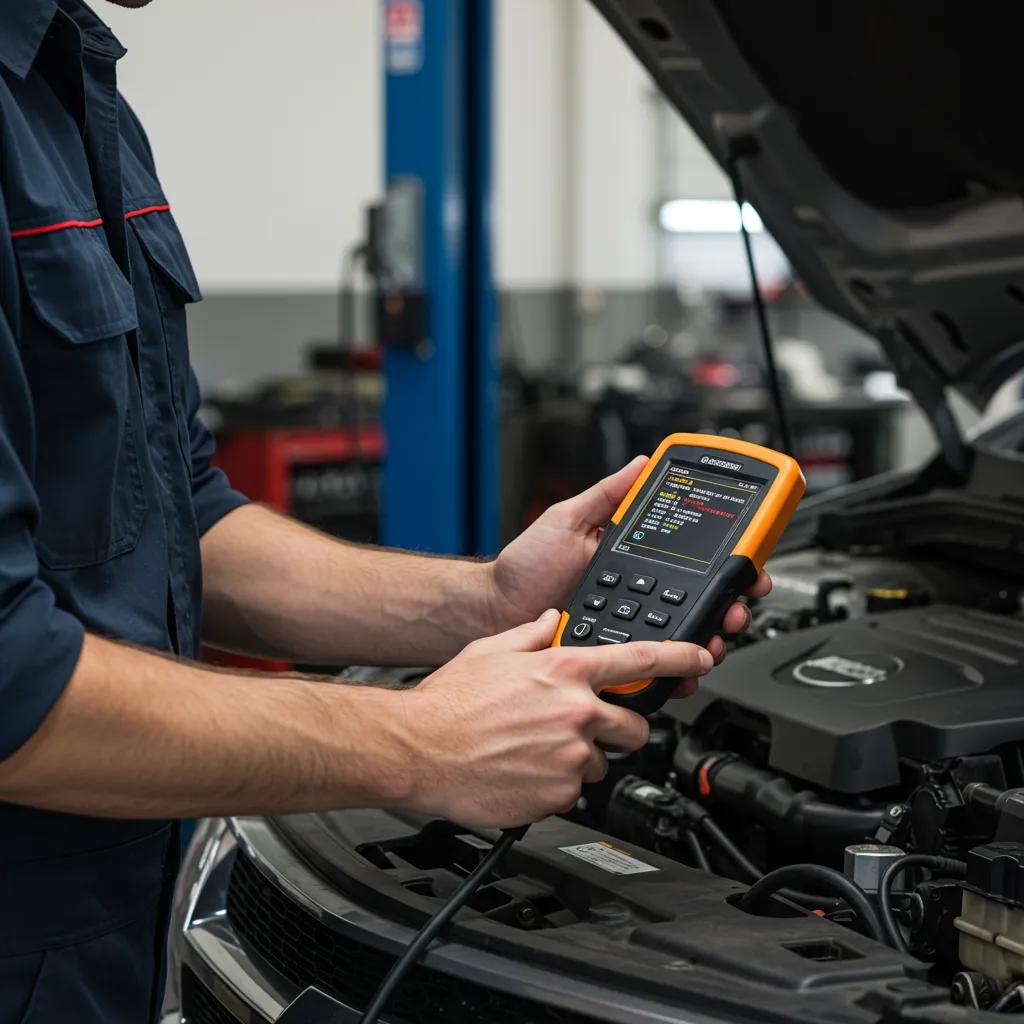
Diagnostic Trouble Codes (DTCs) are standardized alphanumeric identifiers that the vehicle’s onboard diagnostics system stores when it detects a fault. These codes act as a crucial link between raw sensor data and specific engine or system malfunctions, enabling precise fault isolation. By using an OBD-II scanner to retrieve these codes, technicians can quickly identify the nature of the problem and the affected component. This systematic approach transforms a general dashboard warning into a clear set of actionable diagnostic and repair steps.
| Code | Meaning | Related Component |
|---|---|---|
| P0440 | Evaporative Emission System Leak Detected | Fuel Cap, EVAP Purge Valve, Hoses |
| P0133 | O₂ Sensor Circuit Slow Response (Bank 1) | Oxygen Sensor |
| P0420 | Catalyst System Efficiency Below Threshold (Bank 1) | Catalytic Converter |
| P0300 | Random/Multiple Cylinder Misfire Detected | Spark Plugs, Ignition Coils, Fuel Injectors |
| P0171 | System Too Lean (Bank 1) | Mass Airflow Sensor, Vacuum Leaks |
By mapping each DTC to its corresponding subsystem, technicians can focus their inspections and potential repairs more effectively. In the next section, we’ll explore how Blackstone71 utilises advanced diagnostic tools and expertise to interpret these codes accurately.
Blackstone71’s Approach to Diagnosing and Repairing Check Engine Light Issues
At Blackstone71, we employ a meticulous diagnostic process that begins with a comprehensive OBD-II scan to retrieve all stored DTCs and freeze-frame data. Our technicians then conduct targeted visual inspections, perform sensor performance tests, and utilise methods like smoke tests for the EVAP system. This integrated approach, combining electronic diagnostics with hands-on expertise, ensures accurate fault identification and prevents unnecessary part replacements, ultimately saving you time and money.
- Initiate a Four-Step Scan: We capture all DTCs, record freeze-frame data, clear the codes, and then re-scan to confirm the active fault.
- Conduct Thorough Inspections: We visually examine relevant components, including the fuel cap, hoses, sensors, and ignition parts, for any signs of wear or damage.
- Monitor Live Data: We utilise live data streams to verify sensor outputs under various operating conditions, such as idle and load.
- Perform EVAP Smoke Tests: We employ smoke testing to efficiently identify even the smallest, hard-to-find vapour leaks in the EVAP system.
What to Do When Your Check Engine Light Flashes or Stays On
If your check engine light begins flashing, it signifies an urgent situation requiring immediate attention to prevent severe engine damage and catalytic converter overheating. Safely reduce your vehicle’s speed, minimise engine load, and drive directly to a qualified repair centre. A steady check engine light generally allows for more controlled driving—ideally, you should schedule an OBD-II scan within 24 hours. Responding promptly to either situation helps avoid escalating repair costs and preserves your vehicle’s overall reliability.
Here are the key recommended actions:
- Flashing MIL: Immediately cease driving if possible, allow the engine to cool, and seek professional diagnostic services without delay.
- Steady MIL: First, check and tighten your fuel cap. If the light persists after a few drive cycles, schedule a diagnostic scan.
- Caution on Self-Resetting: Be aware that clearing diagnostic codes without addressing the underlying fault can mask serious issues, potentially leading to more significant problems later.
Estimated Costs for Common Check Engine Light Repairs in the UK

Repair costs in the UK can fluctuate based on the specific component, the complexity of the repair, and local labour rates. However, average cost estimates can provide a useful guide for budgeting. Blackstone71 is committed to providing transparent pricing, offering detailed estimates and itemised quotes before commencing any work.
| Type of Repair | Average Cost (GBP) | Typical Range (GBP) |
|---|---|---|
| Fuel Cap Replacement | £15 – £25 | £10 – £30 |
| Oxygen Sensor Replacement | £254 | £180 – £350 |
| Spark Plugs & Coil Service | £120 – £180 | £80 – £220 |
| Mass Airflow Sensor Cleaning | £70 – £100 | £50 – £120 |
| Catalytic Converter Replacement | £1,348 | £900 – £1,800 |
These figures, derived from sources like CarMD’s 2025 Vehicle Health Index and UK labour cost estimates, illustrate the potential financial implications of common check engine light repairs. Blackstone71’s dedication to transparent pricing ensures you can plan for necessary repairs with confidence and avoid unexpected expenses.
Frequently Asked Questions About the Check Engine Light
What Are the Most Frequent Reasons for the Check Engine Light to Appear?
The most common culprits behind a check engine light include loose or faulty fuel caps, failing oxygen sensors, and a catalytic converter that’s lost efficiency. These issues account for a significant number of vehicle service visits. Early detection through routine servicing by qualified technicians can minimise the scope and cost of repairs. Understanding these frequent triggers helps drivers prioritise diagnostic checks before minor faults escalate into more serious problems.
Is It Safe to Continue Driving If My Check Engine Light Is On?
Driving short distances with a steady check engine light is generally considered safe, provided you monitor your vehicle’s performance closely and avoid strenuous driving conditions. However, a flashing light indicates critical engine misfires that can quickly damage exhaust components and the catalytic converter. When in doubt, a professional OBD-II scan can clarify the level of risk and provide guidance on the best course of action. Blackstone71 advises always erring on the side of caution to protect your engine’s integrity.
How Can I Determine If My Check Engine Light Indicates a Serious Issue?
The behaviour of the light often provides clues: a flashing light typically signals an active and potentially damaging misfire, while a persistent steady light might point to broader sensor or emissions system issues. When accompanied by noticeable performance symptoms—such as a significant loss of power or strong fuel odours—a diagnostic scan is essential. The specific fault code revealed by the scan will indicate the severity and priority of the required repair. Addressing high-priority codes promptly is key to preventing minor issues from becoming major, costly repairs.
How Long Can I Safely Ignore the Check Engine Light Before Damage Occurs?
Ignoring a steady check engine light for an extended period, even just a few days, can allow minor faults to develop into more significant problems. For example, unresolved misfires can lead to catalytic converter damage. A flashing light demands immediate attention within minutes to prevent irreversible harm. Scheduling an OBD-II scan within 24 hours of the light illuminating strikes a balance between convenience and essential preventive care, aligning with best practices for maintaining engine longevity.
What Are the Warning Signs of a Failing Catalytic Converter or Oxygen Sensor?
A compromised catalytic converter often manifests as sluggish acceleration, unusual rattling sounds from the exhaust system, and a persistent code. Worn oxygen sensors, on the other hand, typically trigger codes related to rich or lean fuel mixtures and a noticeable drop in fuel economy. Confirmation of these issues can often be made during emissions testing or through live data analysis during a diagnostic scan. Timely replacement of these components is crucial for restoring optimal performance and preventing further damage to the exhaust system.
Maintaining a clear understanding of the potential causes behind your check engine light and knowing how to respond effectively can help you avoid unexpected breakdowns and costly repairs. Recognising sensor-related faults early and partnering with an expert diagnostic service ensures accurate code interpretation and targeted, effective solutions. Blackstone71’s combination of advanced OBD-II scanning technology and meticulous hands-on inspections delivers reliable diagnoses, transparent pricing, and valuable guidance for preventive maintenance. Trusting precise diagnostics and quality repairs will preserve your vehicle’s health and provide peace of mind on every journey.