

Decoding Auto Repair Lingo: Your Essential Guide to Car Talk
Ever felt that moment of confusion when your mechanic drops a term you’ve never encountered? Grasping key car repair vocabulary not only empowers you to make smart maintenance choices but also sidesteps costly misunderstandings at the shop. In this guide, you’ll find straightforward definitions, practical explanations, and real-world examples for every major vehicle system—from engines and brakes to diagnostics and emissions. We’ll cover:
- Fundamental car components and how they connect
- Engine and drivetrain terms, including a breakdown of transmission types
- Common vocabulary for braking and suspension systems
- Key electrical and diagnostic system parts
- Crucial tyre and wheel terminology, illustrated with a comparison table
- Essential exhaust and emissions system components
- Actionable advice on leveraging this knowledge for clearer conversations with your mechanic
Loaded with answers ready for featured snippets and insightful semantic details, this auto repair glossary demystifies mechanic jargon while highlighting how a Columbus, Ohio service center leads the way in precise maintenance and customer clarity.
What Are the Core Components of a Vehicle?
The fundamental parts of a car work together as integrated systems to keep your ride running smoothly, safely, and efficiently. Each system is made up of numerous components that collaborate to deliver power, manage speed, and maintain stability.
Here are the five foundational systems every car owner should be familiar with:
- Engine System – responsible for generating power, whether through combustion or electric means
- Brake System – designed to safely slow down and stop the vehicle
- Electrical System – manages the battery, charging, and ignition components
- Tyres & Wheels – provide support for the vehicle’s weight, traction, and steering
- Exhaust & Emissions – channels and treats exhaust gases produced by the engine
These core systems dictate how your car operates and provide the basis for understanding the more detailed engine, braking, and diagnostic terms that follow.
What Are the Essential Engine Parts Every Car Owner Needs to Know?
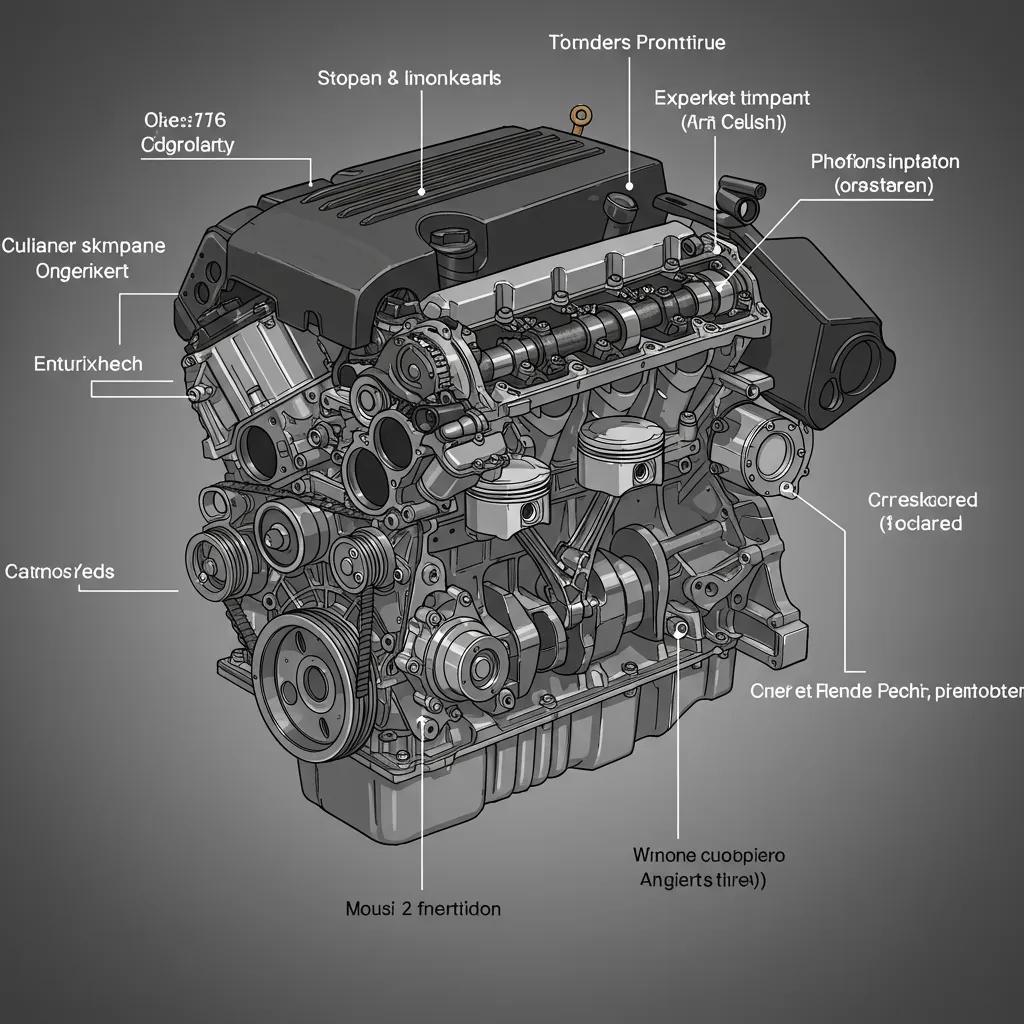
An engine is comprised of several vital parts that transform fuel into mechanical energy. The engine block houses the pistons, the cylinder head contains the valves, and timing mechanisms synchronize movements for optimal combustion. Recognizing terms like “camshaft” and “crankshaft” can help you identify early signs of wear, such as unusual knocking sounds or oil leaks, and discuss necessary repairs with greater confidence.
How Does the Braking System Function, and What Are Its Key Parts?
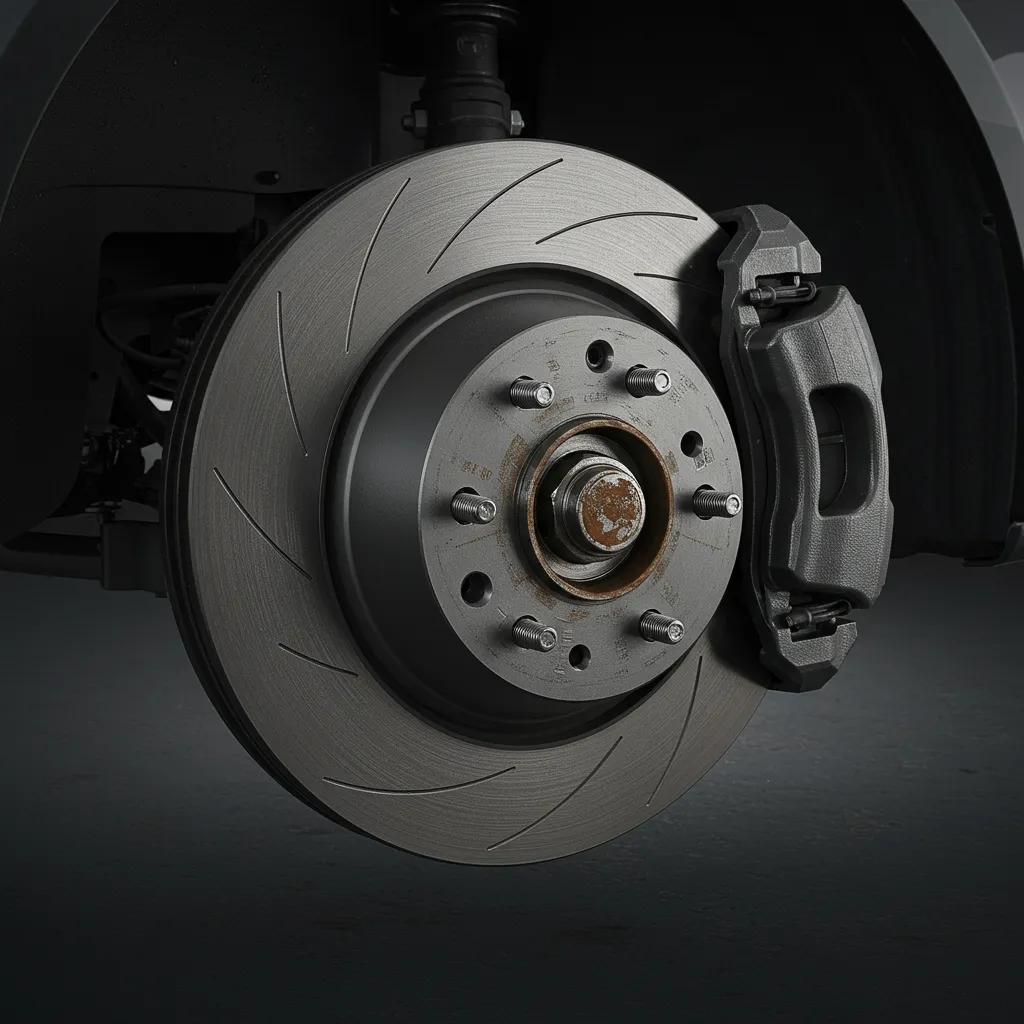
The brake system uses friction to safely reduce speed or bring a vehicle to a halt. Brake pads press against discs (rotors) through calipers, converting the vehicle’s kinetic energy into heat. Hydraulic brake fluid transmits the force from your foot on the pedal to the caliper pistons. Understanding terms like “master cylinder” and “brake lines” allows you to identify potential fluid leaks or worn pads before they compromise your safety.
What Are the Primary Electrical and Diagnostic Components in a Vehicle?
A vehicle’s electrical network includes the battery, alternator, starter motor, spark plugs, and ignition coils. The battery provides the initial electrical power, the alternator keeps it charged while the engine is running, and the starter motor engages to turn the engine over. On-board diagnostics (OBD-II) systems and sensors, such as oxygen sensors and mass-airflow (MAF) sensors, transmit performance data, enabling precise troubleshooting of issues like engine misfires or emissions system failures.
Automotive Diagnostics: Understanding Diagnostic Trouble Codes and Vehicle Information
The information obtained includes the following: model year (MY), make, model, engine number, and the Diagnostic Trouble Codes (DTCs) for all the vehicles covered in this report.
Specifications and analysis of digitized diagnostics of automobiles: a case study of on board diagnostic (OBD II), 2020
Which Tyre and Wheel Terms Are Crucial for Vehicle Upkeep?
Tyre tread depth is critical for maintaining grip, especially in wet conditions, while the construction of the sidewall influences ride comfort and how the vehicle handles. Wheels are available in alloy or steel, each offering distinct advantages in terms of strength and weight. Proper wheel alignment and tyre pressure monitoring systems (TPMS) are essential for ensuring even tyre wear and maximizing fuel efficiency.
What Are the Key Exhaust and Emissions System Parts?
Exhaust and emissions components are responsible for managing noise levels and reducing harmful pollutants. A catalytic converter converts hazardous gases into less toxic substances, while a muffler reduces exhaust sound. Diesel particulate filters (DPF) are used in diesel engines to capture soot, and lambda (oxygen) sensors help the engine management system fine-tune the air-fuel mixture for cleaner combustion.
How Do the Engine and Drivetrain Operate? Essential Terms Explained
The engine and drivetrain work together to convert fuel energy into motion and then transmit that power to the wheels. This complex process begins in the engine block, moves through pistons and shafts, and concludes with the differential distributing torque to the drive wheels.
What Is an Engine Block and What Is Its Function?
The engine block serves as the main housing, typically made of iron or aluminum, that contains the cylinders where combustion takes place. It supports the crankshaft and pistons, includes passages for coolant to regulate temperature, and forms the structural foundation of the powertrain. A damaged or cracked block can often lead to coolant leaks or low engine compression, necessitating professional diagnosis.
How Do Pistons, Crankshaft, and Camshaft Work in Harmony?
Pistons move vertically within the cylinders, and their up-and-down motion is converted into rotational force by the crankshaft. The camshaft, synchronized by a timing belt or chain, precisely controls the opening and closing of the intake and exhaust valves. This synchronized operation—where pistons drive the crankshaft and the camshaft regulates valve timing—is crucial for efficient combustion and power delivery.
What Distinguishes Automatic from Manual Transmissions?
Automatic and manual transmissions differ significantly in how gears are selected and the level of driver involvement required. Here’s a comparison to clarify the main differences:
| Transmission Type | Gear Engagement | Driver Interaction |
|---|---|---|
| Automatic | Gears shift automatically | Minimal use of pedals and gear selector |
| Manual | Driver manually selects gears | Requires operation of the clutch pedal |
Automatic transmissions utilize hydraulic or electronic systems to change gears smoothly, whereas manual gearboxes depend on the driver’s timing for clutch operation and gear selection. Understanding these distinctions is helpful when discussing transmission maintenance or repair needs.
How Does a Clutch Function, and When Does It Need Replacing?
In manual transmission vehicles, the clutch serves to disconnect the engine from the drivetrain, allowing for smooth gear changes. It operates using a friction disc that presses against the flywheel. Over time, the clutch plates can wear down, leading to issues like gear slippage, difficulty shifting, or a burning odor. Typical replacement intervals vary based on driving habits but generally fall between 60,000 and 100,000 miles.
What Is a Differential, and Why Is It Important for Your Vehicle?
A differential is a crucial component that allows the wheels on the same axle to rotate at different speeds, which is essential when turning. It ensures that torque is distributed effectively to the wheels while accommodating the varying distances they travel during a turn. A malfunctioning differential might produce whining sounds or noticeable vibrations, indicating a need for a gear oil change or component repair.
What Are Common Braking and Suspension Terms Every Driver Should Know?
Familiarizing yourself with brake and suspension terminology contributes to safer driving and a more comfortable ride. Key components include brake pads, discs, calipers, ABS modules, shock absorbers, struts, springs, and power steering parts.
What Are Brake Pads, Discs, and Calipers?
Brake pads are the friction material that presses against the discs (also known as rotors) via the calipers to slow the vehicle. Brake Pads → apply friction to → Brake Discs, and Calipers → press → Brake Pads. Indicators of pad wear or visible scoring on the discs signal when resurfacing or replacement is necessary.
How Does ABS (Anti-lock Braking System) Enhance Safety?
The ABS system prevents wheels from locking up during sudden braking by rapidly modulating brake pressure. Sensors monitor wheel speed, and the ABS control module pulses hydraulic pressure to maintain traction. This technology significantly improves steering control during emergency stops.
What Are Shock Absorbers, Struts, and Coil Springs?
Coil springs support the vehicle’s weight, while shock absorbers and struts are designed to control the oscillations of these springs. Together, these components absorb impacts from road imperfections and maintain consistent tyre contact with the road surface. Worn shocks can result in excessive bouncing and diminished handling stability.
How Does Power Steering Operate, and What Are Its Main Components?
Power steering systems use hydraulic or electric assistance to reduce the effort required to turn the steering wheel. A pump or motor generates the necessary pressure, which the steering rack then uses to amplify the driver’s input to the wheels. Identifying terms like “steering rack,” “power steering pump,” and “steering fluid” can help diagnose issues such as leaks or stiff steering.
When Should Brake and Suspension Parts Be Serviced or Replaced?
Brake pads and rotors typically require inspection during every oil change service (approximately every 5,000–10,000 miles). Suspension components should be checked annually or whenever you notice uneven tyre wear, the vehicle pulling to one side, or unusual noises. Consistent maintenance, especially in climates like Columbus, Ohio’s, ensures reliable performance throughout the year.
How Do Electrical and Diagnostic Systems Impact Vehicle Performance?
Electrical and diagnostic systems are responsible for powering ignition, charging, and various vehicle electronics, while also providing real-time data crucial for troubleshooting and maintenance.
What Are the Functions of the Battery, Alternator, and Starter Motor?
The battery serves as a storage unit for electrical energy, the alternator replenishes this charge once the engine is running, and the starter motor initiates the engine’s rotation. Alternator → charges → Battery and Battery → powers → Starter Motor. Symptoms such as dim headlights or a failure to start can indicate issues with the battery’s condition or the alternator belt.
How Do Spark Plugs and Ignition Coils Work Together?
Ignition coils convert the battery’s voltage into the high-voltage current needed for spark plugs to ignite the air-fuel mixture within the engine cylinders. Worn spark plugs or failing ignition coils can lead to engine misfires, rough idling, and reduced fuel efficiency.
What Are OBD-II Codes, and How Do They Aid in Diagnosing Problems?
On-board diagnostics II (OBD-II) codes are alphanumeric identifiers that the vehicle’s computer stores when a sensor or circuit operates outside its normal parameters. Mechanics use these codes to pinpoint specific issues, such as faults in oxygen sensors, engine misfires, or leaks within the evaporative emission system.
OBD-I and OBD-II: Decoding Diagnostic Trouble Codes
This still meant that a multitude of reference materials had to be kept on hand to help diagnose the meaning of the numeric trouble code for each platform. Another first in the OBD-1.5
Automotive Diagnostic Systems: Understanding OBD I and OBD II, 2011
What Are Common Sensor Types and Their Roles in a Vehicle?
Oxygen sensors monitor the amount of oxygen in the exhaust gases to ensure optimal combustion, while mass-airflow (MAF) sensors measure the volume of air entering the engine. Other sensors, like coolant temperature sensors and throttle position sensors, further refine engine performance and emissions control.
What Does the Check Engine Light Signify?
A check engine light illuminates when the engine management system detects a malfunction. This warning can indicate anything from a simple loose fuel cap to a more serious problem like catalytic converter failure. Addressing this warning promptly can help prevent minor issues from escalating into costly repairs.
What Are Essential Tyre and Wheel Terms for Vehicle Safety and Maintenance?
Tyres and wheels are critical for providing traction, influencing handling, and ensuring a comfortable ride. Key terms to monitor include tread depth, sidewall construction, wheel alignment, and the functionality of the TPMS.
Here’s a comparison of alloy and steel wheels:
| Wheel Type | Material | Strength |
|---|---|---|
| Alloy | Aluminum–magnesium alloy | Lightweight and responsive handling |
| Steel | High-strength steel | Durable and cost-effective |
Tyres require a minimum tread depth of 1.6 mm for safe traction in wet conditions, while the height of the sidewall affects ride cushioning and steering responsiveness. The tyre pressure monitoring system alerts you to underinflation, helping to prevent blowouts and improve fuel efficiency.
What Are Key Exhaust and Emissions Terms Every Car Owner Should Understand?
Exhaust and emissions components are designed to manage noise and reduce pollutants, ensuring compliance with regulations and protecting the environment. Important terms include catalytic converter, muffler, exhaust manifold, diesel particulate filter (DPF), and lambda sensor.
Here’s a list of primary exhaust system parts and their functions:
- Catalytic Converter – reduces harmful emissions by facilitating chemical reactions
- Muffler/Silencer – dampens exhaust noise using internal chambers and baffles
- Exhaust Manifold – collects exhaust gases from the engine cylinders and directs them
- Diesel Particulate Filter (DPF) – captures soot particles in diesel engine exhaust
- Lambda Sensor – measures oxygen levels in the exhaust to optimize fuel combustion
Each component plays a role in meeting emissions standards and maintaining engine efficiency, seamlessly integrating exhaust flow and sensor data for optimal performance.
How Can Understanding Auto Repair Terms Help You Maintain Your Vehicle?
Knowing automotive jargon empowers you to recognize potential issues early, accurately assess service needs, and communicate effectively with technicians at a Columbus, Ohio garage.
What Are Common Signs of Component Failure, and How Can You Spot Them?
Unusual noises, illuminated warning lights, vibrations, or fluid leaks often signal that a component is experiencing stress. For instance, a grinding sound during braking might indicate worn pads or warped rotors, while flickering dashboard lights could point to alternator problems.
When Is It Time to Service or Replace Key Vehicle Components?
Adhering to regular maintenance schedules—such as oil changes every 5,000 miles and brake inspections every 10,000 miles—helps address wear before it leads to failures. Always consult your vehicle manufacturer’s guidelines and adjust based on driving conditions, like towing or frequent stop-and-go traffic.
How Does Familiarity with Repair Jargon Improve Communication with Mechanics?
Using precise terminology—such as “caliper sticking” or “misfire on cylinder 3”—helps focus diagnostic efforts and speeds up the service process. It also demonstrates to technicians that you are informed, which can lead to clearer estimates and build trust.
What Are Basic Vehicle Maintenance Terms Every Car Owner Should Know?
Understanding terms like “fluid flush,” “belt tensioner,” “wheel alignment,” and “valve clearance” builds a practical maintenance vocabulary you can reference during each service appointment.
How Can You Use This Glossary to Prevent Costly Repairs?
By recognizing early warning signs—such as a check engine alert or uneven tyre wear—and understanding their implications, you can schedule timely preventive maintenance. This proactive approach reduces the risk of breakdowns and extends the lifespan of critical vehicle systems.
What Are Frequently Asked Questions About Auto Repair Terms?
What Are the Most Critical Car Parts for Owners to Understand?
Essential engine components (block, pistons), braking parts (pads, discs, ABS), electrical systems (battery, alternator, sensors), drivetrain elements (transmission, differential), and fundamental tyre/wheel knowledge form the core of any automotive glossary.
How Can I Identify Common Car Problems Using Repair Terminology?
Listen for sounds like grinding, squealing, or knocking, and then correlate these symptoms with specific parts—brake squeal often points to worn pads, engine knock might suggest low oil pressure, and check engine codes help pinpoint sensor or circuit issues.
What Is the Distinction Between Engine Oil and Transmission Fluid?
Engine oil lubricates and cools the internal components of the engine, while transmission fluid conditions friction materials, provides hydraulic pressure, and cools the gears within automatic or manual transmissions.
How Do Diagnostic Trouble Codes Assist in Car Repairs?
OBD-II codes act as direct communication from your vehicle’s computer, providing error numbers and descriptions that guide technicians to the specific components or systems requiring attention.
What Are the Different Types of Car Services and Their Associated Terms?
Standard services include oil and filter changes, brake inspections, tyre rotations, wheel alignments, and coolant flushes. More comprehensive services involve transmission services, spark plug replacements, and timing belt or chain replacements.
Understanding these terms equips you to effectively navigate maintenance schedules and service recommendations, ensuring your vehicle remains reliable and safe.
Whether you’re facing complex repairs or simply want to stay better informed, this glossary offers the clarity you need. Our Columbus, Ohio automotive center is prepared to apply this knowledge with precise maintenance and transparent communication, so you can drive with complete confidence.