Blackstone Mechanic — Suspension Maintenance Tips for a Safer, Smoother Ride in Columbus
Keeping your suspension in good shape is one of the simplest ways to improve comfort and control behind the wheel. A healthy suspension makes your ride smoother, helps your car handle predictably, and contributes to overall safety. This guide walks Columbus drivers through the parts to watch, common warning signs, and straightforward maintenance steps you can use to get more life from your suspension. We’ll also explain why picking a reliable local shop matters when repairs are needed.
Preventive maintenance — especially on roads that change with the seasons — helps protect your vehicle and extend its life.
Optimizing Preventive Maintenance for Suspension Reliability
On Heavy Dump (HD) vehicles, the suspension system is essential for stability, comfort and protecting the load when operating on rough or damaged roads. This study applies the Reliability-Centered Maintenance (RCM) method to plan preventive activities that reduce breakdowns and improve reliability.
Analysis of Preventive Maintenance on Heavy Dump Suspension Using Reliability-Centered Maintenance Method, SD Puspa, 2025
What Are the Key Components of Your Car's Suspension System?
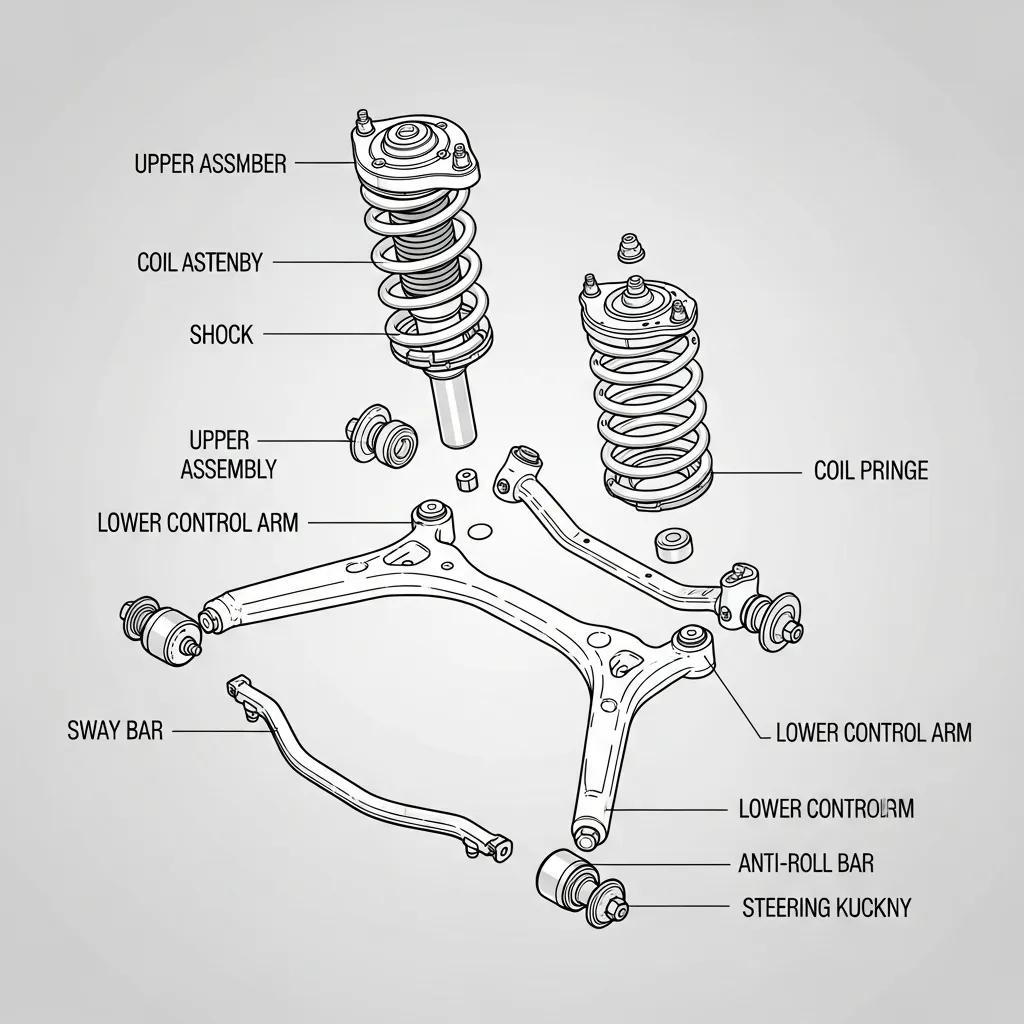
Your suspension is a group of parts that work together to keep the tires on the road and the ride comfortable. Knowing the major components makes it easier to spot trouble early. The main parts to watch are shocks and struts, springs, control arms, and ball joints — each plays a specific role in handling and safety.
How Do Shocks and Struts Affect Vehicle Handling?
Shocks and struts control how your vehicle responds to bumps and steady-state forces. Shocks dampen spring movement so the car doesn’t keep bouncing after a bump. Struts often carry part of the vehicle’s weight and are tied into the steering and alignment. Worn or leaking units compromise ride quality and can hurt braking and cornering stability.
What Roles Do Springs, Control Arms, and Ball Joints Play?
Springs absorb energy from road impacts and help keep tires in contact with the pavement. Control arms connect the suspension to the frame and guide wheel motion. Ball joints are pivot points that let suspension pieces move while keeping wheels aligned. When any of these wear out, steering can feel loose and tire wear often follows.
What Are the Common Signs of Suspension Problems in Columbus Vehicles?
Spotting suspension issues early can save money and keep you safer on the road. Columbus drivers should watch for a handful of common symptoms that usually point to suspension wear or damage.
How Does Uneven Tire Wear Indicate Suspension Issues?
Uneven tire wear is frequently a symptom of alignment or suspension problems. If tires are wearing faster on one edge, or showing irregular patterns, the suspension geometry or worn components are often the cause. Regular tire checks help you catch these problems before they lead to a blowout or major repair.
What Are the Symptoms of Worn Ball Joints and Control Arms?
Worn ball joints and control arms often produce clunks or knocking noises over bumps, sloppy steering, and uneven tire wear. If you notice steering that feels vague or hear unusual sounds when driving over rough spots, have the suspension inspected to prevent further damage.
How Can You Maintain Your Suspension System for Optimal Performance?
Routine care keeps your suspension working well longer. Columbus drivers can follow a few simple preventive steps to protect their ride and avoid expensive repairs down the road.
What Preventive Maintenance Tips Should Columbus Drivers Follow?
- Regular Inspections: Bring your vehicle in for periodic suspension checks to find worn parts before they fail.
- Check for Leaks and Damage: Look for oil on shocks or visible damage to struts — leaking or bent units need replacement, not service.
- Alignment Checks: Keep the alignment checked after hitting potholes or after suspension work to prevent uneven tire wear and unpredictable handling.
Following these simple steps helps preserve ride quality and extends the life of suspension parts.
When Is It Time for Shocks and Struts Replacement?
Replace shocks and struts when the ride becomes noticeably bouncy, you see leaking fluid, or handling feels degraded. As a general guideline, many vehicles need replacement between 50,000 and 100,000 miles, though harsh driving conditions can shorten that interval.
Why Choose Blackstone Complete Auto Care for Suspension Repair in Columbus?
When suspension work is required, trust matters. Blackstone Complete Auto Care in Columbus combines trained technicians, transparent service, and a customer-first approach to get you back on the road with confidence.
What Benefits Do ASE-Certified Technicians Provide?
Our ASE-certified technicians bring the training and hands-on experience to diagnose suspension issues properly and recommend the right repairs. That expertise reduces guesswork and helps ensure repairs are done correctly the first time.
How Do Blackstone's Warranty and Customer Services Stand Out?
Blackstone backs its work with a clear warranty and a focus on transparency. We explain needed repairs, show you the evidence, and stand behind the job so you can trust the outcome. Our goal is long-term relationships built on reliability and honest service.
How Does Columbus Road Condition Impact Your Vehicle's Suspension?
Local road conditions have a direct impact on how quickly suspension parts wear. Columbus streets with potholes and rough patches create extra stress that accelerates wear on shocks, struts, and mounts.
What Local Driving Factors Cause Suspension Wear and Tear?
Potholes, uneven surfaces and frequent curb impacts are common causes of accelerated suspension wear in Columbus. Avoiding rough patches when possible and slowing for damaged pavement reduces stress on suspension components.
How Can Regular Inspections Prevent Costly Repairs?
Regular inspections let technicians catch small issues — loosened bushings, slight leaks, or worn joints — before they turn into major failures. Early repairs are usually cheaper and keep your vehicle safer; scheduling checks at Blackstone makes that step easy and reliable.
Proactive checks and early fixes matter — research supports early detection as a key strategy to keep suspensions safe and reliable.
Predictive Maintenance for Suspension Safety & Reliability
Early detection of mechanical degradation, for example through vibration analysis, plays an important role in predictive maintenance strategies that boost both safety and reliability in automotive suspension systems.
Stochastic Modeling and Time‐
Frequency Analysis for Predictive Maintenance of Automotive Suspension Systems, L Fenga, 2025
What Should You Expect During a Suspension Diagnostic and Repair Service?
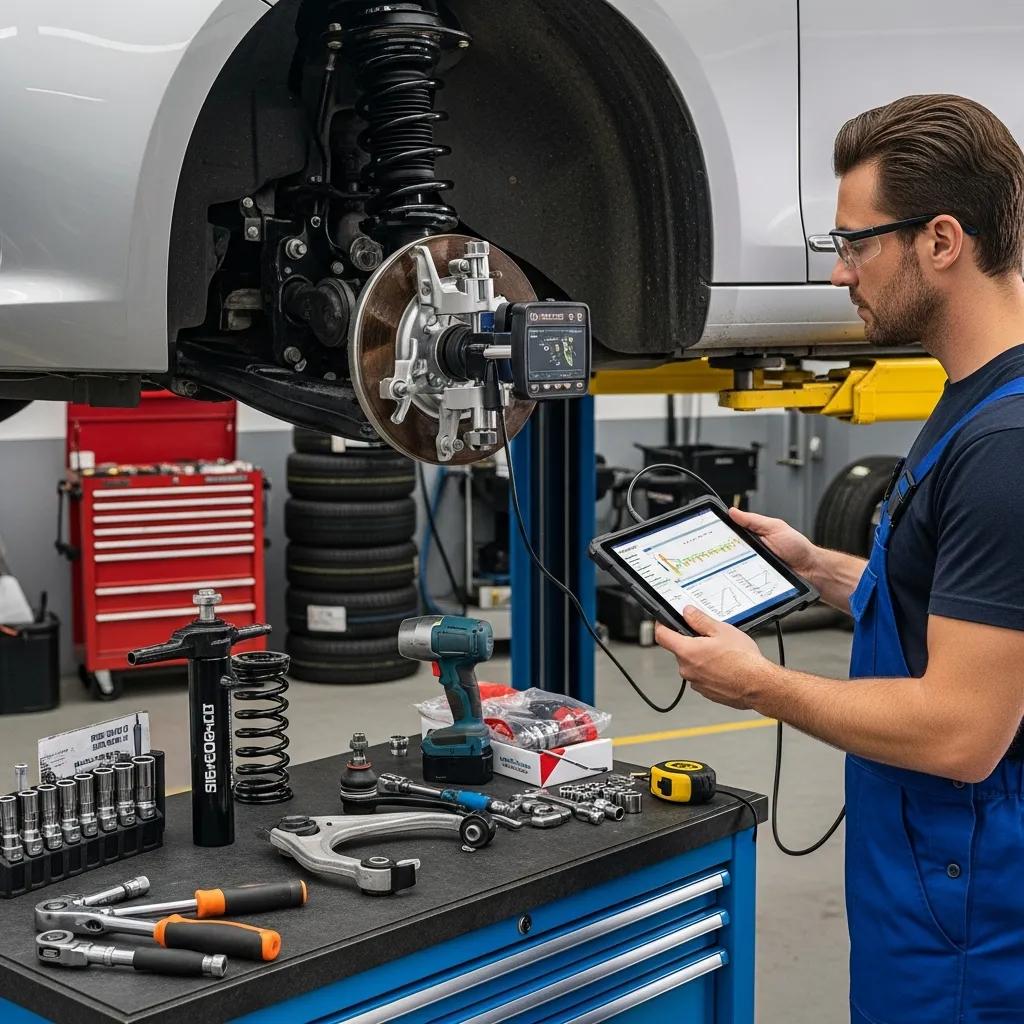
Knowing the steps of a diagnostic and repair visit helps you feel confident when you bring your vehicle in. At Blackstone, we follow a clear process so you understand what’s happening and why.
How Does Blackstone Use Advanced Diagnostic Tools?
We use modern diagnostic tools and inspection procedures to pinpoint suspension issues quickly and accurately. The right tools mean fewer surprises and more efficient repairs, so you spend less time in the shop and more time on the road.
What Are the Steps in Suspension Repair and Maintenance?
- Diagnosis: Technicians use inspection and diagnostic tools to identify worn or damaged suspension parts.
- Inspection: A hands-on check of related components determines the full extent of wear or damage.
- Repair or Replacement: Based on the findings, we repair or replace components to restore safe, predictable handling.
That step-by-step approach ensures repairs are thorough and focused on getting your suspension back to factory-like performance.
Frequently Asked Questions
What are the benefits of regular suspension maintenance?
Regular suspension maintenance improves ride comfort, keeps handling predictable, and prevents small problems from turning into expensive repairs. It also reduces uneven tire wear and helps maintain braking performance — all of which protect your safety and save money over time.
How can I tell if my vehicle needs a suspension inspection?
Look for a bumpy or overly bouncy ride, pulling to one side, clunking noises over bumps, or uneven tire wear. Any of those signs should prompt a suspension inspection so a technician can diagnose the cause before it worsens.
What is the average cost of suspension repair in Columbus?
Costs vary by vehicle and the parts involved. On average, suspension repairs in Columbus range from about $300 to $1,500 depending on whether parts must be replaced or adjustments are all that’s needed. For an accurate price, get a detailed estimate from a trusted shop.
How often should I have my suspension system inspected?
We recommend an inspection at least once a year or every 12,000 miles, whichever comes first. If you drive regularly on rough roads or notice any symptoms, have it checked sooner. Always follow your vehicle manufacturer’s recommendations as well.
Can driving habits affect the lifespan of my suspension system?
Yes. Aggressive driving — hard braking, fast cornering, and repeated impacts from potholes — speeds up wear. Smooth driving and avoiding rough pavement when you can will help suspension parts last longer.
What should I do if I notice a problem with my suspension?
If you hear unusual noises, feel handling changes, or experience a rough ride, schedule an inspection right away. Avoid driving if the issue feels severe — early diagnosis and repair protect safety and reduce repair costs.
Conclusion
Maintaining your suspension keeps your ride comfortable and your vehicle safe. By watching for warning signs, scheduling routine inspections, and choosing a trusted shop like Blackstone Complete Auto Care, Columbus drivers can extend component life and avoid unexpected breakdowns. Schedule a suspension inspection today to keep your ride smooth and dependable.