

Expert Timing Belt Replacement Services in Columbus, OH: Reliable Cost, Repair, and Maintenance Solutions
Timing belts are a crucial component of your vehicle’s engine, playing a vital role in maintaining engine timing and performance. Understanding the importance of timing belt replacement can help prevent severe engine damage and ensure your vehicle runs smoothly. In this article, we will explore the significance of timing belts, the signs of failure, and the expert timing belt replacement services offered by Blackstone Complete Auto Care LLC in Columbus, OH. We will also discuss the costs associated with these services and how vehicle owners can maintain their timing belts for longevity.
What Is a Timing Belt and Why Is Its Replacement Crucial?
A timing belt is a rubber belt that synchronizes the rotation of the crankshaft and camshaft in an internal combustion engine. This synchronization is essential for the engine’s valves to open and close at the correct times during each cylinder’s intake and exhaust strokes. If the timing belt fails, it can lead to catastrophic engine damage, including bent valves and damaged pistons. Regular replacement of the timing belt is crucial to prevent such failures and maintain engine performance.
How Does the Timing Belt Affect Engine Performance?
The timing belt directly impacts engine performance by ensuring that the engine’s timing is precise. If the timing belt is worn or damaged, it can cause the engine to run poorly, leading to decreased fuel efficiency and power loss. A properly functioning timing belt helps maintain optimal engine performance, ensuring that the vehicle operates smoothly and efficiently.
What Are the Recommended Replacement Intervals for Timing Belts?
Most manufacturers recommend replacing the timing belt every 60,000 to 100,000 miles, depending on the vehicle model and driving conditions. Factors such as engine type, driving habits, and environmental conditions can influence the timing belt’s lifespan. Regular inspections and adherence to the manufacturer’s guidelines are essential for timely replacement.
What Are the Common Signs and Symptoms of Timing Belt Failure?
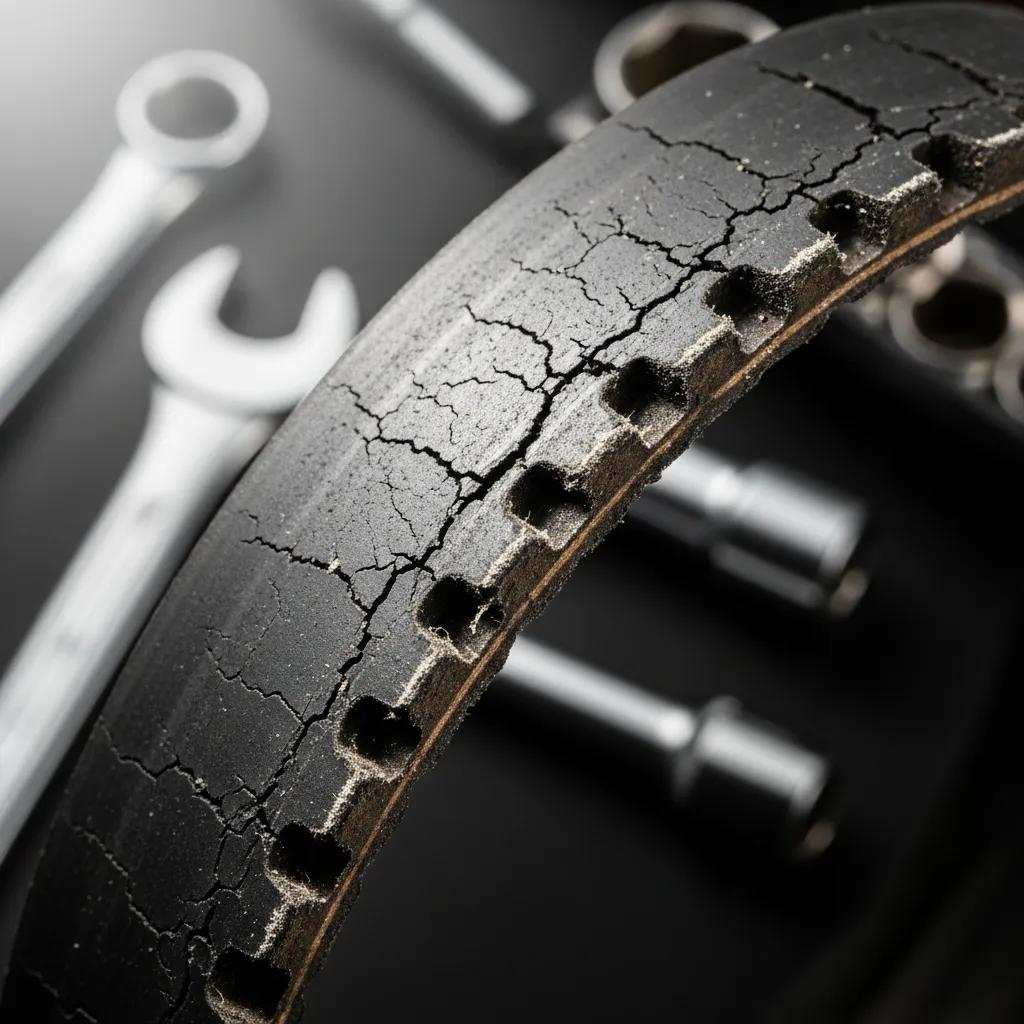
Recognizing the signs of timing belt failure can save vehicle owners from costly repairs and engine damage.
- Unusual Noises: A ticking or slapping noise from the engine may indicate a loose or worn timing belt.
- Engine Misfires: If the timing belt is not functioning correctly, it can cause the engine to misfire, leading to rough idling and poor acceleration.
- Oil Leaks: Oil leaks near the timing belt cover can signal a failing timing belt or related components.
Further research highlights advanced methods for diagnosing specific timing belt failures and preventing extensive engine damage.
Automotive Timing Belt Failure Diagnosis & Prevention
In this study, a novel failure diagnostic system for timing belts was developed in order to prevent a catastrophic belt failure. These failures may occur before running out the nominal belt life and lead to an extensive engine damage, thereby resulting costly repairs. Timing belt failures are generally resulted from three reasons, that is, lack of a tooth, fiber separation on belt sides, and teeth splitting. Three optical sensors with laser beam whose diameter is 0.6 mm was located on suitable positions and it is used to produce error signal resulted from disturbance of laser beam flows due to failure. The error signal is processed by the processor, which is independent from the electronic control unit (ECU) to alert the driver or ECU, directly. Experimental apparatus which consists of two camshaft pulleys and an idler pulley with belt tensioner has been set up to simulate real engine conditions. Experimental results show that the optical monitoring technique is reliable to determine timing belt failure types simultaneously in the range of 500–7000 rpm engine speed and it is also easier, low cost and more applicable than other methods such as vibration monitoring.
A novel failure diagnosis system design for automotive timing belts, M Ucar, 2014
How to Identify Engine Noises and Performance Issues Related to Timing Belt Wear
Engine noises such as ticking or grinding can be indicative of timing belt wear. These sounds often arise when the belt is loose or when the tensioner is failing. Additionally, performance issues like stalling or difficulty starting the engine can also signal timing belt problems.
Beyond audible cues, advanced studies explore vibration analysis as a sophisticated method for detecting various timing belt faults and monitoring their health.
Vibration-Based Timing Belt Fault Detection & Health Monitoring
This study presents the development of a vibration-based health monitoring system for internal combustion engine timing belts using advanced signal processing, statistical feature extraction, and artificial neural network (ANN) classification. Vibration signals were captured under six belt conditions one healthy and five faulty (Tooth Crack, Back Crack, Wear, Separated Tooth, and Oil Pollution)—and analyzed in the time, frequency, and time–frequency domains. Six statistical features (standard deviation, kurtosis, FM4, impulse factor, crest factor, and skewness) were extracted from each signal to characterize fault behaviour. The classification task was modelled as a multi-class problem, and results were fused using Dempster–Shafer Theory (DST) to improve diagnostic reliability. Analysis revealed that Separated Tooth and Oil Pollution were the most severe faults, exhibiting the highest deviations across all domains, while Wear showed signs of progressive degradation.
DEVELOPMENT AND TESTING OF A TIMING BELT FAILURE DETECTION SYSTEM BASED ON VIBRATION SIGNALS IN INTERNAL COMBUSTION ENGINE, SA ALIYU, 2025
Can Ignoring Timing Belt Symptoms Lead to Severe Engine Damage?
Yes, neglecting the symptoms of a failing timing belt can lead to severe engine damage. If the timing belt breaks while the engine is running, it can cause the pistons to collide with the valves, resulting in bent valves and extensive engine repairs. Timely replacement is essential to avoid these costly consequences.
How Does Blackstone Complete Auto Care Perform Expert Timing Belt Replacement in Columbus?
At Blackstone Complete Auto Care LLC, we pride ourselves on providing expert timing belt replacement services. Our certified technicians follow a comprehensive process to ensure that your timing belt is replaced correctly and efficiently.
What Is the Step-by-Step Timing Belt Replacement Process?
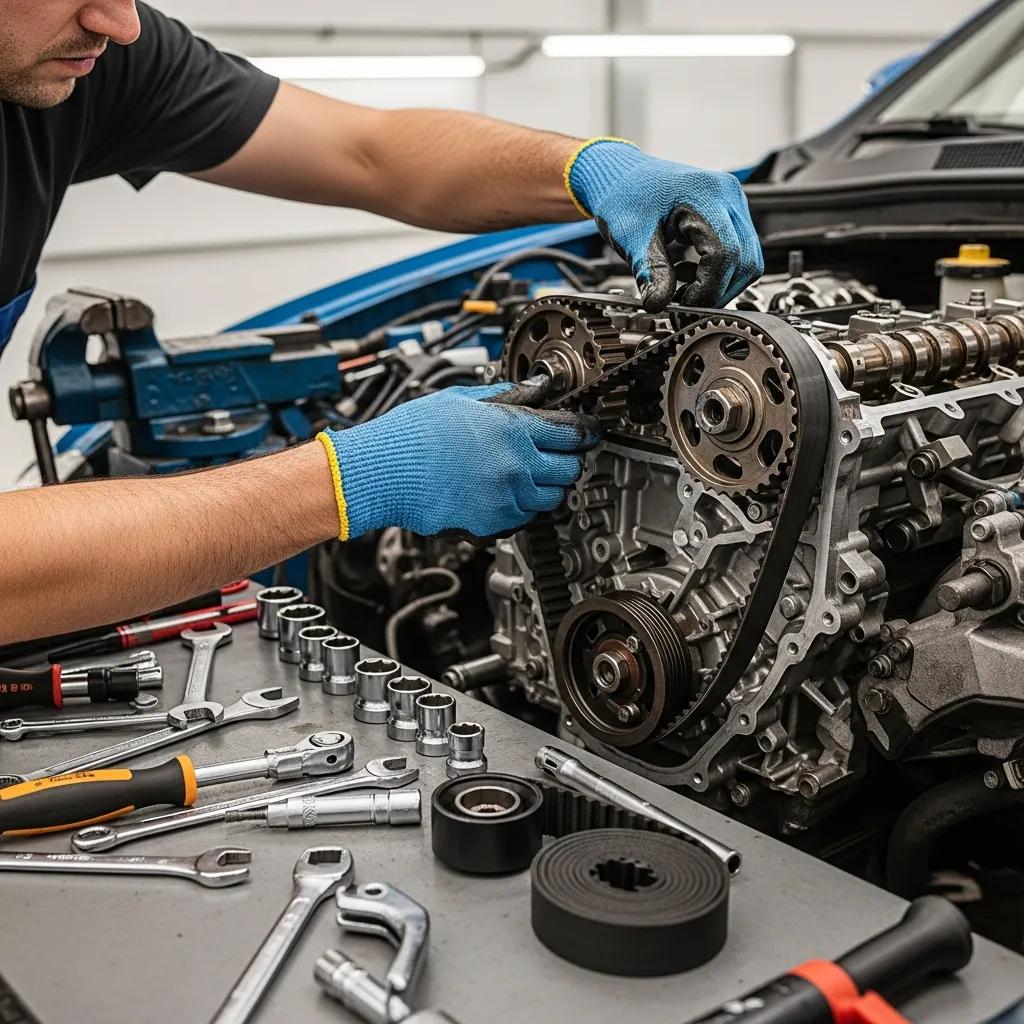
The timing belt replacement process typically involves the following steps:
- Inspection: The technician inspects the timing belt and related components for wear and damage.
- Removal: The old timing belt is carefully removed, along with any necessary components such as the water pump or tensioner.
- Installation: A new timing belt is installed, ensuring proper alignment and tension.
- Testing: The engine is tested to ensure that it runs smoothly and that the timing is correct.
Which Certified Technicians and Quality Parts Are Used in Our Service?
Our team consists of certified technicians who are trained in the latest automotive repair techniques. We use high-quality parts that meet or exceed OEM specifications, ensuring that your timing belt replacement is reliable and long-lasting.
What Are the Timing Belt Replacement Costs and Warranty Details in Columbus, OH?
Understanding the costs associated with timing belt replacement can help vehicle owners budget for this essential service.
How Is Pricing Structured for Timing Belt Replacement Services?
The cost of timing belt replacement can vary based on several factors, including the make and model of the vehicle, the complexity of the replacement, and any additional services required. On average, timing belt replacement services can range from $300 to $1,000 or more, depending on the vehicle and labor rates.
What Warranty and Service Guarantees Does Blackstone Offer?
At Blackstone Complete Auto Care, we offer a warranty on our timing belt replacement services, providing peace of mind to our customers. Our warranty typically covers parts and labor for a specified period, ensuring that you receive quality service and support.
How Can Vehicle Owners Maintain Their Timing Belt for Engine Longevity?
Proper maintenance of the timing belt can extend its lifespan and prevent premature failure.
What Are Best Practices for Timing Belt Maintenance and Inspection?
Vehicle owners should regularly inspect their timing belts for signs of wear, such as cracks or fraying. Additionally, following the manufacturer’s recommended maintenance schedule for timing belt replacement is crucial.
How Does Regular Maintenance Prevent Costly Engine Timing Repairs?
Regular maintenance can help identify potential issues before they lead to significant engine damage. By replacing the timing belt at the recommended intervals and addressing any signs of wear promptly, vehicle owners can avoid costly repairs and ensure their engine runs smoothly.
How to Schedule Your Timing Belt Replacement Appointment at Blackstone in Columbus?
Scheduling a timing belt replacement appointment at Blackstone Complete Auto Care is simple and convenient.
What Are the Available Appointment Options and Service Areas?
We offer flexible appointment options to accommodate our customers’ busy schedules. Our service areas include Columbus and the surrounding regions, ensuring that you can access our expert services easily.
How Can Customers Contact Blackstone for Expert Timing Belt Services?
Customers can contact Blackstone Complete Auto Care through our website or by phone to schedule an appointment for timing belt replacement services. Our friendly staff is ready to assist you with any questions or concerns you may have.
| Service | Description | Cost Estimate |
|---|---|---|
| Timing Belt Replacement | Comprehensive replacement service including inspection and testing | $300 – $1,000+ |
| Timing Belt Inspection | Visual inspection of the timing belt and related components | $50 – $100 |
| Additional Services | Water pump replacement, tensioner replacement, etc. | Varies based on service |
This table outlines the various services related to timing belt replacement, providing clarity on costs and options available to vehicle owners. Regular maintenance and timely replacement can significantly enhance engine performance and longevity.