

Auto Repair FAQs for Columbus Area | Blackstone Complete Auto Care
Understanding auto repair can be daunting for many vehicle owners, especially in the Columbus area where specific local conditions and regulations apply. This article aims to clarify common auto repair questions, providing valuable insights into maintenance, diagnostics, and customer rights. By addressing these frequently asked questions, we hope to empower vehicle owners with the knowledge they need to make informed decisions about their auto care. From oil changes to understanding warning lights, this guide covers essential topics that every car owner should know. We will explore how often to change oil, what the check engine light means, when to replace brakes and tires, preventative maintenance tips, customer rights in Ohio, and common electrical issues.
How Often Should I Change My Car's Oil in Columbus?
Changing your car’s oil is crucial for maintaining engine health and performance. In Columbus, the recommended oil change interval typically ranges from 5,000 to 7,500 miles for most modern vehicles using synthetic oil, though some conventional oils may require changes closer to 3,000 to 5,000 miles. Regular oil changes help ensure that your engine runs smoothly and efficiently, reducing wear and tear over time. Factors such as driving conditions, vehicle age, and oil type can significantly influence how often you should change your oil.
What Factors Affect Oil Change Intervals?
- Driving Conditions: Frequent short trips, stop-and-go traffic, and extreme temperatures can necessitate more frequent oil changes.
- Vehicle Age: Older vehicles may require more frequent oil changes due to increased wear on engine components.
- Oil Type: Synthetic oils generally last longer than conventional oils, allowing for extended intervals between changes.
What Are the Differences Between Synthetic and Conventional Oil?
- Cost: Synthetic oils are typically more expensive than conventional oils.
- Performance: Synthetic oils offer better performance in extreme temperatures and provide superior engine protection.
- Longevity: Synthetic oils tend to last longer, allowing for extended oil change intervals.
While synthetic oils are often perceived to offer superior performance and extended intervals, historical evaluations have also explored the practical and economic implications of these differences.
Synthetic vs. Conventional Engine Oil: Change Intervals & Cost
A five-vehicle, 64 000-km test with 7.45 litre V-8 engines was conducted to determine if synthetic engine oils provided performance sufficiently superior to that of conventional engine oils to permit longer oil change intervals. Based on these data, it was concluded that synthetic engine oils do not provide the necessary performance required to safely recommend their use for extended oil change intervals. In addition, a cost analysis shows that the use of synthetic engine oils, even at a change interval of 32 000 km, will essentially double the customers’ cost compared with conventional engine oils at GM’s current 12 000-km change interval.
Vehicle Evaluation of Synthetic and Conventional Engine Oils, 1975
What Does My Check Engine Light Mean in Columbus?
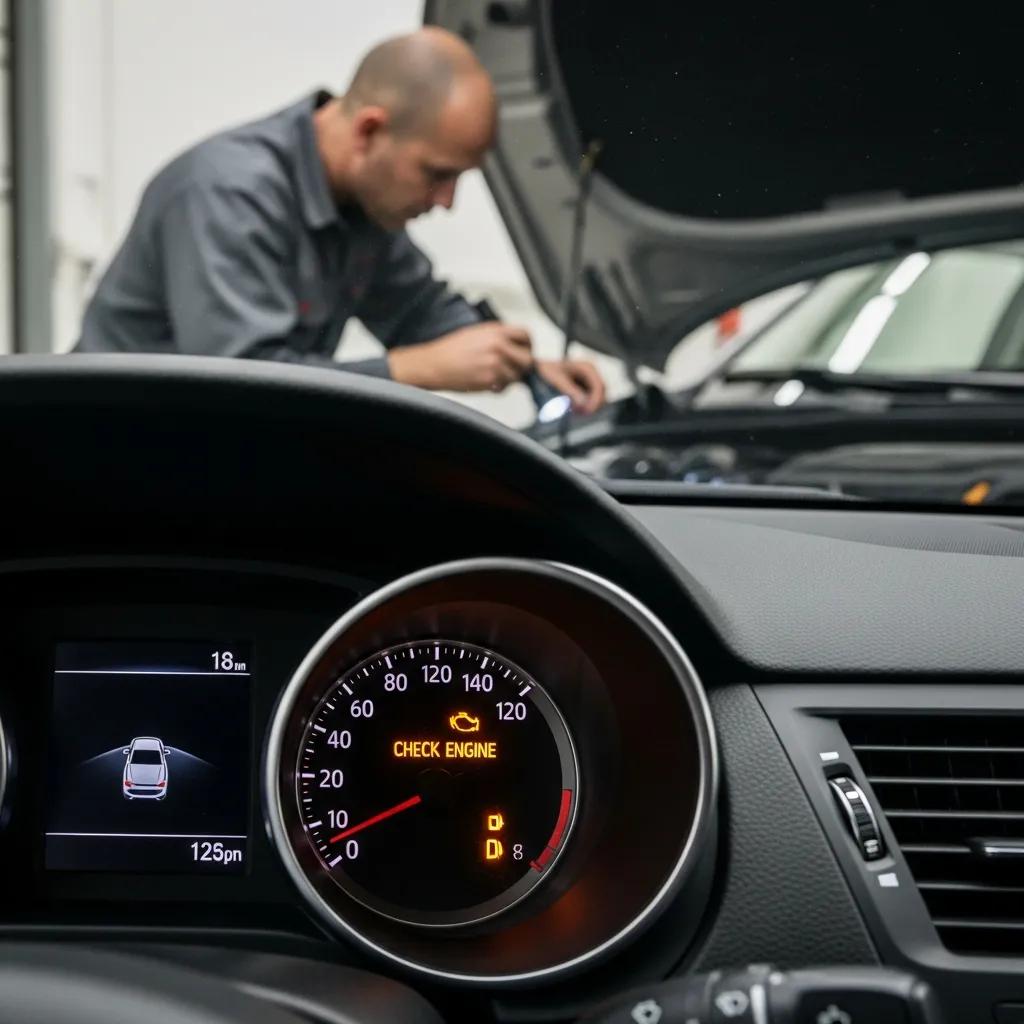
The check engine light is a critical warning indicator that signals potential issues with your vehicle. Ignoring this light can lead to more severe problems down the line. In Columbus, it’s essential to understand what might trigger this warning and how to address it promptly.
What Common Issues Trigger the Check Engine Light?
- Oxygen Sensor: A faulty oxygen sensor can lead to poor fuel economy and increased emissions.
- Catalytic Converter: Problems with the catalytic converter can affect engine performance and emissions.
- Loose Gas Cap: A loose or damaged gas cap can trigger the check engine light, indicating a potential fuel vapor leak.
How Does Blackstone Diagnose and Repair Check Engine Problems?
At Blackstone Complete Auto Care, we utilize advanced diagnostic tools to identify the root cause of check engine light issues. Our experienced technicians follow a systematic approach:
- Diagnostic Tools: We use state-of-the-art diagnostic equipment to read error codes from your vehicle’s computer.
- Expertise of Technicians: Our skilled technicians analyze the data to pinpoint the exact issue.
- Repair Process: Once diagnosed, we provide a detailed report and recommend necessary repairs to restore your vehicle’s performance.
The complexity of modern automotive systems underscores the critical role of advanced diagnostic techniques in accurately identifying and resolving vehicle issues.
Advanced Automotive Fault Diagnosis & Maintenance
Diagnostics, or faultfinding, is an essential part of an automotive technician’s work, and as automotive systems become increasingly complex there is a greater need for good diagnostic techniques.
Advanced automotive fault diagnosis: automotive technology: vehicle maintenance and repair, 2020
When Should I Replace My Brakes and Tires?
Regularly checking your brakes and tires is vital for safe driving. Knowing when to replace these components can prevent accidents and costly repairs.
What Are the Signs of Brake Wear and When to Repair?
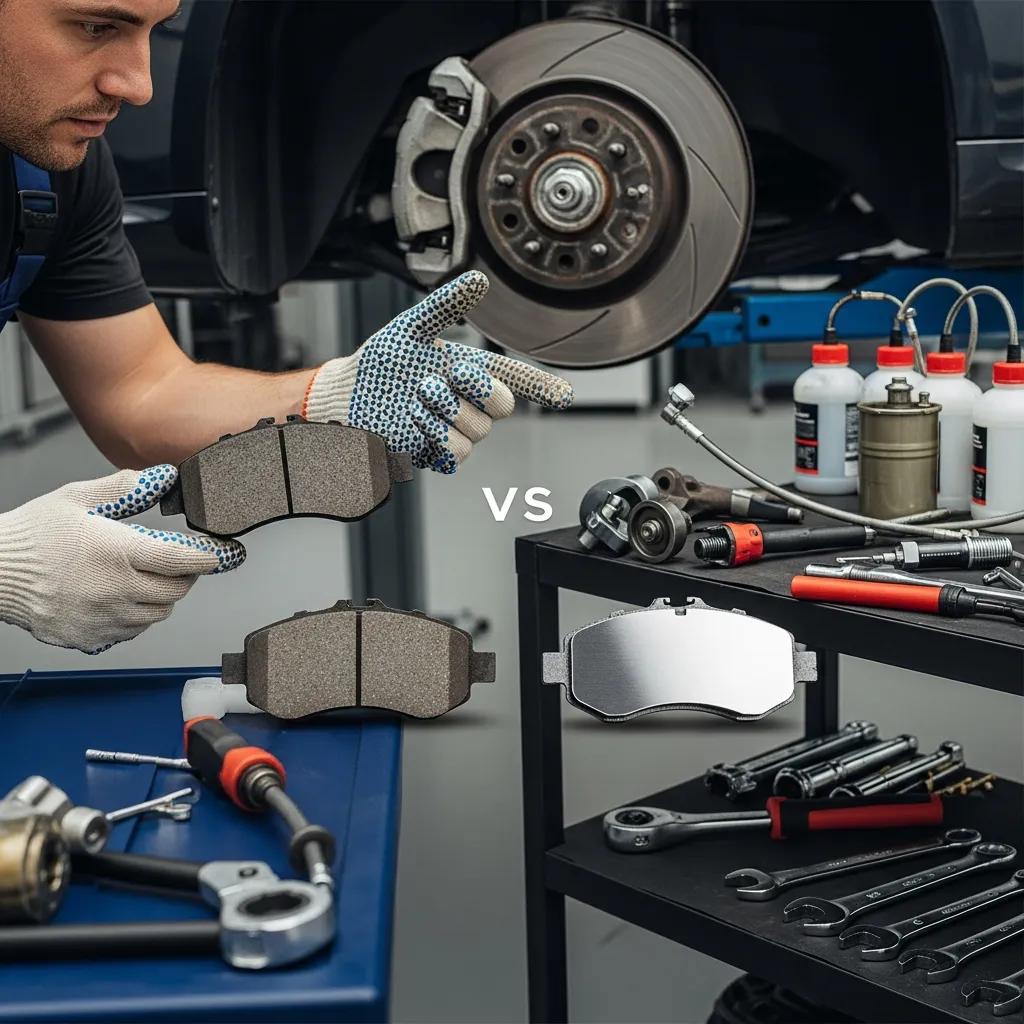
- Squeaking Sounds: High-pitched noises can indicate worn brake pads.
- Vibration: If you feel vibrations when braking, it may signal warped rotors.
- Warning Lights: Dashboard warning lights can indicate brake system issues.
How Do I Know When to Replace Tires and Check Tire Pressure?
- Tread Depth Indicators: Use the penny test; if you can see the top of Lincoln’s head, it’s time to replace your tires.
- Pressure Gauges: Regularly check tire pressure to ensure optimal performance and fuel efficiency.
- Seasonal Considerations: In Columbus, consider switching to winter tires for better traction in snowy and icy conditions.
What Preventative Maintenance Should I Follow in Columbus?
Preventative maintenance is key to extending the life of your vehicle and ensuring its reliability. Regular checks can help identify potential issues before they become significant problems.
Why Is Preventative Maintenance Important for Vehicle Longevity?
- Cost Savings: Regular maintenance can prevent costly repairs down the line.
- Safety: Keeping your vehicle in good condition ensures safer driving.
- Performance: Regular checks help maintain optimal vehicle performance.
What Seasonal Maintenance Is Recommended for Columbus Weather?
- Winter Preparation: Check antifreeze levels and battery health before winter.
- Summer Checks: Ensure your air conditioning system is functioning properly.
- Fluid Levels: Regularly check and top off all essential fluids, including oil, brake fluid, and coolant.
At Blackstone Complete Auto Care, we offer comprehensive preventative maintenance services tailored to your vehicle’s needs. Our experienced technicians can help you schedule regular check-ups to keep your vehicle running smoothly.
What Are My Rights as an Auto Repair Customer in Ohio?
As a consumer in Ohio, it’s essential to understand your rights regarding auto repairs. Knowing these rights can help you navigate the repair process with confidence.
What Does Ohio's Repairs and Services Rule Require from Repair Shops?
- Written Estimates: Customers must receive a written estimate before any work is performed.
- Consent for Repairs: Shops must obtain customer consent for any repairs beyond the initial estimate.
- Detailed Invoices: Customers should receive a detailed invoice outlining all services performed and parts used.
Beyond specific state regulations, broader discussions around consumer rights in auto repair often involve ‘Right to Repair’ legislation.
Right to Repair Legislation for Automotive Services
bill was drafted specifically to cover only automotive repairs; however, it is structured in much the same way as the current Right to Repair legislation.
Defending the right to repair: An argument for federal legislation guaranteeing the right to repair, 2019
How Does Blackstone Ensure Transparency and Trust in Repairs?
- Clear Communication: We explain all repairs and services in detail before proceeding.
- Detailed Reports: Customers receive comprehensive reports on the work performed.
- Customer Feedback: We encourage customer feedback to continuously improve our services.
What Electrical and Battery Issues Should I Watch For?
Electrical and battery problems can lead to significant vehicle issues if not addressed promptly. Understanding common signs can help you stay ahead of potential failures.
How Long Do Car Batteries Typically Last in Columbus?
In Columbus, car batteries generally last between 3 to 5 years, depending on usage and environmental conditions. Regular checks can help you avoid unexpected failures.
What Are Common Electrical Problems and How Are They Diagnosed?
- Dead Battery: Often caused by leaving lights on or a faulty alternator.
- Faulty Alternator: Can lead to battery drain and electrical system failures.
- Wiring Issues: Damaged or corroded wiring can cause various electrical problems.
At Blackstone Complete Auto Care, our technicians are equipped to diagnose and repair electrical issues efficiently, ensuring your vehicle remains reliable and safe on the road.