
Best Auto Shop Services for Reliable Car Repair Near Me
Reliable auto shop services keep vehicles safe, efficient, and roadworthy by combining routine maintenance, targeted repairs, and modern diagnostics into predictable, repeatable processes. This article explains what contemporary auto shops do, why specific services matter for vehicle longevity and safety, and how to evaluate local car repair specialists when searching for “car repair near me” or “best auto repair shops.” Many drivers face uncertainty about timing, costs, and specialized work for EVs or ADAS-equipped vehicles; this guide resolves those uncertainties with clear definitions, signs to watch for, and practical next steps. You will find focused sections on routine maintenance, selection criteria for the best shops, brake symptoms and repairs, emerging specialized services like EV/hybrid repair and ADAS calibration, emergency and roadside assistance, and transparent pricing and estimate practices. Read on for checklists, symptom-to-solution guidance, EV comparison tables, and actionable advice to help you choose trusted auto service nearby while understanding the technical reasons behind each recommendation.
What Are the Most Common Auto Maintenance Services Offered?
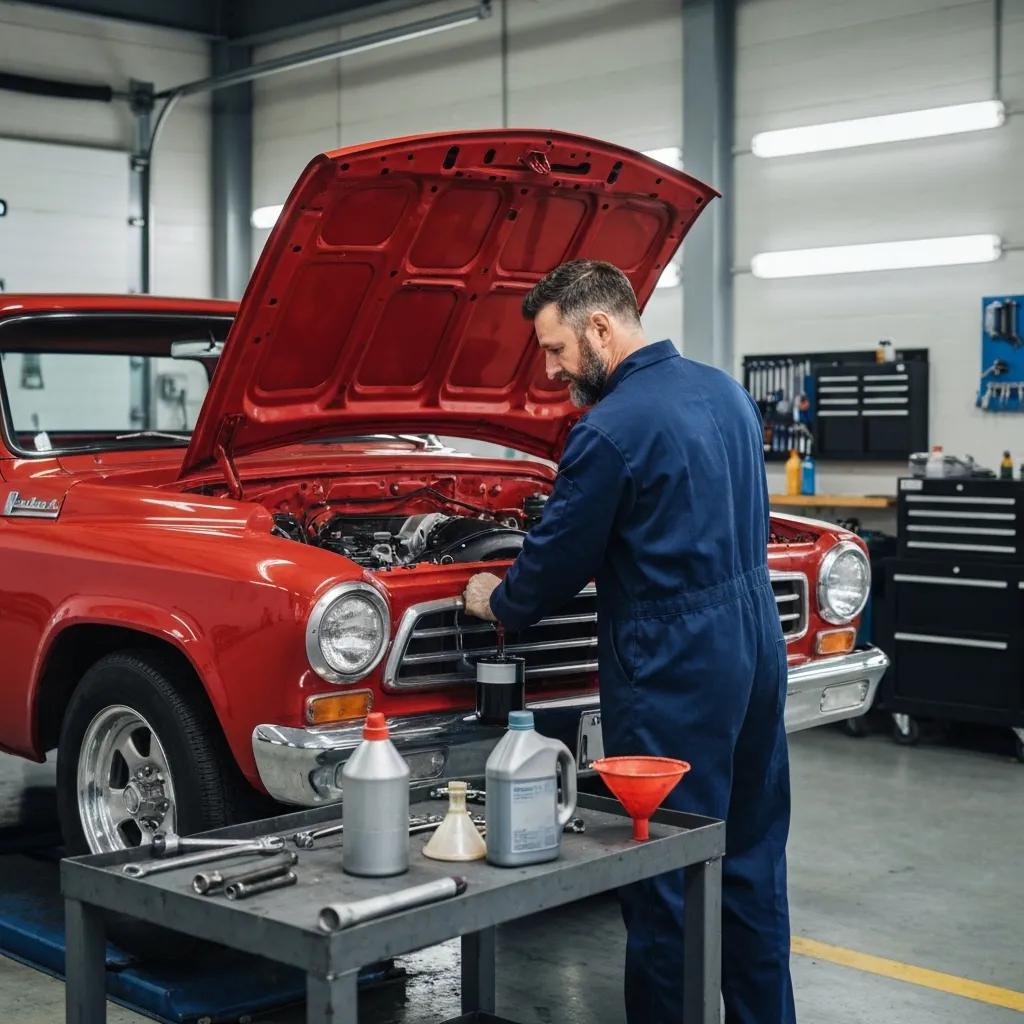
Most auto shops offer a core set of routine maintenance services that prevent larger failures by addressing wear items and fluids on a scheduled basis. These services work through predictable mechanisms—fresh oil reduces friction and heat, tire rotation evens tread wear, and fluid exchanges protect hydraulic and cooling systems—delivering measurable benefits such as improved fuel economy, safer handling, and prolonged component life. Understanding these routine tasks helps drivers prioritize service intervals and recognize early-warning indicators that a shop visit is needed. The next paragraphs list the most common services and compare typical intervals, costs, and benefits so you can make cost-effective maintenance decisions.
Common routine services include the following:
- Oil change service: Replaces engine oil and filter to restore lubrication and thermal control.
- Tire rotation and balancing: Moves tires to even tread wear and balances wheels for smooth ride quality.
- Multi-point inspection and fluid checks: Assesses brakes, belts, hoses, and checks fluids to catch issues early.
- Brake inspection and service: Measures pad thickness and inspects rotors and hardware to maintain stopping performance.
These routine services reduce the chance of roadside breakdowns and extend the useful life of major systems, leading naturally into a concise comparison of intervals, costs, and practical benefits for common maintenance items.
Routine maintenance intervals, cost ranges, and benefits are summarized below to help drivers plan service frequency and budget accordingly.
| Service | Typical Interval | Cost Range & Primary Benefit |
|---|---|---|
| Oil change (conventional/synthetic) | 3,000–10,000 miles depending on oil type and manufacturer | $30–$100; improves engine lubrication, fuel economy, and reduces wear |
| Tire rotation & balancing | 5,000–8,000 miles or with oil changes | $20–$60; extends tire life and improves handling stability |
| Brake inspection | 6,000–12,000 miles or when symptoms appear | $0–$50 for inspection; prevents safety-critical failure and informs needed repairs |
| Multi-point inspection & fluid check | Annually or during major services | $50–$150; identifies wear items and avoids cascading damage |
This table clarifies expected intervals and why each service matters, enabling drivers to prioritize maintenance based on usage patterns and vehicle type before moving on to deeper explanations of oil changes and tire care.
How Does an Oil Change Service Improve Vehicle Performance?
An oil change improves vehicle performance by removing degraded lubricant and replacing it with fresh oil that restores proper viscosity, improves heat transfer, and reduces friction among moving engine parts. Technically, clean oil maintains a protective film on bearings and piston rings, limits metal-on-metal contact, and helps disperse combustion byproducts that would otherwise accelerate wear; replacing the oil filter simultaneously removes contaminants that shorten engine life. Drivers see tangible results: reduced engine noise, stabilized idle, improved fuel economy, and often a lower chance of overheating in strenuous driving. Recognizing when an oil change is overdue—dark, gritty oil on dipstick, engine knocking, or warning indicators—allows for timely service and prevents costly repairs. Understanding oil types (conventional vs synthetic) and manufacturer interval guidance leads into how tire rotation and balancing complement drivetrain and suspension longevity.
Why Is Regular Tire Rotation and Balancing Important?
Regular tire rotation and balancing preserve even tread wear and maintain handling characteristics by redistributing load patterns caused by drivetrain forces, vehicle alignment, and cornering. Rotation follows patterns (front-to-back, cross-rotation depending on directional tires) to ensure all tires share wear, while balancing corrects weight distribution on the wheel assembly so vibrations and steering pull are minimized. The outcome is longer tire life, improved fuel economy, and more predictable traction in wet or emergency maneuvers; indicators that rotation or balancing are needed include uneven wear, vibration at speed, or steering shimmy. Combining rotation with occasional wheel alignment optimizes the suspension and prevents premature wear, which naturally leads to deciding how to find the best local providers to perform these tasks.
How Can You Find the Best Auto Repair Shops Near Me?
Finding the best auto repair shop involves evaluating objective trust signals, service transparency, and technical capability to handle your vehicle’s specific needs. Shops that combine verified certifications, clear written estimates, visible warranty policies, and consistent positive reviews typically deliver better outcomes because they balance technician skill with customer communication. A practical checklist helps filter options quickly and surfaces red flags like inconsistent pricing, lack of documentation, or poor review responses. The paragraphs below explain which certifications matter, how to read reviews, and what to prioritize during initial contact so you can select a trusted auto service nearby.
Use this step-by-step checklist when evaluating local repair shops:
- Verify certifications and training: Look for ASE credentials and manufacturer or EV-specific training indicators.
- Check reviews and complaint resolution: Read recent reviews for recurring themes about quality, punctuality, and communication.
- Request written estimates and warranty details: Ensure the estimate lists parts, labor, and diagnostic fees with warranty terms.
- Confirm diagnostic and equipment capability: Ask if the shop performs ADAS calibration or EV battery diagnostics when relevant.
Applying this checklist reduces selection risk and helps you compare shops on consistent criteria; the next section explains which certifications and training are most meaningful and how they translate into service quality.
What Certifications Should You Look for in a Mechanic?
Certifications signal that a technician has met industry standards for knowledge and hands-on skill; ASE certification is a widely recognized credential that covers engine, brakes, electrical, and other specialties, while manufacturer-specific training ensures competence with particular vehicle makes. For EVs and hybrids, look for evidence of high-voltage safety training or OEM electric-vehicle programs; these credentials matter because high-voltage systems and battery diagnostics require specialized procedures and protective equipment. Verification methods include asking to see certification cards, training records, or confirming that the shop lists accredited training on service materials; technicians with ongoing education are more likely to follow safety protocols and diagnostic workflows. Understanding certification types clarifies why some providers can justify higher labor rates and leads naturally to how to interpret customer reviews in context.
How Do Customer Reviews and Ratings Influence Auto Shop Choice?
Customer reviews and aggregated ratings reveal consistent service patterns and operational reliability; star ratings indicate general sentiment while detailed comments expose recurring strengths or problems such as missed deadlines, poor communication, or exemplary workmanship. When evaluating reviews, prioritize recent feedback, repeated mentions of the same issue (positive or negative), and the shop’s responsiveness to complaints—shops that publicly resolve disputes demonstrate better customer care. Beware of reviews that are overly generic or concentrated in a short time span, and cross-check multiple platforms to reduce bias; combining review analysis with certification checks and written estimates provides a fuller picture of a shop’s trustworthiness. This approach prepares you to recognize urgent brake problems and decide when to seek immediate repair, which the next section addresses.
What Are the Signs You Need Brake Repair Near Me?
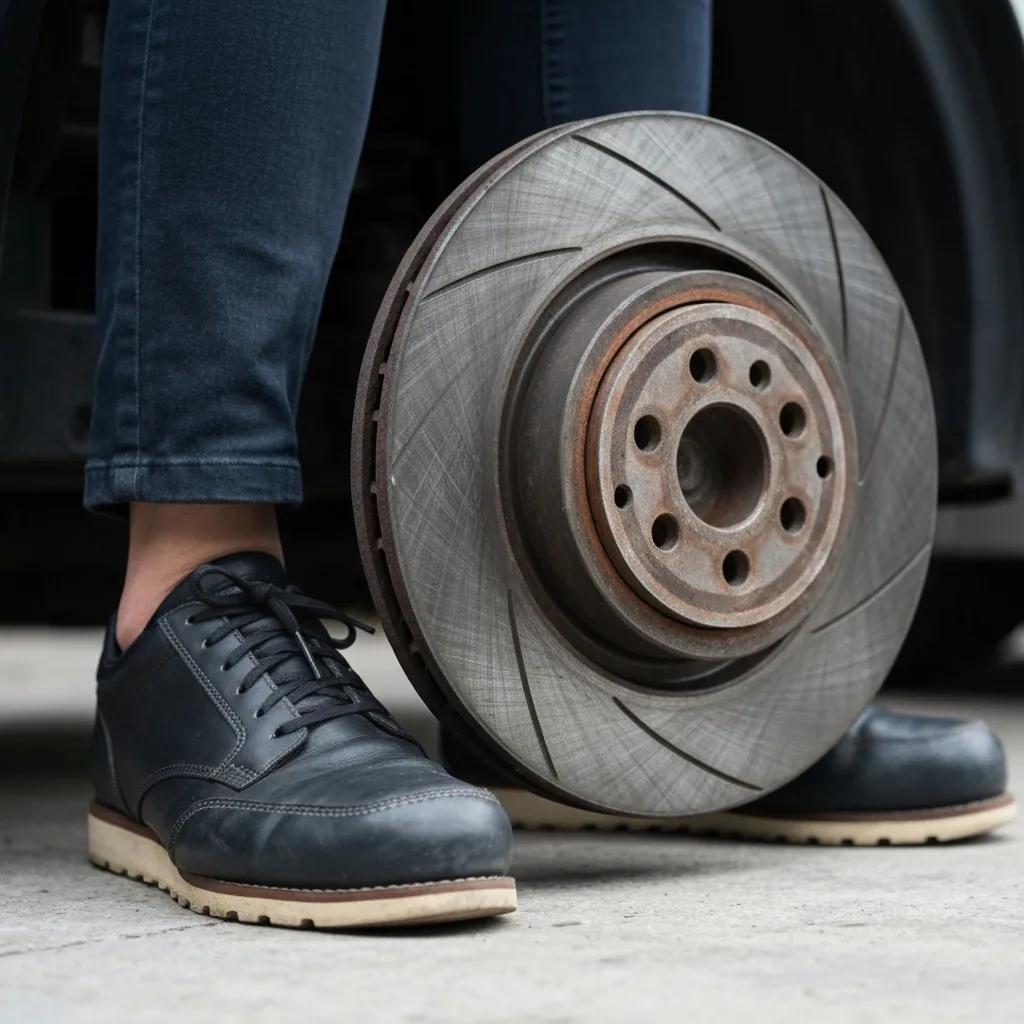
Brake problems manifest through sensory cues and performance changes that should be acted on promptly to avoid safety risks; common signs include abnormal noises, pedal feel changes, vibration, and dashboard warnings. Each symptom maps to likely causes—squealing often indicates worn pads, grinding suggests metal-on-metal contact requiring immediate attention, and spongy pedal feel can signal fluid or master cylinder issues—so recognizing and prioritizing symptoms helps determine urgency. The following list groups common brake symptoms by likely cause and recommended response times, then explains typical inspection and repair steps so drivers know what to expect during service.
Common brake warning signs and urgency levels:
- Squealing or high-pitched noise: Often worn pads; schedule service soon to prevent rotor damage.
- Grinding: Metal contacting rotor—requires immediate inspection to avoid loss of braking performance.
- Vibration or pulsation while braking: Usually warped or uneven rotors—prompt machining or replacement recommended.
- Soft or sinking brake pedal: Potential fluid leak or master cylinder issue—stop driving and seek immediate service.
Recognizing these signals and acting quickly prevents escalation and encourages clear communication with technicians about scope and timing; next we explain what a typical brake pad replacement involves so you see the inspection and repair steps.
What Does Brake Pad Replacement Involve?
Brake pad replacement begins with a detailed inspection that measures pad thickness, checks rotor condition, and assesses hardware like calipers and sliders for proper movement. The service typically includes removing the wheel, retracting the caliper piston, replacing pads, inspecting or resurfacing rotors as needed, and topping off or bleeding brake fluid where required—new hardware and anti-squeal shims may be fitted to ensure longevity. Time and cost vary by vehicle and pad material; performance or ceramic pads cost more but offer longer life and lower noise, while OEM vs aftermarket choices affect price and warranty. After installation, technicians often perform a bedding procedure and a road test to verify pedal feel and stopping performance, which leads into when rotor resurfacing is preferable to replacement.
How Does Rotor Resurfacing Improve Brake Performance?
Rotor resurfacing, when feasible, removes surface irregularities and restores a smooth contact area between pad and rotor, reducing vibration and pulsation that undermine braking effectiveness. Resurfacing is acceptable when rotors remain above manufacturer-specified thickness and do not have severe structural defects; machining corrects lateral runout and uneven wear patterns and can extend rotor life when paired with new pads. However, thin, cracked, or heavily scored rotors require replacement to maintain structural integrity and heat dissipation; technicians should measure thickness and inspect for heat cracking during the service decision. A properly resurfaced rotor improves contact homogeneity, reduces noise, and prolongs pad life, guiding the next discussion on advanced and emerging services that require specialized equipment and training.
Which Specialized Auto Shop Services Are Growing in Demand?
Specialized services—particularly EV/hybrid repair and ADAS calibration—are increasingly common as vehicles incorporate high-voltage systems and advanced driver aids; these services require dedicated equipment, structured safety protocols, and technician training to be done correctly and safely. EV systems introduce hazards and diagnostic complexity tied to battery management systems and high-voltage components, while ADAS requires precision calibration of cameras and sensors after collisions or windshield replacements to ensure correct lane-keeping, automatic emergency braking, and adaptive cruise control function. Shops that invest in specialized tooling and training can justify different lead times and pricing, and customers should understand why these services differ from conventional repairs. The table below clarifies the equipment and training requirements and explains why each specialized capability matters for accuracy and safety.
| Service | Required Training / Equipment | Why it Matters |
|---|---|---|
| EV/Hybrid repair | High-voltage safety training, insulated tools, battery diagnostic scanners | Protects technicians and ensures accurate battery health assessment |
| ADAS calibration | Camera/radar calibration rigs, OEM alignment targets, dynamic calibration tools | Ensures safety systems perform to manufacturer tolerances after repair |
| Advanced diagnostics | OEM-level scan tools, software subscriptions, technician training | Identifies root causes quickly and avoids unnecessary part replacement |
Understanding these requirements clarifies why some providers schedule EV or ADAS work with longer lead times and different pricing structures, and it leads naturally into a focused look at EV service specifics and safety protocols.
What Is EV and Hybrid Vehicle Repair and Why Is It Important?
EV and hybrid vehicle repair focuses on high-voltage systems, battery health, power electronics (inverters), and regenerative braking components that differ significantly from internal combustion engine maintenance. Technicians must follow strict high-voltage isolation procedures, use insulated personal protective equipment, and rely on battery management system (BMS) diagnostics to assess state of charge, capacity, and cell-level anomalies; improper handling can damage expensive components or cause safety incidents. Routine EV services often center on battery-health checks, thermal management inspections, and software updates rather than oil and filter changes, producing different maintenance intervals and priorities for owners. Choosing a shop with documented EV training and the right diagnostic equipment reduces risk and ensures accurate battery diagnostics, which transitions into why ADAS calibration is non-negotiable for modern safety systems.
How Does ADAS Calibration Enhance Vehicle Safety?
ADAS calibration aligns sensors—cameras, radar, and lidar—with the vehicle’s intended reference frame so systems like automatic emergency braking and lane keeping respond correctly; calibration restores sensor geometry that can shift during collisions, windshield replacement, or suspension work. Calibration methods include static procedures using targets and controlled setups, and dynamic procedures that validate sensors while the vehicle is driven under defined conditions; both require manufacturer guidance, precise measurement, and validation steps documented after the work. Proper calibration reduces false positives, missed detections, and degraded system performance that otherwise create latent safety hazards; technicians should provide calibration records or verification reports as proof of accuracy. Understanding calibration methods helps owners demand evidence of correct ADAS function after repairs, which supports better decision-making about emergency services and roadside support.
How Do Auto Shops Handle Emergency and Roadside Assistance Services?
Auto shops and partner networks provide emergency and roadside assistance to handle immobilizations, towing, and quick on-site services that restore temporary mobility or move a vehicle safely to repair facilities. These services typically include towing, jump-starts, tire changes, fuel delivery, and lockout assistance, and they differ from scheduled shop work because they prioritize rapid response and safety rather than comprehensive diagnostics. Response expectations vary by provider and time of day—after-hours services may perform temporary fixes or tow to shops for full diagnostics—so understanding the limits of 24-hour service helps drivers choose the right immediate action. The next section lists typical 24-hour offerings and clarifies when to call for assistance versus driving to a nearby shop.
Typical 24-hour emergency and roadside services include:
- Towing to a safe location or repair facility: Ensures vehicle is moved without further damage.
- Jump-starts and battery service: On-site testing and temporary recharging for mobility.
- Tire change and temporary repair: Replace a flat with a spare or apply a plug for short-distance travel.
- Fuel delivery and lockout assistance: Restores mobility or regains access with minimal delay.
Knowing these service options and their limitations helps drivers decide between on-site fixes and towing for comprehensive repair; the following subsection clarifies what to expect from after-hours repairs.
What Services Are Included in 24 Hour Car Repair?
24-hour car repair services focus on stabilizing a vehicle to make it safe for transport or limited driving, typically including diagnostic checks sufficient to determine whether towing or temporary repair is appropriate. On-site technicians can often perform jump-starts, tire replacement, fluid top-ups, and basic electrical troubleshooting, but complex diagnostics, ADAS calibration, or EV high-voltage repairs usually require a dedicated shop environment and specialized equipment. Costs during after-hours may be higher due to emergency call-out premiums and limited parts availability; providers commonly coordinate towing to partner shops when full repairs are needed. Understanding the trade-off between immediate mobility and full repair informs the decision to call roadside assistance or arrange a tow to a nearby trusted shop.
When Should You Call for Roadside Assistance?
Call for roadside assistance immediately when driving conditions are unsafe, the vehicle is immobilized, or there are signs of critical failure such as smoke, fluid spraying, or complete brake loss; in these cases, professional responders minimize risk and prevent further damage. Situations where a short, controlled drive to a shop is acceptable include minor battery issues resolved by a jump-start, slow leaks with a safe spare installed, or non-critical warning lights that don’t affect drivability—always prioritize safety and avoid driving when structural or braking integrity is in doubt. Prepare to provide clear information to responders: vehicle make and model, exact location, symptoms observed, and whether the vehicle is an EV or hybrid, since those details affect responder protocols. Clear preparation helps ensure the appropriate rescue method and sets expectations for towing or on-site service, which naturally transitions into costs and estimate expectations at repair shops.
What Should You Expect Regarding Pricing and Estimates at an Auto Shop?
Auto shop pricing combines observable cost components—labor rates, parts pricing, and diagnostic fees—into a final estimate, and transparent shops provide written estimates that break these elements down and list warranty terms. Labor rates reflect overhead, technician skill level, and regional market conditions; parts costs vary by OEM versus aftermarket sourcing and the complexity of replacement components. Diagnostics can add fixed fees when specialized scan tools or time-consuming troubleshooting is required, particularly for ADAS or EV systems. The table below outlines typical cost factors and ranges so consumers can compare estimates fairly and request the written documentation that protects them throughout the repair process.
| Cost Factor | Typical Range / Explanation | Impact on Final Estimate |
|---|---|---|
| Labor rate | $80–$150+/hour depending on location and technician skill | Primary driver of total cost for complex repairs |
| Parts (OEM vs aftermarket) | OEM premium vs aftermarket savings; remanufactured options available | Affects warranty and long-term reliability |
| Diagnostic fee | $50–$150+ for advanced diagnostics or scan-tool time | Applies to troubleshooting-intensive issues like check engine or ADAS faults |
| Additional services | Calibration, machining, towing | Can add flat fees or hour-based charges depending on task |
This breakdown helps you compare two written estimates by aligning each line item to the same cost factors and prepares you to ask clarifying questions before authorizing work, which the following subsections address in detail.
How Are Labor Rates and Parts Costs Determined?
Labor rates reflect the shop’s overhead, technician experience and certifications, and local market conditions; technically complex work such as EV battery diagnostics or ADAS calibration often bills at higher rates because of specialized training and equipment costs. Parts sourcing choices—OEM, aftermarket, or remanufactured—affect both up-front cost and warranty exposure; OEM parts typically cost more but include manufacturer-backed specifications while quality aftermarket parts can reduce cost with acceptable performance trade-offs. Diagnostic time is another factor: intermittent faults require longer troubleshooting sessions that increase labor hours and diagnostic fees. Asking shops to explain labor rate components and parts sourcing options allows you to balance cost, performance, and warranty considerations before approving repairs.
The evolution of vehicle technology has led to increasingly sophisticated diagnostic tools and methods.
Evolution of Online Vehicle Diagnosis and Scan Tools
In the past, computer supported vehicle diagnostics started with On-Board Diagnostic (OBD) I standard in the late 1960’s. This has been followed by OBD II in 1996, which allows a fully standardization regardless of vehicle manufacturer and models, based on a generic scan tool. Even its communication with the vehicle electronic architecture has been developed rapidly followed by the new technologies. This way of car analysis has been extended also for non-emission related functions. Online data collecting and analysis provides not only solutions in the car production and service but in its development process too.
Understanding the capabilities of modern diagnostic tools is crucial for accurate vehicle repair.
Guide to Using Automotive Diagnostic Scanners for Car Repair
This book covers the fundamentals of automotive diagnostic scanners, explaining how they are used to diagnose mechanical engine conditions. It details the proper use of scan tools to diagnose vehicle issues and provides insights into how automotive on-board computer systems and scan tools work together.
Do Auto Shops Provide Written Estimates and Warranty Information?
Transparent shops provide written estimates that itemize parts, labor, diagnostic fees, and expected completion time, and they include warranty terms that specify parts and labor coverage durations and any exclusions. A complete written estimate should list part numbers or descriptions, labor hours and rates, diagnostic fees, and whether aftermarket or OEM parts are specified; it should also state the warranty period for parts and labor and outline steps for dispute resolution. Asking targeted questions—what the estimate covers, how additional faults discovered during repair are handled, and who authorizes extra work—protects you from unexpected costs and delays. Receiving and saving written documentation creates leverage for warranty claims and aligns expectations between you and the shop before work begins.
For drivers who want immediate next steps, consider scheduling routine services proactively and keeping documentation of past maintenance to support diagnostic efficiency; if you need urgent assistance, contact roadside coverage or a local shop that lists emergency services and clear estimate practices.
- To request routine services: Schedule an oil change, tire rotation, or multi-point inspection in advance to avoid emergency repairs.
- To manage cost transparency: Ask for a written estimate before authorizing work and verify whether OEM or aftermarket parts are used.
- For EV or ADAS concerns: Confirm the shop’s diagnostic and calibration capabilities and ask about lead times for specialized work.
These practical steps bridge the technical guidance above with actionable business steps a driver can take to secure reliable car repair and maintenance.