
Brake Repair Services in Worthington: Cost, Symptoms & Expert Tips for Safe Vehicle Maintenance
Keeping your brakes in top condition is essential for safety, vehicle value and confident driving around Worthington and the greater Columbus area. This guide explains what bad brakes sound, feel, and look like, why those symptoms occur, typical cost ranges for common services, and practical expert tips to keep braking systems performing reliably. Readers will learn how modern brake systems—pads, rotors, calipers, master cylinder and ABS—work together, which symptoms need immediate attention, and how repair choices differ for standard versus luxury vehicle brake service. The article also maps local decision-making: how to interpret price estimates, what services include, and how to vet a repair shop before committing to work. Finally, you’ll find actionable maintenance schedules and shopping criteria tailored to owners of BMW, Mercedes-Benz, Audi, Lexus and other high-end vehicles who want OEM-level care. As you read, expect clear symptom triage, transparent cost guidance, and specific next steps to book an inspection or prioritize repairs.
What Are the Common Signs of Bad Brakes in Worthington Vehicles?
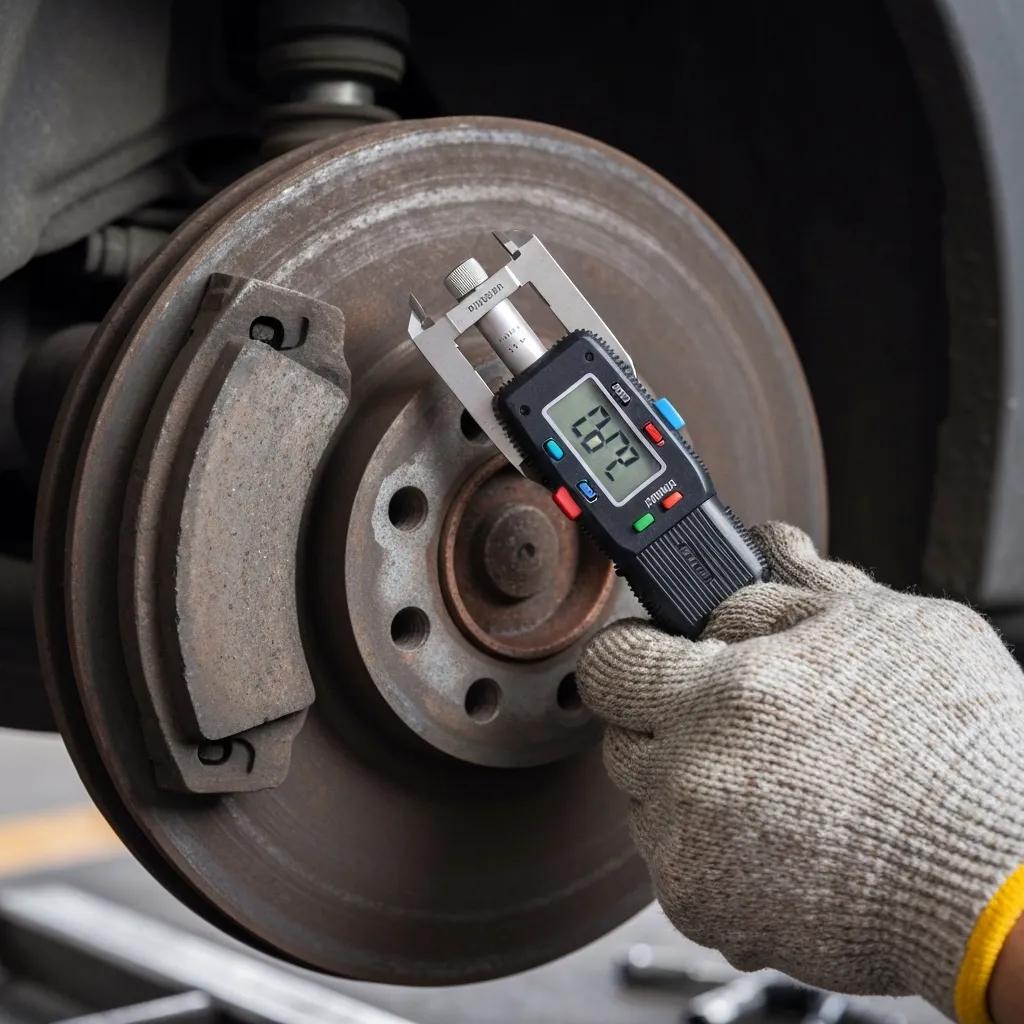
Bad brakes show predictable symptoms that indicate different component failures and varying urgency levels; recognizing these signs quickly reduces crash risk and repair costs. Brake problems commonly manifest as unusual noises, pedal feel changes, vibration, pulling, or warning lights, each pointing to wear, hydraulic issues, rotor damage, or sensor faults. Understanding these signals helps drivers decide whether to drive cautiously to a shop, schedule an appointment, or stop immediately and seek towing. The following bulleted list summarizes top symptoms for quick scanning and a short explanation of likely causes and urgency.
Top brake symptoms and immediate meaning:
- Squealing or high-pitched noise: Often worn brake pads or glazing; inspect soon to prevent rotor wear.
- Grinding metal-on-metal: Indicates pads worn to backing plate or severe rotor scoring; stop driving and seek repair.
- Vibration or pulsation under braking: Usually warped rotors or uneven pad contact; schedule resurfacing or replacement.
- Soft, spongy or sinking pedal: Suggests air in lines, low brake fluid, or master cylinder failure; immediate service required.
- ABS or brake warning light illuminated: Electronic sensor or module fault; diagnostic scan and targeted repair advised.
Recognizing a specific symptom helps prioritize which service is needed and whether the vehicle should be driven to a shop, towed, or left parked until inspected. The next table offers a quick reference you can use to triage symptoms by likely cause and urgency.
This table helps triage symptoms with likely causes and recommended urgency before you book diagnostics.
| Symptom | Probable Cause | Urgency & Recommended Action |
|---|---|---|
| Squealing or chirping | Worn pads, glazed surfaces | Inspect within days; replace pads if wear indicators exposed |
| Grinding noise | Metal backing plate contacting rotor | High urgency; stop driving and have brakes inspected immediately |
| Vibration during braking | Distorted or uneven rotors | Moderate-high urgency; resurface or replace rotors after diagnosis |
| Spongy brake pedal | Air in lines, low fluid, master cylinder fault | High urgency; do not drive long distances—bleed system or repair |
| ABS/brake light on | Sensor fault, ABS module issue, low fluid | Diagnostic scan required; address before extensive driving |
How to Recognize Brake Squealing, Grinding, and Vibration Symptoms
Squealing, grinding and vibration are distinct signals that point to different failures within the braking system and require different remedies. Squealing or a thin high-frequency chirp usually comes from wear indicators on pads or glazed surfaces and often allows short-term driving to a shop, whereas grinding signals severe pad depletion or rotor contact and typically requires immediate attention. Vibration or pedal pulsation commonly means rotor runout or uneven pad deposition and can be confirmed with a road test and rotor measurement during inspection. A good on-site check includes a visual pad thickness measurement, lifting the wheel to spin and feel for roughness, and a short test drive to reproduce the symptom.
These diagnostic steps narrow down whether resurfacing rotors will suffice or full replacement of rotors and pads is warranted, bridging directly to cost considerations and repair timelines discussed next.
What Does a Soft or Spongy Brake Pedal Indicate?
A soft, spongy or sinking brake pedal usually reflects hydraulic system problems such as air in the brake lines, a low brake fluid reservoir, leaking brake lines, or early master cylinder failure; electronic brake boosters can also affect pedal feel on modern cars. To check, visually inspect the fluid level in the reservoir and look for obvious leaks under the vehicle; gently apply the pedal while parked to detect sinking behavior. If the pedal gradually sinks to the floor, the issue is likely hydraulic and requires immediate professional diagnosis—bleeding the system, replacing the master cylinder, or repairing lines. Addressing spongy pedal symptoms quickly prevents loss of stopping power and avoids more costly repairs later.
Prompt attention to pedal feel can reveal whether a simple bleed and fluid flush is needed or whether more extensive component replacement is necessary, which ties directly into expected repair costs covered below.
How Much Does Brake Repair Cost in Worthington, Ohio?
Transparent pricing helps owners budget and compare options; brake repair costs vary by service type, vehicle class, and part quality. Typical services include brake pad replacement, rotor resurfacing or replacement, caliper repair or replacement, brake fluid flush, and diagnostic scans for ABS or electronic parking brakes. Luxury vehicles often carry a premium due to OEM part pricing and brand-specific diagnostics, so owners should expect higher labor and parts costs for BMW, Mercedes-Benz, Audi and Lexus models. The following table presents typical price ranges, what each service generally includes, and approximate labor time to help compare options and set expectations.
Typical brake service price comparison for Worthington drivers:
| Service | Typical Price Range | Typical Includes / Time |
|---|---|---|
| Brake pad replacement (per axle) | $120 – $350 | Pads, hardware, inspection, 1–2 hours |
| Rotor resurfacing (per rotor) | $20 – $60 | Machine-facing, inspection, add 0.5–1 hour |
| Rotor replacement (per rotor) | $80 – $400 | New rotor, machining not required, 1–2 hours |
| Brake fluid flush | $80 – $150 | Drain, replace fluid, bleed ABS, 0.5–1 hour |
| Caliper service/replacement | $150 – $450+ | Rebuild or replace caliper, hardware, 1–3 hours |
This comparison shows how parts quality and vehicle complexity influence the bottom line; resale and safety considerations often justify choosing OEM or OEM-equivalent parts for luxury vehicles. Next, we break down typical pad and rotor price expectations across vehicle tiers and explain the decision between resurfacing and replacement.
What Are the Typical Prices for Brake Pad Replacement and Rotor Resurfacing?
Brake pad replacement prices depend on pad material and vehicle class: economy pads for compact cars sit at the lower end, while ceramic or OEM pads for luxury sedans cost more. For a compact or mainstream sedan, pad replacement per axle commonly runs in the $120–$220 range including labor, whereas luxury-brand ceramic or OEM pads can push that figure toward $250–$350 per axle. Rotor resurfacing is the lower-cost option when rotors are within thickness and not cracked; machining per rotor is inexpensive but adds shop time, while replacement of rotors—especially vented or performance rotors for luxury models—can substantially increase cost. Time estimates typically run 1–2 hours for pad changes and 1–3 hours if rotors are replaced or calipers serviced.
Choosing resurfacing versus replacement depends on remaining rotor thickness, severity of scoring, and manufacturer tolerances; luxury vehicles often recommend replacement to maintain OEM tolerances and braking feel.
Brake Pad Materials: Performance and Durability Review
Brakes are one of the most important components of vehicle. The brake system must be reliable and display unchanging action throughout its use, as it guards the health and life of many people. Properly matched friction pair, a disc and brake pad (in disc brakes), have a great impact on these factors. In most cases, the disc is made of grey cast iron. The brake pads are far more complex components. New technologies make it possible to develop materials with various compositions and different proportions, and connect them permanently in fully controllable processes. This elaboration shows that all these factors have a greater or lesser impact on the coefficient of friction, resistance to friction wear and high temperature, and brake pad’s operating life. This review collects the most important, the most interesting, and the most unconventional materials used in production of brake pads, and characterizes their impact on the tribological properties of pads.
Conventional and unconventional materials used in the production of brake pads–review, 2020
Which Factors Influence Brake Repair Pricing in Worthington?
Several variables determine the final estimate: parts selection (OEM vs aftermarket), pad material (ceramic vs semi-metallic), presence of electronic systems (ABS sensors, electronic parking brake), labor rates, and any additional repairs like caliper replacement or brake line work. Labor complexity increases for vehicles with integrated electronic parking brakes or advanced driver assistance systems, which may require calibrations and longer diagnostic time. Emergency or same-day services, specialty tools for luxury brands, and warranty-backed parts will raise the invoice. Finally, local market labor rates and the shop’s expertise with specific brands also shift pricing and expected turnaround time.
Understanding these factors helps you weigh initial cost against long-term reliability and resale value, especially when choosing OEM-level parts or certified technician labor for high-end vehicles.
What Brake Repair Services Are Offered by Experts in Worthington?
Brake repair experts in Worthington provide a full range of services that cover mechanical and electronic braking systems, from basic pad replacement to advanced ABS and module diagnostics. Core offerings typically include brake pad replacement, rotor resurfacing or replacement, caliper rebuilding or replacement, brake fluid flush and bleed, ABS and electronic parking brake diagnostics, and emergency brake adjustments. Luxury-vehicle-specific services emphasize OEM or OEM-equivalent parts, brand-specific scan tools and calibration, and technicians trained to service high-performance braking systems. The following table outlines service inclusions, part options and common warranty notes to help you choose the appropriate repair for your vehicle.
Service comparison showing inclusions and options:
| Service Type | What’s Included | Parts Options / Warranty Notes |
|---|---|---|
| Brake Pad Replacement | Inspection, pads, hardware, test drive | Aftermarket or OEM pads; typical short warranty |
| Rotor Resurfacing/Replacement | Measurement, machining or new rotor, balancing | Resurfacing when within spec; replacement for safety |
| Caliper Service | Rebuild or replace, slide pin service, seals | Rebuilt calipers or new units; OEM recommended for luxury |
| Brake Fluid Flush | Fluid exchange, system bleed, ABS bleed if required | DOT 3 or DOT 4 fluids; follow manufacturer interval |
| ABS & E-Park Diagnostics | Scan codes, sensor replacement, module checks | Requires specialty scan tools for brand-specific modules |
For owners considering integrated service options, the next paragraph includes a clear business-oriented action line that explains how brake service links with vehicle-buying convenience while preserving focus on informative content: To provide a seamless car-buying experience, leading customers to browse inventory, schedule test drives, apply for financing, and purchase a luxury vehicle.
How Does Brake Pad Replacement and Rotor Resurfacing Work?
Pad replacement and rotor resurfacing follow a predictable sequence: inspect components and measure pad thickness and rotor runout, remove the wheel and caliper, replace pads and hardware or mount the rotor on a lathe for machining, reassemble with proper torque, and perform a test drive to confirm performance. Pad selection should consider material—ceramic pads reduce dust and noise, while semi-metallic may offer better initial bite under high loads—and for luxury vehicles, OEM specifications often guide selection. Quality checks include rotor thickness verification, caliper slide lubrication, and bed-in procedures after installation. Efficient shops document findings and provide before/after measurements to justify repair choices.
Following this workflow ensures consistent braking feel and longevity while minimizing the risk of follow-up repairs due to improper installation.
What Is Included in Brake Fluid Flush and ABS System Diagnostics?
A brake fluid flush removes moisture-contaminated fluid and replaces it with fresh fluid, restoring boiling point and brake responsiveness; professional service includes bleeding each corner and cycling the ABS to fully evacuate air. ABS diagnostics begin with a scan for stored codes, followed by sensor checks, wiring and connector inspections, and module testing; depending on the fault, sensor cleaning, replacement, or module programming may be necessary. For vehicles with electronic parking brakes, technicians perform module-specific procedures to retract calipers before pads or rotors are changed and recalibrate afterward. These services prevent corrosion-related failures and maintain ABS performance under emergency braking.
Properly performed fluid exchange and diagnostic procedures protect braking performance and reduce long-term repair costs, especially for vehicles driven in variable Ohio weather.
What Expert Tips Can Help You Maintain Your Brakes in Worthington?
Regular inspections and smart driving habits preserve brake life, safety and overall vehicle value; proactive care reduces the frequency of costly repairs and keeps stopping distances predictable. Effective maintenance combines periodic professional inspections, scheduled fluid changes, and simple driver checks between services—visual inspection of pad thickness, monitoring brake fluid level, and listening for new noises. Adopting smoother braking techniques such as anticipating stops, downshifting appropriately in manual vehicles, and avoiding prolonged braking during steep descents reduces heat and component wear. Below are practical tips and a recommended inspection schedule to follow for routine care.
Key maintenance tips for braking longevity:
- Check pad thickness monthly visually to catch excessive wear early.
- Monitor brake fluid level every oil change and schedule a fluid flush per manufacturer guidance.
- Avoid repeated hard stops and use engine braking on long descents to reduce heat.
These simple behaviors extend pad and rotor life and limit the need for early replacements, leading into a concise maintenance schedule to plan professional checks.
How Often Should You Schedule Brake Inspections and Maintenance?
Standard guidance recommends a professional brake inspection at least once every 6–12 months or at scheduled service intervals aligned with oil changes, with more frequent checks for heavy city driving, towing or spirited driving. For luxury or performance vehicles, follow stricter intervals and manufacturer-recommended inspections due to tighter tolerances and performance expectations. Documenting service records supports resale value and helps technicians spot progressive wear before it becomes a safety issue. When in doubt, err on the side of earlier inspection—catching wear early often saves money and prevents roadside emergencies.
Consistent inspection frequency keeps braking components within safe limits and supports planned maintenance budgeting.
What Driving Habits and DIY Checks Improve Brake Longevity?
Driver habits and simple monthly checks materially influence brake lifespan: perform visual pad inspections by looking through the wheel spokes for pad thickness, verify no fluid leaks under the vehicle, and listen for new squeals or grinding during low-speed braking. Adopting anticipatory driving—maintaining safe following distances and reducing abrupt stops—lowers heat stress on pads and rotors and prevents glazing. When you notice uneven wear or vibration, document circumstances and schedule professional diagnosis rather than delaying, as small issues can escalate. These DIY checks provide early warning signs and empower informed conversations with technicians.
Regular, simple checks combined with gentle driving patterns are a cost-effective strategy to prolong component life and maintain safety.
How to Choose the Best Brake Repair Shop in Worthington and Columbus, OH?
Selecting the right shop balances certification, diagnostic capability, transparent pricing and experience with your vehicle type—factors that directly affect repair quality and long-term costs. Look for shops that explain findings in writing, provide parts options (OEM vs aftermarket), and offer clear warranty terms on parts and labor. For luxury vehicle owners, prioritize providers with brand-specific diagnostic tools, technicians experienced with high-end braking systems, and a willingness to use OEM-equivalent parts when appropriate. The checklist below helps compare shops and clarify what to ask before authorizing work.
Shop selection checklist:
- Certifications and training: Ask about technician credentials and training relevant to your vehicle.
- Diagnostic tools: Confirm the shop can scan ABS and electronic parking brake modules for your brand.
- Written estimates and warranties: Request a detailed estimate and warranty terms for parts and labor.
Using this checklist helps narrow choices and ensures you prioritize safety and long-term value, especially for complex luxury braking systems.
Why Are ASE-Certified Technicians Important for Brake Repairs?
ASE certification indicates a technician has demonstrated core competencies in automotive systems, including brakes, through standardized testing and periodic recertification; this credential reduces the risk of diagnostic errors and improper repairs. Certified technicians are more likely to follow industry best practices for torque specs, bedding-in procedures, and calibration of electronic brake systems, which preserves component life and safety. While certification alone doesn’t guarantee perfection, it is a meaningful signal of ongoing training and commitment to standards. When vetting a shop, ask about the specific technicians who will work on your vehicle and whether they have experience with your make and model.
Prioritizing certified technicians increases the likelihood of correct diagnosis and lasting repairs, which is especially important for sophisticated braking systems on luxury vehicles.
What Makes a Worthington Brake Service Reliable and Affordable?
A reliable and affordable brake service combines transparent, itemized estimates with clear explanations of part choices and expected outcomes, avoiding unclear “repair packages” that hide parts or labor details. Affordable does not mean cheapest; it means fair pricing with documented work, parts receipts, and a reasonable warranty on parts and labor. Look for shops that communicate test results, provide before-and-after measurements where possible, and explain the tradeoffs between OEM and aftermarket options. Good customer communication and documented quality controls—like torque records and road-test verification—signal a service that balances reliability with cost-effectiveness.
Choosing a shop that documents its work and explains options reduces surprises and aligns repair decisions with long-term vehicle ownership goals.
What Are Frequently Asked Questions About Brake Repair in Worthington?
This FAQ section answers common owner concerns with concise, actionable responses to guide next steps and capture quick search intent for passengers, commuters and luxury buyers. Short answers below will help you triage urgency, estimate time requirements, and select the right pad material for your needs while preserving safety.
How Do I Know When My Brakes Need Repair or Replacement?
You likely need inspection when you hear new noises (squeal, grind), feel vibration, experience a soft pedal, or see a brake warning light; any of these merit a professional check to confirm pad thickness, rotor condition, and hydraulic integrity. A simple visual check through the wheel can reveal pad thickness below 3–4 mm, which usually triggers replacement. If your vehicle pulls to one side or the pedal feels spongy, prioritize immediate service. Use the symptom table earlier in this article to decide whether to drive to a shop or stop and arrange towing.
Prompt evaluation reduces risk and typically lowers overall repair costs by addressing issues before they cascade into caliper or rotor replacement.
How Long Does a Typical Brake Repair Take in Worthington?
Time estimates vary: a straightforward pad replacement generally takes 1–2 hours, rotor replacement or caliper work can extend to 2–4 hours, and complex diagnostics involving ABS modules or electronic parking brakes may require additional time for scanning and calibration. Same-day turnaround is common for routine work if parts are in stock, while ordered OEM parts or specialty rotors can extend wait times to several days. When scheduling, ask the shop for a realistic window and whether they offer loaner vehicles or ride options to minimize inconvenience. Planning around these timelines helps you manage expectations and transportation needs.
Understanding typical durations helps you decide whether to book an appointment or arrange alternate transportation during repairs.
What Are the Differences Between Ceramic and Metallic Brake Pads?
Ceramic and semi-metallic (metallic) pads differ in material composition, noise, dust, heat tolerance and cost, affecting performance choices. Ceramic pads typically produce less dust and noise, offer smooth engagement and are gentler on rotors, making them popular for luxury sedans seeking cleanliness and refined feel; they tend to cost more. Semi-metallic pads provide stronger initial bite and better heat handling under heavy loads, which benefits performance and towing but can create more dust and rotor wear. For luxury vehicles, OEM recommendations often balance feel and longevity, so consult manufacturer guidance when choosing pad material.
Choosing the right pad material depends on driving style, vehicle use and priorities—comfort and cleanliness versus maximum stopping power under high stress.
To provide a seamless car-buying experience, leading customers to browse inventory, schedule test drives, apply for financing, and purchase a luxury vehicle.
This information is intended to help you prioritize safety and select appropriate brake services for both everyday and high-performance driving.
- Schedule an inspection if you notice any listed symptoms, especially grinding, spongy pedal, or warning lights.
- Request a detailed estimate with part options (OEM vs aftermarket) and warranty terms before authorizing work.
- Ask about diagnostics for ABS and electronic parking brakes when owning a luxury vehicle to ensure proper calibration.