
Best Car Repainting Services in Columbus: Expert Auto Paint Repair and Custom Solutions
Car repainting restores appearance, protects metal from corrosion, and can personalize a vehicle to match the owner’s style. This guide explains the full range of repainting services available in Columbus, Ohio, from targeted spot repairs to full vehicle resprays and advanced custom finishes, showing how each approach works and what outcomes to expect. Many vehicle owners face choices about cost, durability, and whether paint correction or a full repaint is the right solution; this article breaks down the technical process, cost drivers, modern paint options, and maintenance needed to preserve results. You will get practical steps for booking an estimate, questions to ask shops, and clear comparisons of service scopes so you can make an informed decision. The sections that follow cover the top repainting services and what each includes, transparent cost guidance with a comparison table, why a reputable local provider matters for color matching and quality, the typical step-by-step workflow for repainting, common customer questions, maintenance strategies, and how to schedule an appointment with a Columbus provider. Throughout, search-focused terms like car repainting Columbus, paint correction Columbus, and custom auto paint Columbus are integrated to help you find and compare local options effectively.
What Are the Top Car Repainting Services Available in Columbus?
Top repainting services in Columbus include a spectrum from minor spot paint repairs to complete vehicle resprays and bespoke custom finishes; each service targets specific needs, materials, and turnaround times. These services work by addressing the underlying surface condition first—removing corrosion, repairing dents, and preparing a clean substrate—then applying primer, basecoat, and clearcoat layers in a controlled environment to ensure adhesion and color fidelity. Choosing the right service depends on the extent of damage, desired finish, and budget, and understanding the differences helps owners avoid unnecessary work. Below are the common service types, their core steps, and scenarios where each is the best fit; after this overview, a local Columbus provider such as Blackstone Complete Auto Care LLC can be referenced as an example of a shop offering these scope options for scheduling and estimates.
The table below compares common repainting scopes to clarify expectations and help decide which option is appropriate.
Different repaint scopes help owners match service scope to vehicle condition and budget.
| Service | Key Steps | Best For |
|---|---|---|
| Spot paint repair | Clean, sand, feather, blend basecoat, clearcoat blend | Small chips and scratches localized to one area |
| Panel repaint | Remove trim, repair dents, primer, full-panel basecoat and clear | Single-panel damage from impacts or deep scratches |
| Full vehicle repaint | Disassembly, bodywork, primer, basecoat, clearcoat, curing, polish | Widespread damage, color change, or full restoration |
| Custom paint job | Surface prep, specialized basecoats, effects (metallic/pearlescent), custom clearcoats | Personalization, show cars, multi-stage finishes |
| Paint correction | Machine compounding, polishing, finish enhancement | Surface defects without need for new paint |
These service definitions make it easier to match a repair path to the vehicle’s condition, and the next subsections explain what goes into a full repaint and when smaller repairs suffice.
What Does a Full Car Repaint Include?
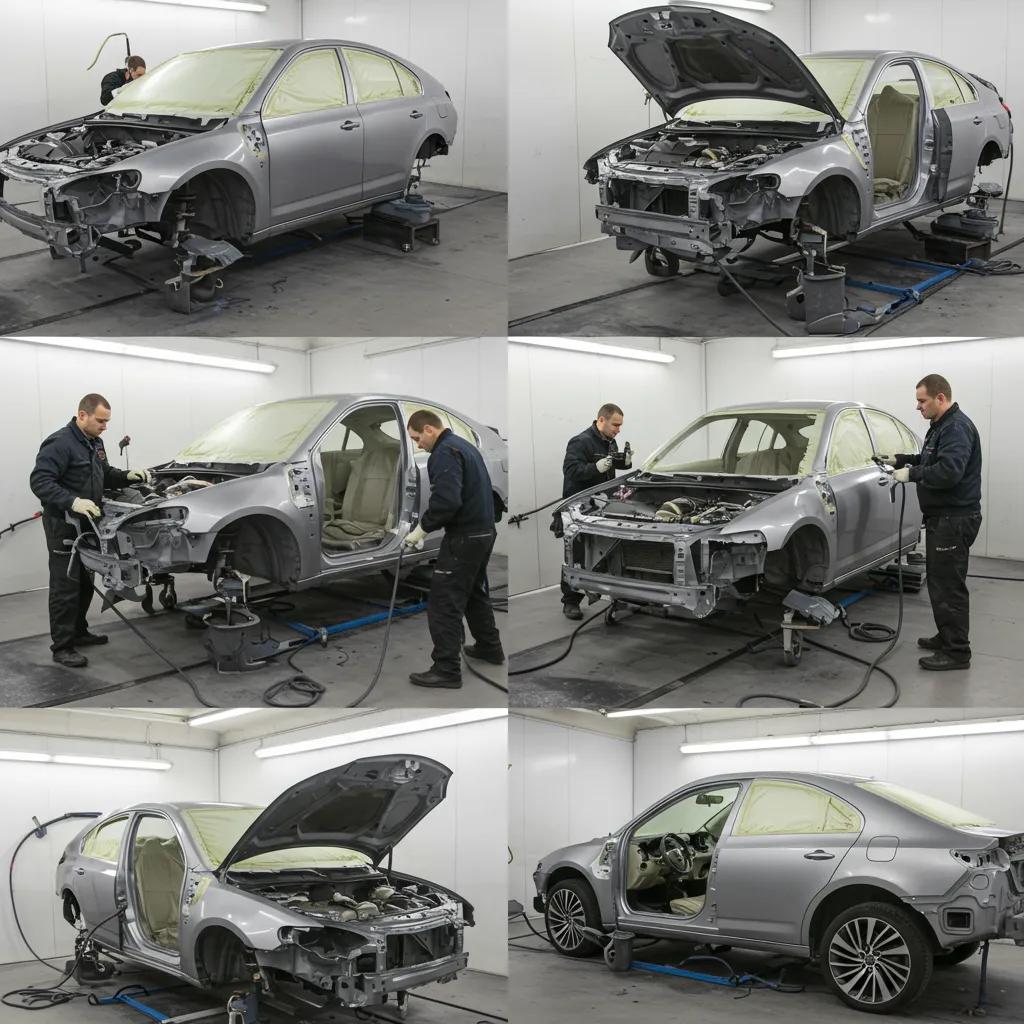
A full car repaint is a comprehensive restoration that addresses structural and cosmetic issues before applying a complete new finish to the vehicle. The process begins with disassembly of trim and components, thorough bodywork to repair dents and corrosion, and multi-stage sanding to create an even substrate for paint adhesion. Technicians then apply primer to seal repairs, follow with one or more basecoat layers for color, and finish with clearcoat that provides gloss and UV protection; each layer is allowed to cure under controlled temperature and particulate-free conditions to reduce defects. Final steps include wet-sanding and buffing to remove any texture and achieve a salon-quality gloss, plus reassembly and inspection to ensure panel alignment and color consistency. Understanding the full repaint workflow clarifies why full resprays are more time- and labor-intensive than spot repairs and leads naturally into when targeted paint repair is a practical alternative.
Automotive Coatings: Primer, Basecoat, and Clearcoat Explained
The automotive industry uses a variety of coatings in the form of primer, basecoat, and clearcoat. These coatings are applied to vehicles to provide aesthetic appeal and protection. The application process involves several stages, and the choice of coatings depends on factors such as desired finish, durability, and cost.
How Does Paint Repair Restore Vehicle Appearance?
Paint repair for scratches and dings focuses on restoring the visible finish while minimizing the scope of work and cost compared with a full respray. Technicians assess the damage depth—clearcoat-only chips can often be filled and blended, while deeper substrate exposure may need filler and primer before color application—and choose blending techniques that feather the new paint into surrounding areas for an invisible transition. Color matching tools and test sprays enable technicians to replicate factory hues and tint, and careful polishing integrates the repaired area with the existing finish. When multiple adjacent panels are affected or corrosion exists, a panel repaint or more extensive work becomes necessary to prevent mismatch and ensure longevity. Recognizing these thresholds helps owners decide whether a repair will meet their aesthetic standards or if a broader approach is required.
Predicting Automotive Paint Performance: Adhesion and Scratch Resistance
The aim of the present study was to investigate whether it is possible to predict the weathering performance of a basecoat/clearcoat automotive paint system through the determination of adhesion, scratch, and mar resistance measurements.
What Custom Car Paint Options Can You Choose in Columbus?
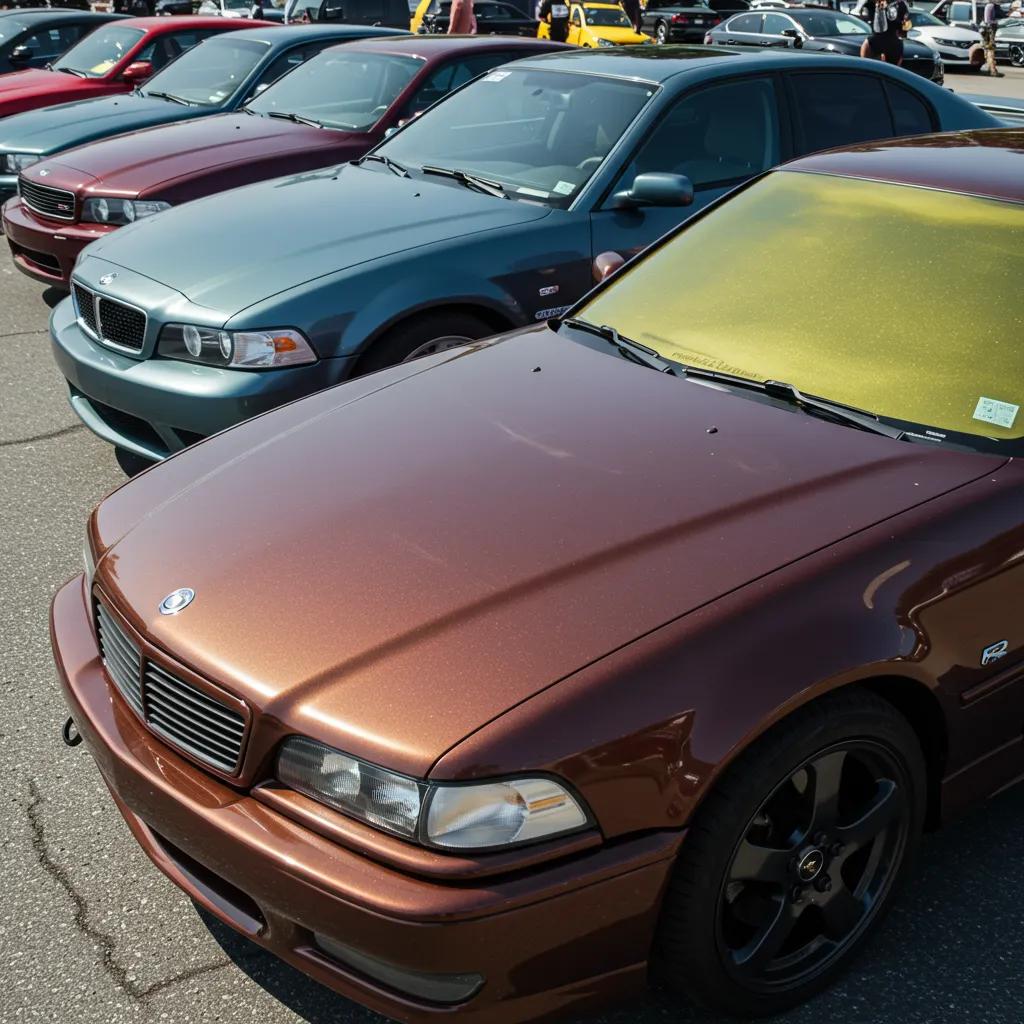
Custom paint options in Columbus span classic metallic and pearlescent finishes to contemporary matte, satin, and color-shift effects that change appearance with viewing angle; each finish requires different materials and application techniques. Metallic and pearlescent finishes use specialty pigments that demand precise layering and often additional clearcoat thickness, while matte or satin finishes rely on specific clearcoat chemistries that reduce gloss and require different maintenance routines. Custom graphics, two-tone schemes, and pinstriping add personalization but also increase masking and prep time, which impacts cost and curing schedules. Owners should weigh aesthetic goals against durability trade-offs—high-effect finishes often require more careful maintenance—and consult with experienced shops to confirm feasibility and expected lifespan. After reviewing custom options, many owners choose professional application to avoid uneven coverage or long-term fading that can occur with amateur attempts.
How Does Paint Correction Improve Your Vehicle’s Finish?
Paint correction is a multi-stage polishing process that removes swirls, oxidation, light scratches, and surface contamination to restore gloss without repainting; it’s a cost-effective way to materially improve appearance when the underlying paint film is sound. Technicians use a sequence of abrasives and polishing pads with machine polishers to progressively refine defects, finishing with ultra-fine polish to maximize clarity and depth. Paint correction is frequently paired with protective coatings to lock in results and can dramatically improve the look of a vehicle prior to sale or before applying ceramic coating. When defects penetrate primer or substrate, correction alone is insufficient and repainting becomes necessary, which is why an inspection that distinguishes surface defects from structural damage is the crucial first step.
When Is Rust Repair and Painting Necessary?
Rust repair becomes necessary when corrosion compromises paint adhesion or exposes metal to ongoing chemical degradation; timely repair prevents spread, structural weakening, and larger repair bills. Surface rust can often be sanded and treated with rust inhibitors and primer, but advanced rust that has pitted metal or created holes requires cutting out affected sections and welding or patching before repainting and sealing. Repair workflows include corrosion removal, substrate stabilization, primer application, and topcoat, with thoughtful attention to seam sealing and drainage areas to avoid recurrence. Owners should look for bubbling paint, flaking clearcoat, and visible metal exposure as indicators that prompt professional assessment is needed, since delayed repairs generally increase complexity and cost.
Automotive Paints and Coatings: Processes and Performance
Automotive coating processes and the paint materials used in these processes are crucial for the appearance and protection of vehicles. The performance of these paints and coatings is evaluated through various testing and physical methods.
How Much Does a Full Car Repaint Cost in Columbus, Ohio?
A full car repaint cost in Columbus depends on scope, materials, and labor; concise ranges help owners set expectations and compare estimates. Typical cost ranges vary by service scope from spot repairs to full vehicle resprays, and price drivers include the extent of bodywork, paint quality, color complexity, and the facility’s environmental controls and warranty offering. The table below lays out comparative cost ranges and what each scope generally includes so you can quickly see where your vehicle fits; following the table, we explain the primary factors that influence pricing and how vehicle size and paint type modify costs, and then how to obtain a good estimate from a local shop.
Cost transparency helps owners compare bids and avoid surprises by focusing on included work and material quality.
| Service Type | Cost Range | Typical Inclusions |
|---|---|---|
| Spot repair | $100 – $500 | Localized sanding, paint blending, clearcoat |
| Panel repaint | $400 – $1,200 | Panel removal or masking, primer, basecoat, clear, buffing |
| Full vehicle repaint | $2,000 – $6,000+ | Disassembly, bodywork, primer, full basecoat/clearcoat, polish |
| Custom finish | $3,000 – $10,000+ | Special pigments/effects, extended prep, multiple clearcoats |
These ranges illustrate why listing exactly what’s included is critical; the following subsections explain the specific price factors and how vehicle size and paint type modify costs, and then how to obtain a good estimate from a local shop.
What Factors Influence Car Repainting Prices?
Several key factors drive repainting prices: the amount of preparation and bodywork required, the paint system and pigments chosen, labor rates tied to facility quality, and any hidden repair needs discovered during prep. Extensive dent repair, rust mitigation, or parts replacement increases labor hours and materials; specialty pigments like metallics or multi-stage pearlescents add both material cost and application time because they require additional layers and test fitting. Facility controls—such as dust-free paint booths and proper curing ovens—raise the quality bar and often the price, but they also reduce the risk of defects that necessitate rework. Understanding these influences helps owners prioritize quality where it matters and prepares them to ask shops for itemized estimates that separate preparation, materials, and labor.
How Do Vehicle Size and Paint Type Affect Cost?
Vehicle size influences paint quantity, masking area, and labor time, so compact cars typically cost less to repaint than SUVs, vans, or trucks because they require less material and handling time. Specialty paint types—such as color-shift finishes, metallics, or custom-mixed hues—require more precise mixing, test panels, and additional clearcoat layers, which increases both paint costs and technician hours. Complex finishes also necessitate more masking and slower application to avoid defects, which further increases labor. When comparing quotes, ask whether the estimate accounts for vehicle class and finish complexity so you can compare like-for-like proposals.
Are Free Estimates Available for Car Paint Services?
Many reputable shops provide free initial estimates or consultations, though in-person inspections often yield the most accurate quotes due to hidden damage that photos may not reveal. When preparing for an estimate, owners should gather photos, note damage history, and be ready to discuss desired outcomes (match vs color change, level of finish). A transparent estimate will outline labor hours, materials by paint system, timeframes, and any warranty or follow-up policies; asking for a written scope reduces misunderstandings. For Columbus-area owners, scheduling a formal estimate with a trusted local provider provides the clarity needed to compare options and timelines without commitment.
Why Choose Blackstone Complete Auto Care for Your Car Repainting Needs?
Blackstone Complete Auto Care LLC is a local Columbus information hub and lead-generation resource that represents a point of contact for vehicle owners seeking reliable repainting services; the company’s profile emphasizes expertise in car repainting and a customer-centric approach. Choosing a shop with trained technicians, proper paint booth infrastructure, and process controls improves color fidelity and long-term durability, and Blackstone’s public profile positions it as a local example of where owners can start when seeking estimates and guidance. Below we outline the technician capabilities, color-matching approach, and warranty topics owners should confirm during their estimate so readers can compare providers with clear criteria.
Understanding what to verify in a shop’s capabilities helps owners ensure quality outcomes and aligns expectations between customer and provider.
What Expertise and Technology Do Our Paint Technicians Use?
Experienced paint technicians combine formal training with hands-on practice in bodywork, color theory, and finishing techniques, and they rely on controlled paint booths, mixing equipment, and digital color-scanning tools to achieve consistent results. Technology like computerized formula lookup and spectrophotometers supports accurate color matching, while stage gates in the workflow—inspection, sanding, priming, test spraying, and final buffing—reduce the chance of rework. Quality controls include curing under specified environmental conditions and post-cure inspection for runs, fisheyes, or orange peel. When evaluating shops, asking about technician training and the presence of dust-controlled booths and validated mixing systems indicates a commitment to repeatable quality and leads into how color matching and materials are handled.
How Do We Ensure Accurate Color Matching and Quality Materials?
Accurate color matching combines digital scanning, formula retrieval, and trial test panels to confirm that the selected basecoat and reducer produce the intended hue under shop lighting and natural daylight. Technicians perform test sprays and blending procedures, feathering adjacent panels as needed to make repaired areas invisible, and they use premium primers and clearcoats to secure adhesion and UV resistance. Owners should ask whether a shop uses manufacturer-grade primers and clearcoats and whether they document formulas for future touch-ups; these practices reduce risk of mismatch over time. Confirming material quality during the estimate helps owners understand long-term performance expectations and leads naturally to questions about warranty and customer follow-up.
What Warranty and Customer Satisfaction Guarantees Do We Offer?
Warranty and satisfaction discussions are essential trust signals; shops often cover workmanship and finish defects for specified periods, and customers should request written details during the estimate. While warranty terms vary by provider, typical warranty topics include finish integrity, adhesion, and correction processes for eligible defects; owners should ask how warranty claims are handled and what documentation is required. Understanding the shop’s follow-up policy and correction timeline reduces post-service friction and helps owners choose a provider that stands behind its work. After clarifying warranty expectations, vehicle owners can review the repainting process steps so they know what to expect from consultation through delivery.
What Is the Step-by-Step Process for Car Repainting at Blackstone?
A clear repainting workflow sets realistic timelines and reduces surprises: consultation and estimate, preparation and priming, paint application and curing, final finishing, and delivery with inspection. Each stage has defined tasks that ensure long-term adhesion and visual consistency, and understanding the sequence explains why quality shops allocate time for curing and inspection rather than rushing to completion. This section outlines the practical steps so owners know what an estimate will include and how to prepare their vehicle for service.
How Does the Consultation and Estimate Work?
The consultation begins with an inspection of damage, photos or VIN-based color information, and notes on desired outcomes; estimators check for hidden damage, rust, and parts that require removal or replacement. A comprehensive estimate lists labor hours, materials, any necessary bodywork, and estimated time in the shop, and it clarifies whether the quoted price includes reassembly and final polishing. Owners should bring maintenance and accident history and ask about warranty coverage and scheduling expectations to compare proposals effectively. Understanding the estimate process prepares owners to make an informed decision and leads into the detailed prep steps required before painting.
What Preparation and Priming Steps Are Involved?
Preparation is the foundation of a durable repaint: this phase includes rust removal, dent repair, filler shaping, progressive sanding, and thorough cleaning to remove contaminants that compromise adhesion. Masking and protection of trim, glass, and interior components prevent overspray, and primer application seals repaired areas and creates a uniform surface for basecoat. Between coats, technicians sand and inspect surfaces to remove imperfections and ensure consistent texture, which directly affects final gloss and clarity. Proper prep and priming reduce rework risk and establish the conditions needed for high-quality basecoat application described next.
How Is Paint Applied and Finished for Best Results?
Applying basecoat and clearcoat in a controlled sequence ensures color depth and protective performance: technicians apply multiple thin basecoat layers for full coverage, followed by clearcoat layers that cure to form a hard, glossy finish resistant to UV and chemical exposure. Environmental controls—temperature, humidity, and particulate filtration—impact curing and surface quality, and adequate curing time prevents soft finishes that are prone to marring. Final wet-sanding, polishing, and inspection remove minor surface texture and verify uniform gloss, and technicians reassemble trim and check panel gaps and alignment before handing the vehicle back. A thorough final inspection confirms that the vehicle meets the aesthetic and durability standards outlined during the estimate.
What Are the Most Common Questions About Car Repainting in Columbus?
Vehicle owners commonly ask about paint longevity, how to pick a quality shop, insurance coverage, and whether paint correction is a viable alternative; clear short answers help capture search intent and guide next steps. Below are concise, actionable answers to these frequent questions, followed by pointers for deeper evaluation when comparing providers.
How Long Does a Car Paint Job Last?
Paint lifespan varies with materials, exposure, and maintenance; typical factory-style repaints with quality clearcoats last many years under normal conditions, while specialty finishes may require more frequent care. UV exposure, road salt, and environmental contaminants accelerate degradation, and protective measures such as ceramic coatings or regular waxing extend life. Owners should inspect annually for chips and address any exposed metal promptly to prevent rust that shortens lifespan. Understanding expected durability helps owners plan protective services and maintenance schedules.
How Do I Choose the Best Auto Paint Shop in Columbus?
Choosing a shop requires evaluating facilities, documented examples of past work, transparent estimates, and clear warranty terms; look for dust-controlled booths, before-and-after photos, and written scope of work. Reviews and referrals provide social proof, while asking for process explanations and material brands (if provided) reveals commitment to quality. Comparing multiple written estimates on identical scopes helps identify outliers and ensures apples-to-apples comparison. With this checklist in hand, owners can confidently select a provider and proceed to booking.
Can Insurance Cover Car Paint Repairs?
Insurance may cover paint repairs in collision or vandalism cases where covered perils caused the damage; coverage depends on policy terms, deductibles, and claim approvals. Owners should document damage, obtain itemized estimates, and coordinate with the insurer about preferred repair facilities and approval processes. A shop can often assist with estimates and repair documentation to streamline claims. Knowing these steps reduces surprises in the claims process and encourages prompt repair to prevent worsening damage.
What Are the Benefits of Professional Paint Correction?
Professional paint correction restores gloss, removes light defects, and prepares the surface for protective coatings without repainting, improving appearance and potentially increasing resale value. Multi-stage polishing can remove swirls and oxidation that automated car washes and poor maintenance cause, and correction preserves original factory paint while restoring depth. For owners choosing between correction and repainting, an inspection will determine whether defects are surface-level or require new paint; this decision protects budget and ensures the right long-term outcome.
How Can Vehicle Owners Maintain Their Repainted Cars for Long-Lasting Results?
Maintenance extends the life of new paint and preserves gloss; practical routines include gentle washing, avoiding abrasive automated brushes, prompt chip repair, and applying protective coatings that suit the owner’s priorities. Protective services such as ceramic coating provide longer-lasting hydrophobic and UV resistance properties compared with traditional wax, though they require correct surface preparation and periodic maintenance. The table below compares common protection options, their benefits, and typical lifespan expectations to help owners choose the right protection level.
Comparing protective options clarifies trade-offs between cost, maintenance, and durability so owners can align protection to usage patterns.
| Protection Option | Benefit | Typical Lifespan |
|---|---|---|
| Waxing | Enhances gloss, easy reapplication | 1-3 months |
| Paint sealant | Longer-lasting synthetic protection | 6-12 months |
| Ceramic coating | Hydrophobic, UV resistance, easier cleaning | 2-5 years |
| Paint protection film | Physical chip protection for high-impact areas | 5-10 years (material-dependent) |
After choosing protection, owners should follow recommended maintenance schedules to maximize lifespan and return to the shop for touch-ups when needed.
What Are the Best Practices for Protecting New Car Paint?
Best practices include washing with pH-neutral detergents, drying with microfiber towels to avoid swirl marks, parking in shade when possible, and avoiding automatic brushes that can abrade clearcoat. Regular inspections for small chips or stone impacts and addressing them promptly prevents corrosion from starting under the paint. Seasonal considerations—such as removing road salt in winter—are important to prevent accelerated paint and metal degradation. These routines reduce the need for costly rework and naturally lead into whether higher-tier protections like ceramic coating are worthwhile investments.
How Does Ceramic Coating Enhance Paint Durability?
Ceramic coating bonds to the clearcoat to provide a hard, hydrophobic barrier that resists light chemical etching and eases cleaning, improving long-term gloss retention and protection against UV. While not impervious to scratches or heavy abrasion, ceramic coatings reduce the rate of environmental deterioration and simplify maintenance routines such as washing. Coating longevity depends on product quality and surface prep, and proper application after paint correction yields the best optical results. Owners who prioritize lower maintenance and better long-term protection often choose ceramic coatings as the next step after correction or repainting.
When Should You Schedule Touch-Ups or Paint Repairs?
Schedule touch-ups promptly when paint chips expose primer or metal, or when scratches penetrate the clearcoat to prevent corrosion and spreading damage. Small cosmetic chips can be addressed with spot repair, while rust or widespread damage requires professional assessment and potentially larger-scale work. Regular inspections after winter months and following any minor collisions help owners catch early signs of deterioration. Timely action reduces total repair costs and improves the odds that a localized approach will suffice rather than a full repaint.
Where Is Blackstone Complete Auto Care Located and How Can You Schedule a Car Repainting Appointment in Columbus?
Blackstone Complete Auto Care LLC is identified as a Columbus, Ohio local business focused on car repainting services and lead generation; for vehicle owners seeking estimates, Blackstone is positioned as a local resource to contact through its website or business profile. Prospective customers should consult the provider’s online profile for current hours, request an estimate, and prepare photos and vehicle details to streamline the consultation. Below we explain how to prepare for booking and what to expect during the appointment process.
Providing clear booking steps reduces back-and-forth and ensures the estimate reflects the true scope of required work.
What Are Our Business Hours and Contact Information?
For up-to-date hours and contact options, prospective customers should consult the company’s public business listing and website for the latest information, as those platforms maintain current scheduling and contact channels. When reaching out, have your vehicle information, photos, and a brief description of damage ready to expedite the estimate process. It’s also helpful to ask whether an in-person inspection is needed for a definitive quote versus a preliminary remote estimate. Confirming how the provider prefers to handle estimates will smooth scheduling and prepare you for the next steps.
How Do You Book a Free Estimate or Consultation?
To book a free estimate or consultation, prepare vehicle photos, the VIN if available, and a summary of the desired result (match, color change, custom finish), then use the provider’s website or public business listing to request an appointment or call. The estimator will explain what the assessment covers—visible damage, hidden repair risk, materials, and lead time—and may suggest alternatives like paint correction where appropriate. After receiving a written estimate, compare scope, materials, warranty options, and timelines before scheduling work. Having documentation ready expedites the process and leads into the final consideration of customer feedback and reviews.
What Do Customers Say About Our Car Paint Services?
Customer feedback and before/after photos are valuable for assessing a shop’s workmanship and communication; owners should consult verified reviews on public business listings and request portfolio examples during the estimate. Use reviews to confirm consistency in quality, responsiveness to warranty claims, and clarity of estimates rather than relying on single testimonials. Where available, review schemas and documented portfolios help verify claims and build confidence before committing to a major repaint. After reviewing peers’ experiences, owners can schedule a consultation that aligns with their aesthetic and durability expectations.
- Review before-and-after photos: Portfolio images reveal finish quality and color consistency.
- Check multiple reviews: Broad patterns in feedback indicate reliability rather than isolated opinions.
- Ask for procedural details: Confirm prep, materials, and warranty handling during the estimate.
Following these steps ensures that the chosen provider aligns with your expectations and that the repainting project proceeds with clear communication and documented quality standards.
Frequently Asked Questions
What Should I Look for in a Car Repainting Shop?
When selecting a car repainting shop, consider factors such as the shop’s reputation, customer reviews, and examples of previous work. Look for facilities with controlled environments to minimize dust and defects during painting. It’s also important to inquire about the materials used, such as the quality of primers and clearcoats, as well as the technicians’ experience and training. A transparent estimate that outlines the scope of work and warranty terms is crucial for ensuring you receive quality service.
How Can I Prepare My Car for Repainting?
Preparing your car for repainting involves several steps to ensure the best results. Start by cleaning the vehicle thoroughly to remove dirt and debris. Remove any personal items from the interior and trunk, and consider taking off any accessories that could be damaged during the process. If possible, document the current condition of your car with photos. Discuss with the shop any specific concerns or desired outcomes to ensure they understand your expectations before the work begins.
What Are the Environmental Considerations for Car Repainting?
Environmental considerations in car repainting include the use of low-VOC (volatile organic compounds) paints and proper waste disposal methods. Many shops now utilize eco-friendly products that minimize harmful emissions. Additionally, controlled paint booths help reduce overspray and environmental contamination. When choosing a shop, ask about their environmental practices and whether they comply with local regulations regarding paint disposal and air quality standards to ensure a responsible approach to your vehicle’s repainting.
How Often Should I Schedule Maintenance for My Repainted Car?
Maintenance for a repaint should be scheduled regularly to preserve the finish and protect against environmental damage. It’s advisable to wash your car every two weeks using pH-neutral products and to apply a protective wax or sealant every few months. Additionally, inspect the paint for chips or scratches and address them promptly to prevent rust. Depending on the type of protective coating applied, you may need to follow specific maintenance guidelines to ensure longevity and appearance.
What Are the Risks of DIY Car Repainting?
DIY car repainting can lead to several risks, including poor adhesion, uneven finishes, and color mismatches. Without professional equipment and experience, achieving a factory-quality finish is challenging. Additionally, improper surface preparation can result in peeling or bubbling paint. DIY methods may also lack the necessary protective coatings that professionals use to enhance durability. Ultimately, while DIY can save money, the potential for costly mistakes often outweighs the initial savings, making professional services a safer investment.
Can I Customize My Car's Paint Job?
Yes, customizing your car’s paint job is a popular option that allows you to express your personal style. Customization can include unique colors, finishes like matte or metallic, and graphics or decals. Discuss your ideas with the repainting shop to explore available options and understand the implications for cost and maintenance. Keep in mind that some custom finishes may require more care and may not be as durable as standard paint jobs, so it’s essential to weigh your choices carefully.
What Should I Do If I Notice Damage After Repainting?
If you notice damage after your car has been repainted, contact the shop that performed the work as soon as possible. Most reputable shops offer warranties that cover defects in workmanship or materials. Document the damage with photos and provide a detailed description when you reach out. Depending on the warranty terms, the shop may offer to repair the issue at no additional cost. Prompt communication is key to resolving any concerns and ensuring your satisfaction with the repainting service.
Conclusion
Choosing professional car repainting services in Columbus not only enhances your vehicle’s appearance but also protects it from corrosion and damage. Understanding the various options available, from spot repairs to full resprays, empowers you to make informed decisions that align with your budget and aesthetic goals. By consulting with reputable providers like Blackstone Complete Auto Care, you can ensure quality workmanship and materials for lasting results. Schedule your free estimate today to start your vehicle’s transformation.