How to Choose Auto Body Repair Services Nearby: Expert Tips for Finding the Best Local Shop
Choosing the right auto body repair services nearby means more than just fixing visible damage; it protects vehicle safety, resale value, and your peace of mind after a collision or cosmetic incident. This guide explains what to look for when searching for “auto body repair services near me” and walks through certifications, equipment, common service types, insurance coordination, and realistic cost expectations so you can compare shops confidently. Vehicle owners often struggle to understand estimates, ADAS calibration needs, and whether OEM parts are required; this article provides practical, plain-language steps to evaluate those elements and make informed decisions. After the opening overview we briefly introduce Blackstone Complete Auto Care LLC as a local resource for scheduling estimates and assistance, then move into how to assess shops, navigate repairs and insurance, compare costs with clear examples, and finally how to schedule a free estimate or appointment. If you need a fast next step, consider contacting Blackstone Complete Auto Care LLC to schedule a free estimate or appointment as you compare local options. The following sections cover why shop choice matters, must-have shop qualities, step-by-step navigation tips, service types, cost drivers and ranges, technician standards, and Blackstone’s local pathway for estimates and scheduling.
Why Is Choosing the Right Auto Body Repair Shop Important?
Choosing the right auto body repair shop matters because proper repairs restore structural integrity, ensure that advanced systems function correctly, and preserve vehicle value. A quality shop follows safety protocols, uses appropriate parts and calibrated equipment, and documents repairs so that warranties and insurance processes proceed smoothly. Selecting the wrong provider can lead to misaligned frames, sensor failures, paint mismatch, and increased long-term expense, which is why a careful choice affects both safety and ownership costs. Understanding these stakes helps you evaluate shops on measurable criteria rather than price alone, leading into specific checks on certifications, equipment, and local expertise.
This section highlights three core reasons a careful selection protects you and your vehicle.
- Safety and structural integrity: Proper structural repairs and calibrated systems ensure occupant protection and correct crash behavior.
- Vehicle value and resale: Correct repairs using compatible parts and documented processes maintain resale value and warranty eligibility.
- Warranty and peace of mind: Transparent documentation and guarantees reduce disputes with insurers and prevent recurring issues.
Choosing locally knowledgeable providers also shortens communication loops with insurers and supports better follow-up, which we will examine next in detail.
How Does a Quality Auto Body Shop Ensure Vehicle Safety and Value?
A reputable shop ensures safety and value by following structured diagnostic procedures, using appropriate parts, and performing final inspections that validate repairs. Technicians conduct structural assessments, measure frame geometry, and verify alignment before reassembly to restore crashworthiness and handling characteristics. Using OEM-spec replacement parts or documented equivalent components preserves manufacturer tolerances and helps maintain warranty coverage and resale value. Final quality-control steps include paint-match verification, functional checks of sensors and cameras, and a road test when applicable, and these validation steps lead naturally to the risks of choosing lower-quality providers.
These protocols directly reduce the risk of post-repair failures and demonstrate why documented processes matter for long-term outcomes.
What Are the Risks of Choosing an Unreliable Repair Service?
Choosing an unreliable repair service can create safety hazards, ongoing repair costs, and claims disputes that erode confidence in the vehicle. Problems include improper frame repair leading to poor alignment, incorrect paint matching, missed calibration of driver-assist systems, and use of low-quality parts that wear prematurely. Such issues may void warranties or trigger insurer pushback, leaving the vehicle owner to manage repairs and liability exposure. Spotting red flags—vague estimates, lack of visible equipment, and unwillingness to provide written warranties—helps you avoid these outcomes and points to the value of local expertise discussed next.
Recognizing these risks equips you to prioritize shops that document procedures and offer clear, written plans for restoring safety and appearance.
How Can Local Expertise Benefit Your Auto Repair Experience?
Local expertise benefits repair outcomes through faster insurer coordination, community-based reputation checks, and convenient follow-up support that national providers may not match. Local shops familiar with regional insurance adjusters and Ohio-specific repair pathways often streamline the estimate and authorization process, reducing turnaround times and communication friction. Community reputation and neighborhood references provide practical validation beyond star ratings, while local follow-up service simplifies warranty claims and post-repair touch-ups. These hyper-local advantages make it worthwhile to weigh area-specific competence when selecting among “auto body repair services near me” options.
Understanding how local knowledge shortens timelines and improves accountability prepares you to ask the right verification questions at the estimate stage.
What Key Qualities Should You Look for in a Certified Auto Body Shop?
Selecting a certified auto body shop begins with a checklist of objective quality indicators: recognized technician training, modern equipment, transparent estimates, robust warranties, and credible customer reviews. These indicators collectively signal a shop’s commitment to safety, accurate repairs, and customer service, and they form a practical evaluation framework when comparing multiple estimates. Below we provide a compact checklist and a table to translate those quality indicators into what they mean and what to ask during an estimate. After examining certifications and equipment, we will look at pricing transparency, warranties, and reputation signals.
A clear checklist helps you prioritize which shops merit a site visit and which questions to ask next.
- Certifications: Expect visible documentation of technician training and industry-aligned credentials.
- Equipment: Look for calibrated measuring systems, dedicated paint booths, and ADAS calibration tools when applicable.
- Estimates & pricing transparency: Demand line-item estimates that break out parts, labor, and sublet work.
Different quality indicators translate into actionable checks you can verify before approving repairs.
| Quality Indicator | What It Means | What to Ask / Look For |
|---|---|---|
| Certifications (I-CAR, ASE, OEM training) | Technicians have formal training and manufacturer-aligned procedures | Ask to see technician qualifications or request training documentation |
| State-of-the-art equipment | Shop can perform precision structural, paint, and ADAS work | Look for frame machines, paint booths and calibration tools on-site or ask about access |
| Transparent estimates | Costs are itemized and explain parts/labor choices | Request a written, line-item estimate and clarification on OEM vs aftermarket parts |
| Warranties & guarantees | Shop stands behind workmanship and materials | Ask about warranty length, coverage, and transferability |
| Customer reviews & references | Past experience reflects service quality and communication | Request local references or detailed before-and-after case examples |
Why Are Certifications Like I-CAR, ASE, and OEM Training Essential?
Certifications such as I-CAR, ASE, and OEM-specific training indicate that technicians have formal instruction on modern repair methods, materials, and safety standards. I-CAR emphasizes collision repair techniques and safety protocols, ASE validates general automotive competence, and OEM training covers manufacturer-specific procedures critical for newer materials and systems. Verifying these credentials—by asking for posted certificates or technician bios—reduces the risk of improper repairs on advanced vehicles. Confirming training status is an important step before discussing estimates and warranties with any shop.
Knowing how to verify certifications helps you interpret estimates in light of required skills and tooling.
How Does Experience and Specialized Expertise Affect Repair Quality?
Experience and specialization influence repair outcomes by shortening diagnostic time, improving repair accuracy, and reducing rework for complex issues like aluminum structure, EV bodywork, or high-end finishes. Shops that routinely handle specific damage types develop workflow efficiencies and parts sourcing channels that speed turnaround while protecting fit and finish. When evaluating a provider, ask about previous work on similar makes and whether they can show case examples or technical write-ups of relevant repairs. Demonstrated experience often correlates with more realistic timelines and fewer unexpected costs during repair.
Assessing specialization prepares you to weigh when to favor expertise over the lowest estimate.
What Role Does State-of-the-Art Equipment Play in Repairs?
State-of-the-art equipment—frame machines, computerized measuring systems, spray booths and ADAS calibration tools—enables precision repairs that restore structural geometry, color match, and sensor function. Accurate paint matching systems reduce visible repair seams, while laser measuring ensures chassis straightness to factory tolerances, which directly affects safety and handling. ADAS calibration tools are essential after panel or windshield work on modern vehicles to return camera and radar systems to spec. Confirming equipment availability or documented access is a practical question to include when requesting a written estimate.
Equipment capability aligns with repair complexity and should factor into both cost and timeline expectations.
How Do Transparent Estimates and Fair Pricing Influence Your Choice?
Transparent, line-item estimates empower you to compare shops by parts sourcing, labor hours, and sublet fees rather than only by bottom-line price. A good estimate details whether parts are OEM or aftermarket, lists paint and refinishing tasks, and explains why certain repairs are necessary, which reduces surprises during invoicing. When comparing multiple estimates, normalize them by scope, parts type and warranty terms to make an apples-to-apples decision. Transparent pricing also signals a shop’s willingness to stand behind its work and clarifies the pathway for insurer interactions.
A clear estimate is both a negotiation tool and a contract framework that protects you from hidden costs and scope creep.
Why Are Strong Warranties and Guarantees Critical for Auto Repairs?
Strong warranties and workmanship guarantees provide measurable protection that covers rework and material defects and often transfer with documented repairs, supporting resale value. Warranty terms vary, but long-term coverage or lifetime guarantees on certain repairs indicate confidence in the shop’s processes and parts. Carefully review exclusions such as environmental damage or misuse and ask how claims are processed if issues arise after delivery. A robust written warranty reduces long-term ownership risk and offers a clear remedy if problems recur.
Understanding warranty mechanics helps you prioritize shops that offer durable, documented protection for repairs.
How Do Customer Reviews Reflect Shop Reputation and Service?
Customer reviews are valuable when they contain specific details about repairs, timelines, communication and warranty resolution rather than only star ratings. Look for consistent mentions of on-time delivery, clear updates during the repair process, and responsiveness to post-repair concerns as credible signals of service quality. Verified reviews, before-and-after images, and local references add trustworthiness; be cautious of shops with many generic or unverifiable testimonials. Using reviews to corroborate stated certifications and equipment availability strengthens your final selection.
Interpreting reviews alongside certifications and equipment gives a rounded picture of likely repair experience.
How Can You Navigate the Auto Body Repair Process with Confidence?
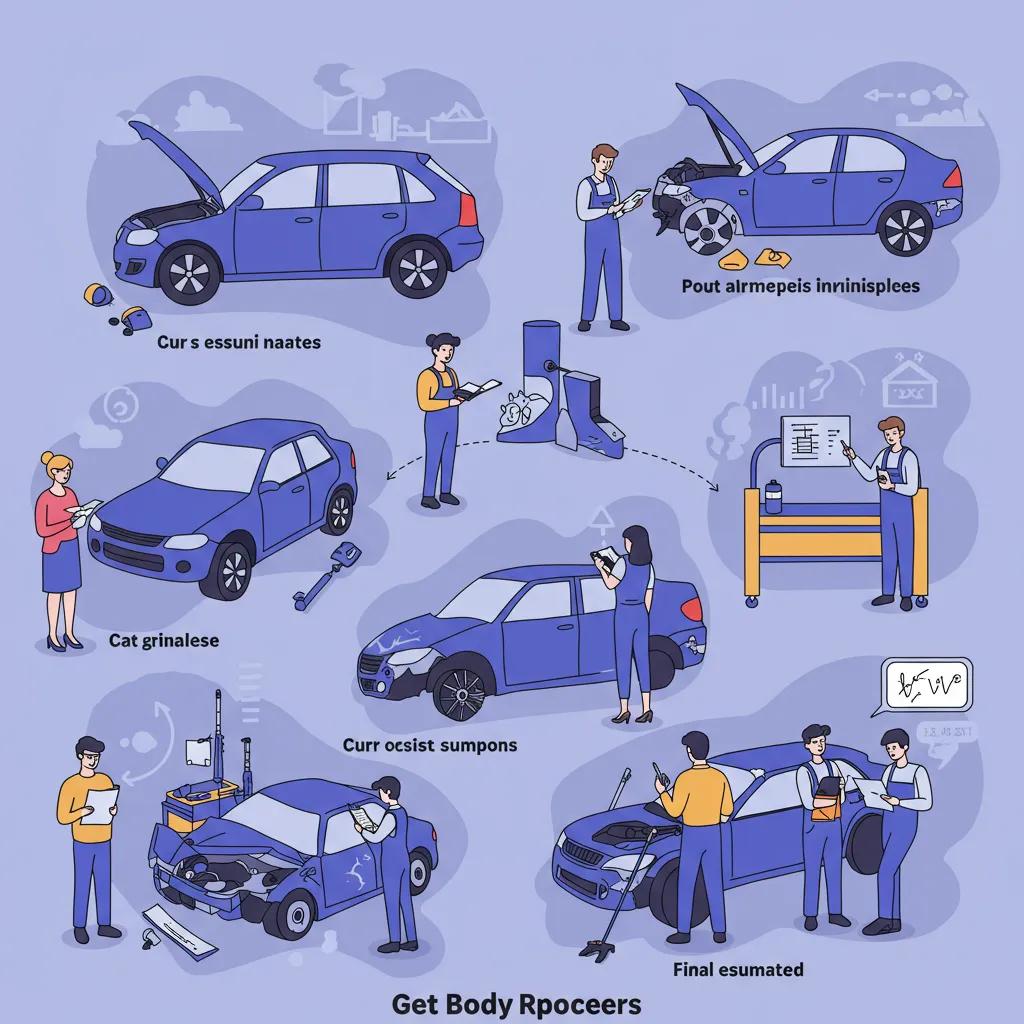
Navigating the auto body repair process confidently requires a stepwise approach: collect multiple estimates, understand insurance responsibilities, ask targeted questions, and verify shop capabilities before approving work. A methodical workflow reduces surprises and aligns expectations between you, the insurer, and the repair shop. Below are practical steps and a checklist to standardize estimate comparison and manage claims effectively, followed by a description of how Blackstone Complete Auto Care LLC supports customers through these phases and how you can schedule a free estimate or appointment.
A structured process keeps communication clear and supports better outcomes during repair and claims timelines.
- Get at least three written, line-item estimates to compare parts, labor, and timelines.
- Document damage thoroughly with photos and keep a copy of the police report or insurer claim number.
- Ask each shop about OEM parts availability, ADAS calibration needs, and warranty terms before approving work.
Why Should You Get Multiple Repair Estimates Before Deciding?
Getting multiple repair estimates reveals how different shops scope work, source parts, and price labor, which helps you spot outliers and hidden costs. Ask each shop to provide a line-item breakdown that clarifies parts type, labor hours and any sublet services such as glass or specialty alignment. Watch for unusually low estimates that omit necessary steps or for high estimates that do not justify the premium with documented advantages. Comparing estimates side-by-side using standardized criteria—parts, labor, timeline, warranty—lets you select for total value rather than lowest sticker price.
Comparing estimates prepares you for insurer conversations and reduces the risk of surprises during repair execution.
How Do You Understand and Manage Your Auto Insurance Claim?
Managing an insurance claim starts with filing promptly, documenting damage thoroughly, and providing adjusters with clear, written shop estimates that reflect the required repair scope. Insurers evaluate estimates based on parts pricing, labor times and acceptable repair procedures; shops that communicate directly with adjusters can advocate for necessary work on your behalf. Decide early whether you will choose the shop or follow insurer-recommended options; you generally retain the right to select your repair facility, and a strong written estimate helps support your position. Maintaining clear documentation and asking the shop to coordinate with the insurer reduces back-and-forth delays and clarifies payment responsibilities.
Effective claim management keeps repairs moving and helps prevent scope disputes later in the process.
Insurance Industry Adjustments and Repair Costs
The findings underscore the ongoing challenges and strategies within the insurance industry to navigate these adjustments.
What Questions Should You Ask Your Auto Body Shop Before Repair?
Before approving repairs, ask a focused set of questions to confirm capabilities, parts choices, timelines and warranty coverage so there are no surprises on delivery day. Ensure you have a written estimate with itemized parts and labor, ask whether OEM parts will be used or whether aftermarket alternatives are proposed, and confirm ADAS calibration needs and proof of completed calibration. Also inquire about warranty terms, expected turnaround time, whether a rental car is needed or arranged, and who will communicate with the insurer. These questions create clear expectations and provide leverage if work or timelines deviate.
- Do you provide a written, line-item estimate that specifies OEM versus aftermarket parts?
- What certifications and equipment will be used for structural repairs and ADAS calibration?
- What is the expected timeline and what happens if additional damage is found?
- What warranty covers workmanship and parts, and is it transferable?
- Will you communicate directly with my insurer, and who is the point of contact?
- Can you provide local references or before-and-after photos for similar repairs?
- What are the payment terms if my insurer disputes part of the claim?
- How will I receive documentation of completed ADAS calibration and safety checks?
These questions form the backbone of an informed approval and lead naturally to how a shop can support you through the process.
How Does Blackstone Complete Auto Care Support You Through Repairs?
Blackstone Complete Auto Care LLC serves as a local resource and information hub that helps vehicle owners obtain estimates, coordinate with insurers, and schedule repairs or appointments. The shop facilitates written estimates and can assist with documentation and communications so you have clear paperwork for warranty and claims purposes. If you want to move forward after comparing options, you can schedule a free estimate or appointment with Blackstone Complete Auto Care LLC through their website or their Google Business Profile, and ask them to provide a written, itemized estimate and a timeline for repairs. This business-focused support is designed to complement the evaluation steps above while you prioritize safety and transparent pricing in your final decision.
Relying on a local shop that offers clear estimate coordination reduces administrative friction and supports a smoother repair experience.
What Types of Auto Body Repair Services Should You Consider Nearby?
Auto body repair shops offer a spectrum of services—collision repair, dent and paintless dent repair (PDR), frame straightening, painting and refinishing, and auto glass replacement—each with distinct processes and indications. Choosing the right service depends on damage severity, material type, sensor integration and desired outcome, whether structural integrity or cosmetic restoration. The table below compares these core services by typical repair steps and expected time and cost ranges so you can match the repair type to your vehicle’s needs. After the table we explain typical collision repair steps and when alternative approaches like PDR are appropriate.
Understanding service categories helps you decide whether a minor fix or full restorative collision repair is required before requesting estimates.
| Service | Typical Repair Steps | Typical Time & Cost Range |
|---|---|---|
| Collision repair | Structural assessment, frame measurement, parts replacement, alignment, paint and reassembly | Days to weeks; minor collisions $1,000–$5,000; major structural work can be higher |
| Paintless dent repair (PDR) | Access dent from behind, reshape metal without repainting, polish finish | Hours to a day; typically lower cost, often $75–$1,500 depending on size and location |
| Frame straightening | Rack measurement, hydraulic pull, alignment, stiffness testing | 1–3+ days; costs vary widely with severity, often several thousand dollars |
| Auto painting & refinishing | Masking, prep, priming, color match, multiple coats in booth | 1–5 days; spot repairs lower cost, full-panel or full-vehicle repaint higher |
| Auto glass replacement | Remove and replace glass, recalibrate sensors when needed, seal and test | Same-day to 1–2 days; windshield replacement varies with sensor integration costs |
This cross-section clarifies when each service is appropriate and prepares you for specific estimate questions about process and timing.
What Does Collision Repair Involve and When Is It Needed?
Collision repair typically begins with a detailed assessment, computerized measuring, and structural diagnosis to determine whether panels, frame components or mechanical systems require replacement. The process continues with parts procurement—OEM or aftermarket—followed by structural straightening, alignment, and reassembly by trained technicians. Final steps include paint matching in a controlled booth, component testing, and a post-repair inspection that confirms safety systems and roadworthiness. Full collision repair is necessary when structural elements, safety systems, or major body components are compromised, whereas cosmetic-only fixes may suffice for shallow surface damage.
Knowing these steps helps you verify whether a shop’s estimate covers all required structural and safety checks.
How Does Dent and Paintless Dent Repair Work?
Paintless dent repair (PDR) uses specialized tools to push or pull dents from the panel without disturbing factory paint, preserving original finishes and often costing less than traditional repairs. PDR is most effective for small to medium dents where paint has not cracked and where technicians can access the panel’s backside. Traditional dent repair involves filling, sanding and repainting when paint damage exists or when the dent’s shape prevents PDR access. Understanding PDR limits helps you ask shops whether your vehicle is a candidate and compare cost and time estimates accordingly.
Choosing PDR when appropriate minimizes cost and preserves original paint, while traditional methods are necessary when paint or damage complexity requires it.
When Is Frame Straightening Necessary for Vehicle Safety?
Frame straightening is required when measurement shows chassis deviation beyond manufacturer tolerances, affecting alignment, handling and crash protection. Technicians use frame racks and computerized measuring to restore geometry to factory specifications, which is critical for structural integrity and subsequent component fit. Signs that frame work may be needed include doors that don’t close squarely, uneven tire wear, or measurable misalignment after repair attempts. Because frame correction affects safety-critical behavior, confirm that the shop documents before-and-after measurements as part of the repair record.
Documented frame repair and measurement restore crashworthiness and reduce long-term handling or wear issues.
What Are the Benefits of OEM Parts vs. Aftermarket Parts?
OEM parts are manufactured to a vehicle maker’s specifications and generally offer precise fit and finish, which supports warranty and resale considerations; they may cost more and take longer to source. Aftermarket parts can offer cost savings and faster availability but vary in quality and may require additional fitment work or painting. The choice between OEM and aftermarket parts influences cost, timeline, warranty implications, and sometimes safety-critical outcomes, so request the parts type in writing on your estimate. When in doubt, prioritize OEM components for structural or safety-related parts and consider reputable aftermarket options for non-critical trim.
Knowing the trade-offs lets you balance immediate cost savings against long-term value and fit considerations.
How Do Auto Glass Replacement and Scratch Removal Fit Into Repairs?
Auto glass replacement can range from a straightforward windshield swap to complex work when sensors or heads-up displays require recalibration, and scratch removal often forms part of paint correction rather than structural repair. When a windshield integrates ADAS sensors, replacement must include documented recalibration to ensure camera and radar functions are restored. Scratch removal uses polishing compounds or localized refinishing depending on depth and whether the clearcoat is affected, and it is typically coordinated with nearby panel painting. Ensure your estimate specifies sensor recalibration and whether glass replacement is performed with OEM glass or an equivalent.
Coordinating glass and scratch work with broader repairs avoids missed sensor calibration and ensures consistent finish quality.
How Much Does Auto Body Repair Cost and What Affects Estimates?
Auto body repair cost varies widely based on damage severity, parts choices, paint complexity and labor rates, with clear distinctions between minor cosmetic work and major structural repairs. Factors shaping estimates include the vehicle model and construction materials, whether OEM parts are selected, required paint blending, and whether ADAS calibration or specialty sublet work (like glass or electronic modules) is necessary. The table below provides example damage categories, their typical cost drivers, and illustrative price ranges to help you set realistic expectations when comparing written estimates from local shops.
Clear cost frameworks make it easier to interpret line items and to prioritize warranty and certification over the absolute lowest price.
| Damage Type | Key Cost Drivers | Estimated Price Range |
|---|---|---|
| Minor dents/scratches | Size/location, paint needed, PDR eligibility | $100–$2,500 depending on scope |
| Bumper/trim repair | Material type, sensor integration, paint blending | $300–$3,000 depending on parts and complexity |
| Windshield replacement | Sensor recalibration needs, OEM vs aftermarket glass | $200–$1,500+ depending on ADAS |
| Major structural repair | Frame straightening, parts replacement, labor hours | Often several thousand to $10,000+ for complex damage |
These ranges clarify why estimates can differ and why asking for itemized justifications is essential before approving work.
What Are Typical Price Ranges for Minor and Major Repairs?
Typical price examples illustrate the spread: small paintless dent repairs and minor scratch correction often run from low hundreds to a few thousand dollars depending on size and location, while more extensive bumper, panel replacement, or structural repairs escalate into the multiple-thousand-dollar range. Windshield jobs with ADAS recalibration and luxury or EV-specific bodywork will normally command higher labor and parts costs. Regional labor rates and parts availability also cause variability, so use the table above and your local estimates to form a realistic expectation. Comparing multiple detailed estimates reduces the chance of surprise costs once repairs begin.
Understanding typical ranges helps you assess whether an estimate is reasonable for your vehicle and region.
How Do Damage Type and Vehicle Model Influence Repair Costs?
Materials like aluminum, carbon fiber or advanced composites require specialized tooling and experienced technicians, which increases labor rates and parts costs compared with conventional steel-bodied vehicles. Luxury and electric vehicles frequently feature integrated sensors and proprietary components that require OEM parts or factory procedures and therefore higher repair investments. Lead times for hard-to-find parts can extend timelines and increase storage or sublet fees, all of which are valid items to question on an estimate. Matching complexity to shop capability avoids under-scoped estimates that lead to mid-repair change orders.
Anticipating material- and model-driven cost drivers reduces surprises and improves estimate accuracy.
Why Is Transparent Pricing Important for Trust and Satisfaction?
Transparent pricing builds trust by showing how each dollar is allocated—parts, paint, labor, sublet services, and taxes—so you can evaluate whether a lower bid omits required steps. Line-item clarity reduces billing disputes and creates a defensible record for insurer discussions and warranty claims. Ask shops to explain any high-cost line items and to document optional vs required work so you can make informed trade-offs. Trustworthy shops welcome these questions and provide written documentation that supports a smoother repair and post-repair experience.
Transparent estimates protect you financially and help determine which provider offers the best long-term value.
How Can You Use Repair Estimates to Make the Best Choice?
Use a scoring approach that weights cost, warranty coverage, certifications, timeline and customer reviews to convert qualitative differences into a comparable numeric decision. Prioritize certifications and warranty for safety-critical work, favor shops that document ADAS calibration when required, and consider total value rather than the lowest sticker price. Ask for clarifications in writing if an estimate includes unclear or unusually priced items, and use that documentation to negotiate with your insurer if needed. Selecting on total confidence and documented procedures minimizes the risk of recurring repair costs.
A systematic comparison process will reveal which shop offers the best balance of price, expertise and protection.
How Do Certified Technicians and Quality Standards Impact Repair Outcomes?
Certified technicians and rigorous quality standards directly improve safety, reduce rework and preserve vehicle performance after repair. Training programs such as industry-recognized certifications and OEM-aligned courses provide technicians with the procedures and tooling knowledge required for modern vehicle materials and systems. Continuous training increases repair accuracy for ADAS-equipped vehicles and new construction types, while quality audits and documented inspections serve as evidence of due diligence. Below we outline expected certifications, the role of technician training, the importance of ADAS calibration, and why lifetime warranties matter for peace of mind.
Understanding these relationships helps you prioritize shops that invest in personnel and process controls.
What Certifications Should You Expect from a Trusted Auto Body Shop?
Expect shops to reference industry-recognized training such as I-CAR and ASE and to indicate whether technicians have OEM-specific training for certain makes, as these credentials reflect competency with modern repair methods and manufacturer procedures. Verification can include viewing posted certificates, technician bios or asking the shop to provide training summaries relevant to your vehicle type. While listing certifications does not guarantee every technician has identical skills, documented training reduces the probability of errors on complex repairs. Confirming certifications is a practical step before authorizing any safety-critical work.
Checking credentials gives you a factual basis for trusting the repair plan and technicians’ capabilities.
How Does Technician Training Affect Repair Safety and Longevity?
Technician training reduces repair errors, improves part fitment and shortens rework cycles because trained staff understand manufacturer tolerances and material handling best practices. Ongoing education updates technicians on new materials, adhesives and EV- or ADAS-related procedures that older training may not cover. Documented training also shows a shop’s commitment to quality control and continuous improvement, which correlates with longer-lasting repairs and fewer post-repair issues. When shops can provide evidence of technician training, it supports a higher expected durability of the repair outcome.
Investing in trained personnel is a leading indicator that the shop prioritizes safety and repair longevity.
Why Are Advanced Technologies Like ADAS Calibration Important?
Advanced Driver Assistance Systems (ADAS) include cameras, radar and lidar-based sensors that must be recalibrated after certain body, windshield or suspension work to ensure proper operation of lane-keep, emergency braking and adaptive cruise systems. Calibration requires specific tooling and reference procedures to align sensor data to manufacturer expectations; skipping calibration can degrade system performance and crash risk. Always confirm whether ADAS recalibration is necessary and ask for documentation of calibration after the repair. Ensuring ADAS work is performed and recorded protects occupant safety and reduces liability.
Proper ADAS calibration is a modern safety imperative when body or glass work affects sensor alignment.
How Do Lifetime Warranties Provide Peace of Mind?
Lifetime or long-term warranties indicate the shop’s willingness to stand behind workmanship and materials and can increase resale confidence by documenting durable repairs. These warranties typically cover defects in workmanship or installation but may exclude environmental damage or later unrelated issues; always request the specific written terms. Transferability and claims procedures matter, so ask how warranty service is scheduled and what documentation is required to initiate a claim. A clear, enforceable warranty reduces long-term ownership costs and provides a tangible remedy if repairs fail.
A reliable warranty provides practical protection and aligns incentives between owner and repair facility.
Why Choose Blackstone Complete Auto Care LLC for Auto Body Repairs in Columbus, Ohio?
Blackstone Complete Auto Care LLC functions as a local information hub and lead-generation resource for Columbus vehicle owners seeking auto body repair services, helping customers schedule estimates and coordinate repair logistics. The shop emphasizes transparent communication and documentation of estimates and repair status, and it encourages prospective customers to request written, itemized estimates and proof of any certifications relevant to their vehicle. To schedule a free estimate or appointment, contact Blackstone Complete Auto Care LLC via their website or Google Business Profile and request a written estimate that specifies parts, labor and any required calibration; doing so provides a clear, documented starting point for insurer coordination and repair planning. This business-focused section is intended as a practical next step after you’ve used the earlier checklists and comparison frameworks to evaluate local options.
Using a local, communicative provider can shorten timelines and simplify warranty and claims follow-up in the Columbus area.
Stakeholders in the Automotive Aftermarket and Body Shops
The automotive aftermarket brings together a diverse range of stakeholders. In fact, part of this sophisticated network are vehicle manufacturers, spare parts producers, garage and testing equipment companies, warehouse distributors, retailers, jobbers, e-commerce platforms, intermediaries such as insurances, leasing companies and fleets, repair and service garages, body shops and providers of essential data, and information for the overall aftermarket’s operations.
How Does Blackstone Meet and Exceed Industry Quality Standards?
Blackstone Complete Auto Care LLC aligns its customer guidance with industry quality indicators by encouraging transparent, line-item estimates, documenting repair steps and offering assistance with insurer communications and repair scheduling. While specific certifications are best verified directly, the shop positions itself as a local point of contact for owners to request certifications, evidence of equipment, and documentation of completed calibration and inspections. Asking Blackstone for written proof of technician training or references helps you validate their alignment with the quality indicators discussed earlier. This approach lets you confirm the shop’s quality practices without relying solely on promotional claims.
Requesting verifiable documentation from the shop closes the gap between marketing and measurable quality assurance.
What Do Columbus Customers Say About Their Repair Experience?
Rather than inventing testimonials, request local reviews, before-and-after case studies, or references from Blackstone Complete Auto Care LLC to assess real customer experiences in Columbus. Look for detailed reviews that mention timeliness, communication during repair, and warranty handling to understand how the shop performs in practice. Verify that posted reviews correspond to documented repair types similar to your needs and ask the shop for local references if available. Doing this complements the technical checks above and grounds your selection in local reputation.
Using verified local feedback helps you validate process reliability and customer service claims before committing to repairs.
How Can You Schedule a Free Estimate or Appointment with Blackstone?
To schedule a free estimate or appointment with Blackstone Complete Auto Care LLC, request a written, itemized estimate and indicate whether OEM parts, ADAS calibration, or specific warranties are required for your vehicle. Use the shop’s website or Google Business Profile to initiate scheduling and specify that you want a “free estimate or appointment” in writing so you receive a documented scope and timeline. Ask that the estimate include part types, labor hours, and anticipated calibration procedures so you can compare it directly with other providers. Clear scheduling instructions and a written estimate ensure you start the repair process with transparency and an auditable record.
This documented approach aligns with best practices for estimate comparison and insurance coordination.
What Makes Blackstone’s Customer Service Stand Out?
Blackstone Complete Auto Care LLC emphasizes transparent communication, estimate documentation, and assistance with insurer interactions so customers have clear expectations throughout the repair cycle. Look for service elements such as regular progress updates, written timelines, and a designated contact for claims coordination to minimize confusion and ensure follow-up support. Asking the shop about post-repair follow-up procedures and warranty claim handling will reveal practical customer-service capabilities. These service attributes complement technical competence and help ensure a smoother experience from estimate to vehicle pickup.
Prioritizing shops that combine technical capability with responsive customer service delivers the most consistent outcomes for owners in the Columbus area.
Frequently Asked Questions
What should I do if my insurance company recommends a specific repair shop?
If your insurance company recommends a specific repair shop, you still have the right to choose where to have your vehicle repaired. It’s important to evaluate the recommended shop against your own criteria, such as certifications, customer reviews, and transparency in estimates. If you feel uncomfortable with their recommendation, don’t hesitate to discuss your concerns with your insurer. They may be able to provide additional information or support your choice of a different shop that meets your standards.
How can I ensure that my vehicle's advanced safety features are properly calibrated after repairs?
To ensure that your vehicle’s advanced safety features are properly calibrated after repairs, ask the repair shop if they have the necessary tools and expertise for ADAS calibration. Request documentation that confirms calibration was performed according to manufacturer specifications. It’s also wise to inquire about the specific calibration procedures they follow and whether they can provide a report detailing the calibration results. This step is crucial for maintaining the functionality of features like lane-keeping assist and adaptive cruise control.
What are the signs that I need to seek auto body repairs?
Signs that you may need to seek auto body repairs include visible dents, scratches, or paint damage, misaligned doors or panels, and any unusual noises while driving. Additionally, if your vehicle’s handling feels off or if warning lights related to safety systems appear on your dashboard, these could indicate underlying issues that require professional attention. Regular inspections can help catch these problems early, ensuring your vehicle remains safe and functional.
How can I prepare for my visit to an auto body shop?
To prepare for your visit to an auto body shop, gather all relevant documentation, including your insurance information, any police reports, and photographs of the damage. Make a list of questions to ask the technician, such as about parts used, estimated timelines, and warranty coverage. It’s also helpful to have a clear understanding of your vehicle’s repair history and any specific concerns you may have. This preparation will facilitate a more productive discussion and help you make informed decisions.
What should I do if I notice issues after my vehicle has been repaired?
If you notice issues after your vehicle has been repaired, contact the repair shop immediately to discuss your concerns. Most reputable shops will honor their warranties and address any problems that arise post-repair. Document the issues with photographs and keep records of all communications. If the shop is unresponsive or unwilling to help, you may need to escalate the matter to your insurance company or consider filing a complaint with a consumer protection agency.
Are there any specific questions I should ask about warranties on repairs?
Yes, when discussing warranties on repairs, ask about the duration of the warranty, what it covers, and whether it is transferable if you sell the vehicle. Inquire about the process for filing a warranty claim and any exclusions that may apply, such as damage from accidents or environmental factors. Understanding these details will help you gauge the shop’s confidence in their work and provide peace of mind regarding future repairs.
How can I find reviews or testimonials for a local auto body shop?
To find reviews or testimonials for a local auto body shop, start by checking online platforms such as Google, Yelp, or Facebook, where customers often leave feedback about their experiences. Look for detailed reviews that mention specific aspects of service, such as quality of repairs, communication, and timeliness. Additionally, ask the shop for references or case studies of previous work. Personal recommendations from friends or family can also provide valuable insights into a shop’s reputation.
Conclusion
Choosing the right auto body repair service is essential for ensuring vehicle safety, preserving resale value, and achieving peace of mind after an incident. By understanding key factors such as certifications, equipment, and transparent pricing, you can make informed decisions that protect your investment. Don’t hesitate to reach out to Blackstone Complete Auto Care LLC for a free estimate and personalized assistance as you navigate your options. Take the next step towards a reliable repair experience today.