

Spot Early Wheel Alignment Issues Blackstone Complete Auto Care LLC
A car with misaligned wheels can quietly wreck your tyres, guzzle fuel, and compromise your stability on the road, leaving you vulnerable on every journey. Spotting the telltale signs of poor wheel alignment empowers you to act before uneven wear or steering quirks turn into expensive repairs. In this guide, you’ll discover the five main warning signs, dive into the specifics of tyre wear patterns, explore diagnostic checks for pulling and steering anomalies, understand the root causes and prevention strategies, and learn DIY tests you can perform at home. Whether you rely on the expertise of the technicians at Blackstone Complete Auto Care in Columbus, Ohio, or prefer to inspect your vehicle yourself, mastering these indicators will protect your car’s performance and safety on UK roads.
What Are the Most Common Symptoms of Bad Wheel Alignment?
Symptoms of bad wheel alignment appear when the tyre contact patch deviates from optimal angles, causing uneven pressure distribution and handling issues. Misalignment leads to excessive tyre wear, vehicle pull, off-centre steering and vibrations, which compromise safety and increase running costs. Early detection of these signs can prevent premature tyre replacement and improve fuel efficiency by up to ten percent. Key symptoms include uneven tyre wear, pulling to one side, an off-centre steering wheel, steering-wheel vibration and squealing noises when cornering.
Drivers often spot these issues first through visual inspection of tyre tread or by feeling subtle changes in steering response. Understanding uneven tyre wear patterns offers a clear starting point for alignment diagnosis and leads directly into exploring which wear types most commonly signal misalignment.
How Does Uneven Tyre Wear Indicate Wheel Misalignment?
Uneven tyre wear reveals misaligned wheels by showing irregular tread depths across the tyre’s surface. When camber, caster or toe angles are incorrect, the tyre’s inner or outer edges scrub against the road, accelerating wear where alignment is off. For example, excessive toe-in will feather the tread edges, reducing traction and promoting premature replacement. Visual inspection of these patterns supports timely alignment correction and extends tyre longevity.
To illustrate, the table below summarises common wear patterns and their alignment implications.
| Pattern | Alignment Issue | Recommended Action |
|---|---|---|
| Feathering | Excessive toe-in | Schedule toe adjustment |
| Inner-edge wear | Negative camber | Correct camber angles |
| Cupping | Suspension imbalance | Inspect suspension components |
Identifying the dominant wear pattern on your tyres guides precise realignment and prevents further damage, prompting a deeper look at vehicle pulling and drift symptoms.
What Does It Mean When Your Car Pulls to One Side?
A vehicle that drifts left or right on a flat road signals misaligned wheel angles or uneven tyre pressure. Pulling occurs when one wheel carries more load or contact angle differs between left and right, causing a lateral force vector. This imbalance not only stresses suspension components but also increases the risk of unexpected lane deviations. Addressing pull through alignment correction restores balanced steering and enhances directional stability.
Performing a simple straight-road drift test, where you release the steering wheel briefly on a calm stretch, confirms whether the car naturally veers. Accurate alignment calibration will correct the drift and improve handling precision.
How Can You Tell If Your Steering Wheel Is Off-Centre?
An off-centre steering wheel occurs when the steering shaft does not align with the vehicle’s true travel direction. Even when driving straight, a crooked wheel indicates toe or camber misadjustment. Correct alignment realigns the steering axis with road travel, eliminating constant corrective inputs by the driver. Maintaining a centred steering wheel enhances driving comfort and reduces fatigue on long journeys.
Monitoring wheel position after corrective steering helps to confirm whether alignment has been restored, setting the stage for evaluating vibration symptoms further.
What Causes Vibration in the Steering Wheel Related to Alignment?
Steering-wheel vibration linked to misalignment arises from uneven tyre-road contact and irregular tyre wear. As the wheel rotates, high spots on the tread or inconsistent angles generate oscillations felt through the steering column. This vibration intensifies at higher speeds and may mimic wheel balancing issues, though misalignment often affects vibration at all speeds. Resolving alignment discrepancies smooths tyre rotation and dampens steering tremors.
Distinguishing alignment-induced vibration from balancing faults ensures technicians at Blackstone Complete Auto Care address the correct issue without unnecessary rebalancing work.
When Do Noises Like Squealing Tyres Signal Alignment Issues?
Squealing tyres on turns indicate that misaligned wheels are scrubbing unevenly across the road surface, especially under lateral load. When toe or camber is out of spec, the tread edges generate high-frequency sounds as they slip rather than grip. This acoustic cue not only warns of misalignment but also foreshadows accelerated tyre degradation. Correcting alignment angles silences squeals and preserves tread integrity.
Listening for these noises during low-speed manoeuvres helps drivers catch alignment faults early and avoid more severe suspension damage.
How Do Different Tyre Wear Patterns Reveal Wheel Alignment Problems?
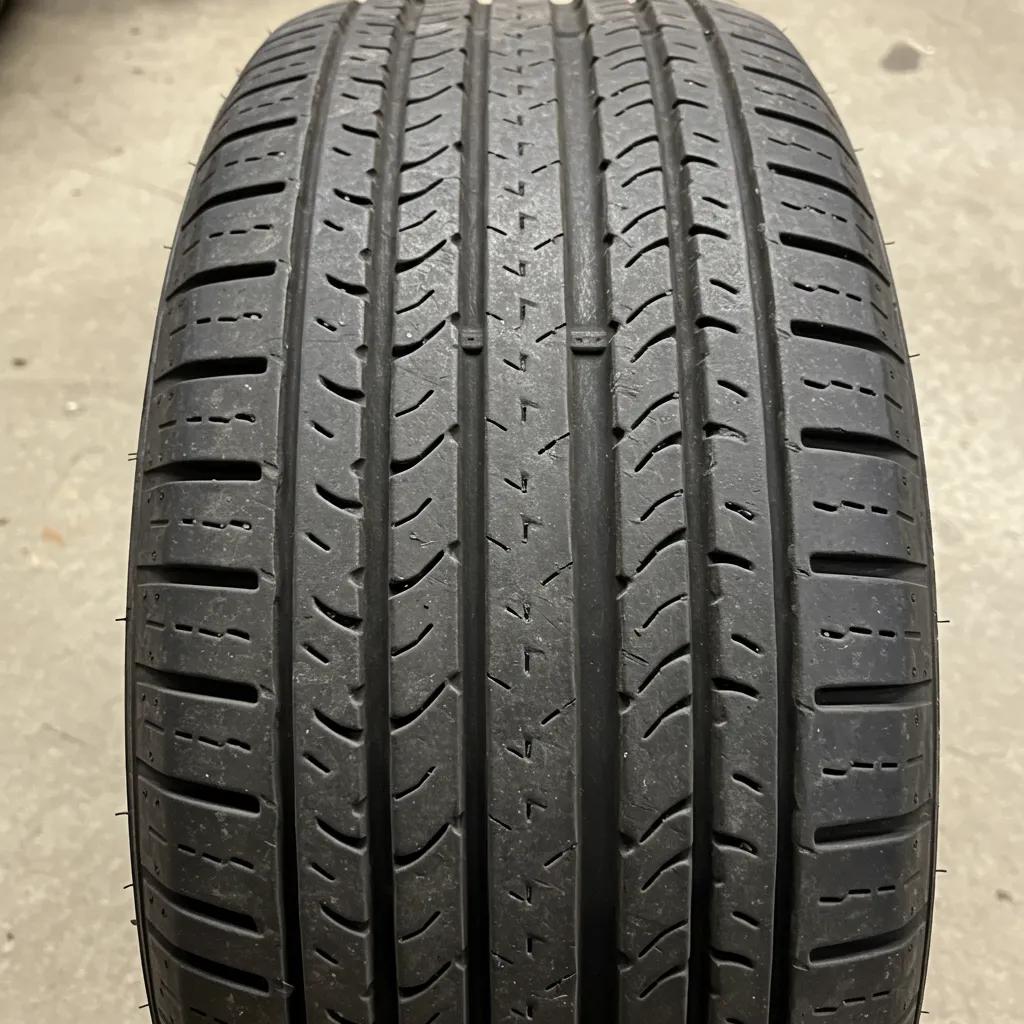
Tyre wear patterns act as visual logs of alignment health, with each pattern reflecting specific angular deviations. By mapping wear characteristics to alignment angles—camber, caster and toe—motorists can pinpoint which adjustment is required. Feathering, inner/outer wear and cupping are the most common signs and correspond to toe-in/out, negative or positive camber, and suspension issues respectively. Understanding these links equips technicians and DIY enthusiasts to target the precise corrective measures needed.
The following table summarises key patterns, their alignment causes and the implications for vehicle handling.
| Wear Pattern | Alignment Cause | Handling Impact |
|---|---|---|
| Feathering | Incorrect toe angles | Reduced straight-line stability |
| Inner/outer wear | Excessive camber | Increased cornering understeer |
| Cupping | Suspension play | Vibration and noise at speed |
Recognising these patterns enables accurate alignment checks and transitions seamlessly into preventive measures for wheel misalignment.
What Is Feathering Tyre Wear and How Is It Linked to Alignment?
Feathering appears as a saw-tooth edge across tread ribs when toe alignment is off. Improper toe angles cause the tyre to scrub laterally during rotation, producing alternating ridges. This wear pattern compromises straight-line control and accelerates overall tyre wear. Correcting toe-in or toe-out restores even contact and promotes uniform tread usage.
Identifying feathered edges early prevents full-tyre replacement and links directly to understanding inner versus outer wear causes.
How Do Inner and Outer Tyre Wear Patterns Indicate Misalignment?
Inner and outer edge wear occur when camber angles tilt the tyre excessively inward or outward. Negative camber concentrates load on the inner shoulder, while positive camber stresses the outer edge. Both scenarios reduce the contact patch during straight driving and cornering, risking traction loss. Adjusting camber to manufacturer specifications realigns the tyre perpendicular to the road, evenly distributing load.
Observing pronounced edge wear guides camber corrections and prepares for diagnosing suspension-related cupping issues.
What Does Cupping Tyre Wear Tell You About Suspension and Alignment?
Cupping manifests as scalloped dips around the tread circumference, often indicating worn suspension components and misalignment. When shocks or struts cannot maintain tyre-road contact, the tyre bounces and wears unevenly across patches. This irregular contact exacerbates alignment drift, causing further handling instability. Inspecting and replacing faulty suspension parts before realignment restores contact consistency and prevents repeat cupping damage.
Ensuring suspension integrity is essential before fine-tuning alignment, leading into a broader look at causes and prevention.
Why Does Your Car Pull to One Side and How Is It Diagnosed?
A car pulling left or right on level ground signals a lateral imbalance in alignment or tyre pressure. Unequal camber angles or toe settings create net lateral forces that shift the vehicle’s path, requiring constant steering correction. Accurate alignment realigns all wheels with the car’s centreline, eliminating unwanted drift and reducing driver effort. Diagnosing pull involves checking tyre pressures, performing a straight-road drive test and evaluating tyre wear patterns.
Technicians at Blackstone Complete Auto Care begin alignment services with diagnostic runs and tyre inspections, ensuring the identified pull originates from wheel angles rather than other factors. Addressing pull restores neutral steering and improves on-road confidence.
What Are the Safety Risks of a Car Pulling Left or Right?
Pulling increases the risk of unintended lane changes and collisions, especially at highway speeds. Drivers may overcorrect to compensate, leading to loss of control or erratic steering inputs. In emergency manoeuvres, uneven alignment can delay response and raise stopping distances. Proper alignment reduces these hazards by stabilising handling and ensuring predictable vehicle behaviour.
Reducing steering drift through alignment safeguards both occupants and other road users.
How Can You Check If Your Vehicle Drifts on Straight Roads?
To detect drift, drive on a straight, quiet road at 30–40 mph and momentarily remove hands from the wheel. If the car subtly steers left or right, alignment angles require adjustment. Recording the direction and degree of drift guides technicians in setting precise camber and toe values. Documenting tyre wear patterns alongside drift observations ensures a targeted alignment service.
This simple test empowers motorists to identify alignment faults before they escalate into uneven tyre wear.
What Role Does Wheel Alignment Play in Correcting Vehicle Pull?
Wheel alignment aligns the steering axis and wheel contact patches with the vehicle’s intended direction of travel, counteracting lateral pull. By resetting camber, caster and toe to manufacturer specifications, alignment eliminates the imbalance causing drift. Precise alignment reduces steering effort, balances tyre wear and restores handling stability. Professional alignment services, such as those offered at Blackstone Complete Auto Care, ensure calibrated measurements and accurate adjustment for every axle.
Addressing vehicle pull through alignment improves safety and prolongs the life of suspension components.
How Can Steering Wheel Issues Signal Wheel Alignment Problems?
Steering wheel anomalies often reflect deeper alignment faults rather than merely steering system wear. Off-centre position, vibration and a loose or stiff feel all arise when wheel angles deviate from spec, transferring stress to the steering column. Detecting these signals early prevents more extensive damage and ensures predictable steering behaviour under all driving conditions. Understanding steering wheel symptoms leads directly into exploring each specific indicator in detail.
What Does an Off-Centre Steering Wheel Indicate About Alignment?
An off-centre steering wheel shows that front wheels are not symmetrically aligned relative to the chassis centreline. Even when driving straight, the wheel rests at an angle, signalling toe or camber misalignment. Realigning the wheels repositions the steering wheel centrally, reducing driver fatigue and improving directional accuracy. Precise centring is essential for safe, comfortable driving and underpins all other steering corrections.
Correcting a crooked steering wheel ensures consistent feedback and smooth manoeuvring.
How Is Steering Wheel Vibration Different from Wheel Balancing Issues?

Steering-wheel vibration caused by misalignment differs from wheel balancing faults, which typically produce rhythmic thumps at specific speeds. Alignment-related vibration occurs across a broader speed range and stems from uneven tyre-to-road contact angles. Realignment restores even tread engagement, eliminating irregular forces transmitted through the steering system. Differentiating the source avoids unnecessary tyre rebalancing and targets alignment adjustments directly.
Addressing alignment-driven vibration enhances ride comfort and reduces wear on steering components.
What Does a Loose or Difficult Steering Feel Reveal About Alignment?
Loose or heavy steering often signals that camber or caster angles are out of specification. Excessive caster misalignment reduces return-to-centre force, causing a loose feel, while incorrect camber can stiffen steering inputs. Aligning caster restores self-centring action, and correcting camber improves steering responsiveness. Smooth, predictable steering not only enhances driver confidence but also supports safer cornering and emergency handling.
Fine-tuning wheel angles ensures steering effort stays within designed parameters, paving the way to preventive alignment practices.
What Causes Wheel Misalignment and How Can It Be Prevented?
Wheel misalignment often results from impacts with potholes, kerbs or road hazards that distort suspension geometry. Over time, worn ball joints, tie rods and control-arm bushings allow angles to drift beyond safe tolerances. Regular inspection and maintenance of suspension components prevent gradual misalignment and maintain alignment integrity. Understanding these causes empowers drivers to adopt precautions—such as slowing for potholes—and schedule timely checks.
Preventative alignment services, like those available at Blackstone Complete Auto Care, support suspension health and reduce the frequency of misalignment visits.
What Do Potholes and Road Hazards Lead to Wheel Misalignment?
Potholes and uneven road surfaces apply sudden lateral and vertical forces to wheels and suspension, bending control arms or knocking camber and toe angles off spec. This impact shifts wheel geometry, causing immediate misalignment that manifests as pulling or vibration. Gentle driving over damaged sections and avoiding hazards when possible reduces the risk of misalignment. Prompt alignment checks after severe impacts restore correct wheel angles and protect suspension components from long-term damage.
Proactive pothole avoidance and post-impact inspections minimise the likelihood of alignment faults.
What Are Other Common Causes of Wheel Misalignment?
Aside from road impacts, misalignment arises from worn suspension parts such as ball joints, tie rods, wheel bearings and bushings. Corroded or fatigued components allow unwanted movement under load, causing wheel angles to shift gradually. Even minor suspension play can translate into significant alignment drift over time. Regular maintenance schedules that include suspension inspections and greasing bushings ensure alignment stays within recommended limits.
Monitoring component wear supports timely replacement and consistent wheel alignment integrity.
How Often Should You Get Your Wheel Alignment Checked?
Manufacturers generally recommend a wheel alignment check every 12 months or 12,000 miles, whichever comes first. Additionally, alignment should be inspected after any significant impact such as striking a pothole or curb. Regular tyre rotations at 6,000-mile intervals also provide opportunities to assess tread wear patterns and catch early alignment drift. Consistent checks maintain optimal tyre life, fuel efficiency and handling performance.
Adhering to a scheduled alignment programme protects your vehicle investment and driving safety on every journey.
Why Is Proper Wheel Alignment Important for Your Car’s Performance?
Proper wheel alignment enhances tyre life, fuel efficiency and vehicle safety by ensuring all wheels contact the road at manufacturer-specified angles. Correct camber, caster and toe settings distribute load evenly across the tyre footprint, reducing wear by up to twenty percent and cutting fuel consumption by around ten percent. Precise alignment also improves handling responsiveness and braking stability, which are critical for emergency manoeuvres. Investing in alignment maintains car performance and reduces long-term operating costs.
The table below summarises the main performance benefits of accurate wheel alignment.
| Benefit | Mechanism | Impact |
|---|---|---|
| Tyre Longevity | Even tread contact | 20% extended tyre life |
| Fuel Efficiency | Reduced rolling resistance | 10% lower fuel usage |
| Handling Stability | Balanced steering and cornering forces | Improved safety |
How Does Wheel Alignment Improve Tyre Life and Reduce Uneven Wear?
Alignment aligns the tyre contact patch evenly across its width, preventing concentrated stress on inner or outer edges. This uniform pressure distribution slows tread wear and extends tyre service life. By maintaining correct toe and camber angles, alignment reduces vibration-related wear and feathering patterns. Consistent tyre benefits include cost savings on replacements and reliable road grip throughout tread life.
Even tread wear is the foundation for lasting tyre performance and predictable handling.
What Impact Does Wheel Alignment Have on Fuel Efficiency?
Misaligned wheels increase rolling resistance as tyres fight against uneven contact angles, forcing the engine to work harder. Restoring alignment lowers resistance and decreases fuel consumption by a measurable margin. Precise wheel angles ensure smooth tyre rotation and efficient power transfer, translating into cost savings at the pump. Regular alignment checks provide immediate and ongoing benefits to mileage economy.
Enhanced fuel efficiency contributes directly to lower running costs and reduced carbon emissions.
How Does Alignment Affect Vehicle Safety and Handling?
Accurate alignment ensures that steering, braking and cornering forces act predictably through the tyre-road interface, supporting driver control in normal and emergency conditions. Correct caster and camber angles promote stable steering return and lateral grip, while proper toe settings prevent pull and drift. Reliable handling responses shorten stopping distances and reduce roll-over risk. Alignment underpins overall vehicle dynamics, helping drivers navigate safely at all speeds.
Optimal alignment is essential for confidence-inspiring handling and robust vehicle safety.
How Can You Check for Signs of Wheel Misalignment at Home?
Home checks for misalignment focus on visual tyre inspections, simple driving tests and steering wheel assessments. With minimal tools, motorists can detect early alignment drift and decide when professional service is necessary. These DIY tests support preventive maintenance and help avoid undue tyre damage. Mastering at-home checks complements scheduled alignment visits and keeps your car performing its best between service appointments.
What Simple Tests Can Detect Uneven Tyre Wear?
Inspect each tyre by running your hand across the tread surface, feeling for high or low spots, feathering edges or scalloped dips. Use a straightedge across the tread width to identify camber or toe-related wear differences. Checking tread depth at multiple points around the tyre circumference reveals irregular wear patterns that indicate alignment drift. Recording these observations helps technicians diagnose the precise alignment adjustments required.
Early detection of uneven wear prevents full-tyre replacement and informs timely alignment corrections.
How to Check If Your Steering Wheel Is Off-Centre While Driving?
On a level road, drive at a steady 30 mph and briefly let go of the wheel (with caution and hands near). If the wheel remains angled left or right, alignment is out of tolerance. Alternatively, observe the resting position of the wheel when stopped and straight. A centred steering wheel at rest confirms correct alignment, whereas a skewed position signals the need for adjustment. Noting this symptom prompts a professional alignment check.
Verifying steering centre position supports ongoing alignment maintenance and driving comfort.
When Should You Visit a Technician for a Professional Wheel Alignment?
If DIY checks reveal persistent tyre feathering, inner or outer wear, steering drift or vibration, schedule a professional wheel alignment. After significant impacts—such as hitting a pothole or kerb—or following suspension repairs, expert alignment is essential for safety. Technicians use precision tools to measure and correct camber, toe and caster angles to manufacturer specifications. Professional service ensures alignment accuracy and protects both tyres and suspension components.
Combining at-home diagnostics with professional alignment keeps your vehicle safe, efficient and comfortable on every trip.
Regular alignment is a small investment that delivers lasting benefits in tyre longevity, fuel economy and driving confidence. Trusting alignment specialists ensures precise angles, reduced maintenance costs and a safer driving experience. Stay proactive: monitor wear patterns, perform simple road tests and consult professionals when alignment symptoms appear. Maintaining correct wheel alignment preserves vehicle performance and safeguards everyone on the road.