

Mastering Rainy Roads: Your Essential Guide to Safe Driving in Wet Weather
Wet roads are a factor in one in three collisions during the UK’s 2023 wet weather season, underscoring the critical need for careful driving and thorough vehicle preparation. This guide offers practical advice on essential car checks, tyre safety, braking adjustments, visibility, hydroplaning prevention, and overall vehicle control. You’ll learn how to get your car ready, maintain grip, adapt your braking, ensure clear sightlines, and handle aquaplaning, all with insights updated for October 2025. Throughout, we’ll touch on how regular maintenance at Blackstone Complete Auto Care bolsters wet-weather reliability and safety, complementing the core driving strategies. By mastering these wet weather safety themes—vehicle readiness, tyre condition, braking control, visibility, hydroplaning response, and safe driving habits—you can transform rainy journeys into predictable, controlled experiences.
How Can You Prepare Your Vehicle for Safe Driving in Rainy Conditions?
Getting your vehicle ready for rainy driving means inspecting key systems before you depart. A systematic check of fluid levels, tyre condition, and braking components significantly reduces the risk of skidding and losing control in wet conditions. For instance, ensuring your brake fluid is topped up and your windscreen washer reservoir is full directly enhances stopping distance and visibility when it’s raining.
Performing these checks every few weeks or before anticipated showers guarantees consistent performance. Verifying that your tyre tread meets the legal minimum depth, confirming tyre pressures align with manufacturer recommendations, and inspecting your wiper blades are foundational to preparation. Effective preparation not only lowers the risk of aquaplaning but also sets the stage for tailored servicing interventions by professionals.
What Essential Car Checks Should You Perform Before Driving in Wet Weather?
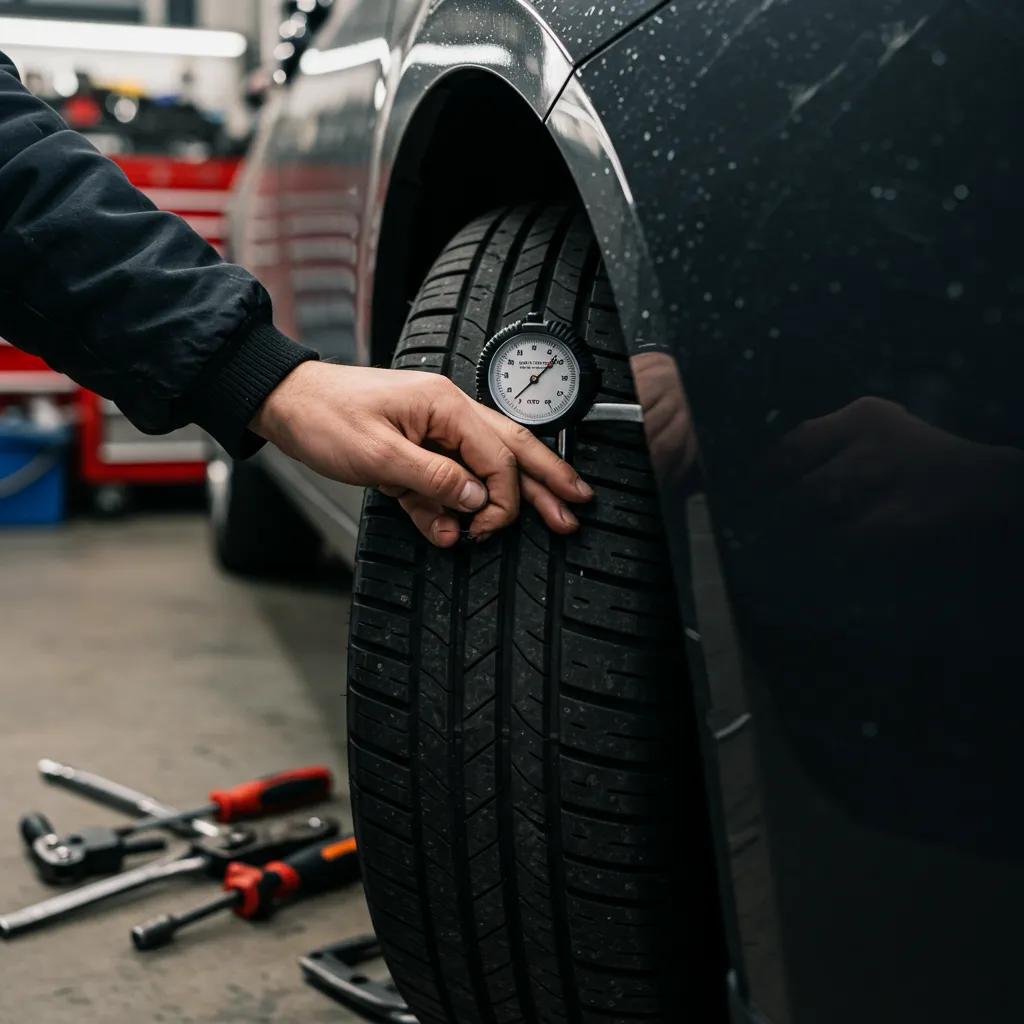
Before you drive in the rain, confirm that your engine coolant, brake fluid, and windscreen washer fluid are at their recommended levels to maintain temperature regulation, braking efficiency, and clear vision.
Inspect your tyre tread across the entire contact patch to ensure even wear and a minimum depth of 1.6 mm for adequate water dispersion.
Check all your lights—headlamps, indicators, and brake lamps—to ensure they are functioning correctly and you are visible to other road users.
Key maintenance items to address before wet-weather journeys:
- Confirm your brake fluid level and top up with manufacturer-approved fluid.
- Measure your tyre tread depth using a gauge, inspecting both the inner and outer edges.
- Replace worn wiper blades to guarantee complete water clearance.
- Clean your headlights and taillights to preserve beam intensity in low-visibility conditions.
Completing these checks prevents performance degradation in rain and establishes a solid foundation for scheduled servicing, seamlessly leading into the advantages of professional car care.
How Does Regular Car Servicing Improve Safety in Rainy Conditions?
Regular car servicing enhances safety in rainy conditions by identifying worn brake pads, leaking hoses, and cracked hoses before they fail under stress. Scheduled inspections assess fluid quality and filter integrity, preventing brake fade and the buildup of glare-reducing film on your windscreen. Professional servicing also includes diagnostics for electronic systems, ensuring your traction control and anti-lock braking systems remain fully operational in slippery circumstances.
By entrusting your car to skilled technicians, you benefit from calibrated component adjustments and the use of genuine parts. The team at Blackstone Complete Auto Care adheres to manufacturer specifications to restore peak performance, ensuring your braking distance and visibility systems operate reliably when roads are slick. Proper servicing bridges maintenance gaps that could otherwise lead to a loss of control in heavy downpours.
When Should You Replace Tyres and Wiper Blades for Optimal Rain Performance?
Tyres and wiper blades degrade gradually, diminishing their effectiveness long before total failure becomes apparent. Replace your tyres when the tread depth drops below 3 mm to maintain wet grip and reduce hydroplaning risk, even though the legal minimum is 1.6 mm. Swap out wiper blades every 6–12 months or at the first sign of streaking or skipping to preserve clear sightlines.
| Component | Replacement Criteria | Performance Benefit |
|---|---|---|
| Tyre Tread | Below 3 mm depth | Enhanced water dispersion and grip |
| Tyre Pressure | Deviates by ±3 psi from recommended | Consistent footprint and reduced wear |
| Wiper Blades | Streaking, skipping or rubber cracks | Unobstructed visibility in heavy rain |
Replacing these items promptly sustains optimal wet-weather performance and prepares your vehicle for reliable driving under rainfall.
What Are the Best Tyre Safety Practices for Driving on Wet Roads?
Tyre safety in wet weather hinges on maintaining correct tread depth, accurate inflation, and overall tyre condition to effectively channel water away from the contact surface. Properly maintained tyres reduce the likelihood of sliding on standing water and help prevent loss of steering control. For example, a tyre inflated to the manufacturer’s recommended pressure evacuates water more efficiently, preserving traction and steering response.
When checking pressure, use a calibrated gauge with cold tyres and adjust to the vehicle’s specified PSI. Regularly inspect for cuts, bulges, or uneven wear that might indicate misalignment or suspension issues. Rotate your tyres every 8,000–10,000 miles to promote uniform wear, extending wet-grip performance across all four tyres.
| Tyre Aspect | Critical Attribute | Safe Range or Value |
|---|---|---|
| Tread Depth | Water-channel depth | Minimum 1.6 mm, optimal above 3 mm |
| Inflation Level | PSI accuracy | Manufacturer-specified pressure ±3 psi |
| Physical Condition | Visible damage | No cuts, cracks or bulges |
Adopting these tyre safety practices underpins stable handling in precipitation and transitions naturally into professional tyre services.
Why Is Tyre Tread Depth Critical for Wet Weather Driving?
Tyre tread depth refers to the depth of the grooves on a tyre’s surface and dictates how efficiently water is expelled from beneath the tyre. Shallow grooves trap water, reducing road contact and increasing the risk of hydroplaning. Maintaining tread above 3 mm ensures the channels can evacuate water swiftly, preserving friction between the tyre and the road surface.
Beyond legal compliance at 1.6 mm, aiming for 3–4 mm of tread depth provides a crucial safety margin in heavy downpours or on flooded roadways. Regular tread inspections using a depth gauge at multiple points across the tyre surface allow for early detection of irregular wear patterns and prompt corrective alignment or rotation, reinforcing the importance of balanced tyre condition.
How Do You Check and Maintain Correct Tyre Pressure in Rain?
Checking tyre pressure in wet conditions requires verification when the tyres are cold, as driving heat increases internal pressure. Use a reliable pressure gauge and inflate or deflate each tyre to match the vehicle manufacturer’s specified PSI. Correct pressure maintains the intended contact patch, evenly distributing vehicle weight and maximising water evacuation from the tread channels.
Underinflated tyres increase rolling resistance and generate excess heat, leading to premature wear and uneven tread, while overinflation shrinks the contact patch and reduces traction. Routine monthly pressure checks and adjustments before anticipated rain events ensure consistent performance and lower hydroplaning potential.
How Does Tyre Condition Help Prevent Hydroplaning?
A tyre’s condition—including its tread depth, inflation, and structural integrity—directly impacts its ability to cut through standing water rather than float on top. Well-profiled grooves channel water sideways, preventing trapped layers beneath the tyre that lead to a loss of steering control. Maintaining balanced tyre wear and correct pressure supports maximum water displacement and stable vehicle handling.
Regular condition assessments through visual inspection and professional tread analysis ensure each tyre retains its designed groove geometry. This ongoing vigilance mitigates aquaplaning hazards and reinforces the broader vehicle control strategies detailed later in this guide.
What Tyre Services Does Blackstone Complete Auto Care Offer to Enhance Wet Road Safety?
Blackstone Complete Auto Care provides comprehensive tyre inspections, pressure calibration, and full replacements using premium wet-weather tyre models. Each service includes detailed tread depth measurements, alignment checks, and rotation to guarantee even wear. Our technicians advise on the most suitable tyre compounds for UK rainy conditions and install products matched to your vehicle’s weight and driving style.
By choosing tyre services from Blackstone Complete Auto Care, drivers benefit from expert recommendations on tyre type selection, regular maintenance reminders, and performance feedback. Properly serviced tyres enhance all driving techniques covered in this article, promoting safer journeys when rain challenges road grip.
How Should You Adjust Your Braking Techniques When Driving in the Rain?
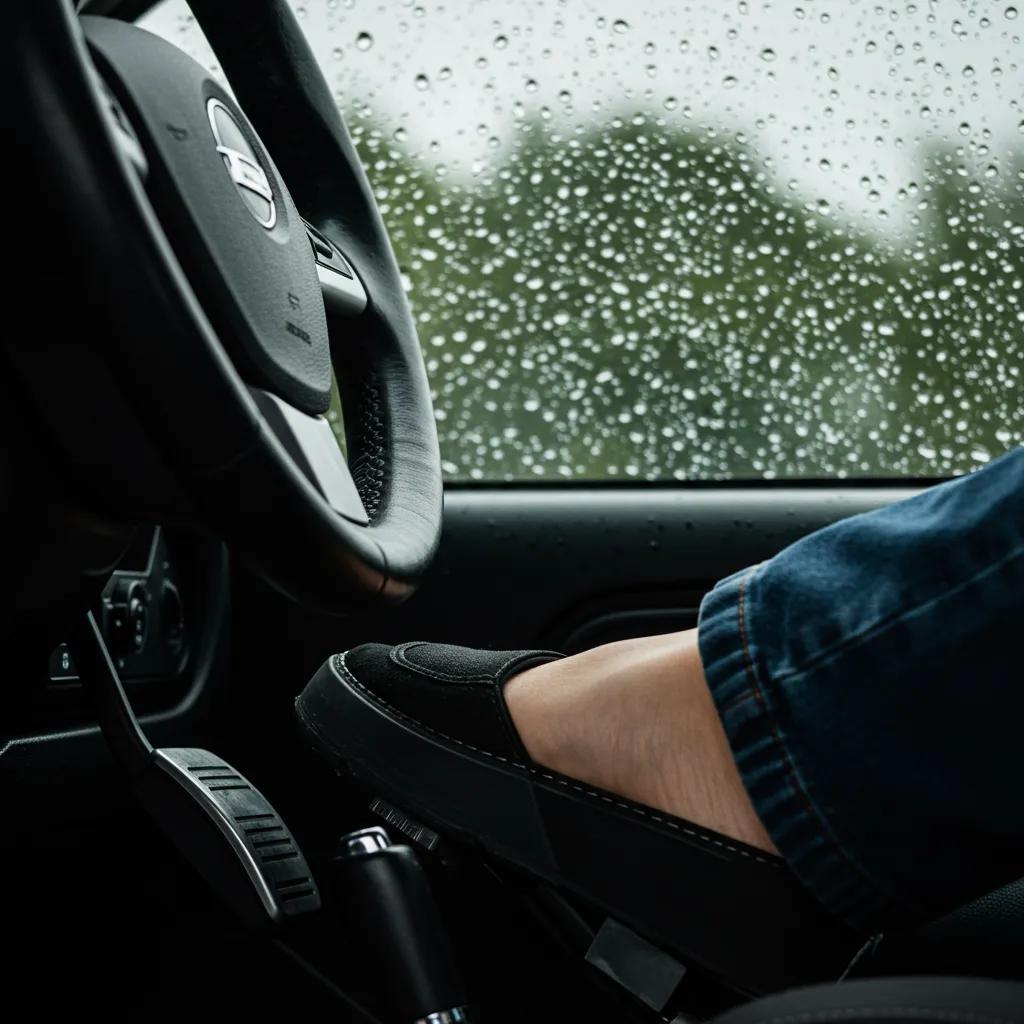
Braking in rainy conditions requires allowing more distance for stopping and applying pressure gently to avoid wheel lock-up. Smooth, progressive application of the brake pedal increases hydraulic pressure in a controlled manner, preventing abrupt shifts that can lead to skidding. For instance, initiating braking earlier and easing off just before coming to a halt helps maintain tyre-to-road traction when surfaces are slick.
Adapting your braking technique also involves utilising engine braking by easing off the throttle before applying the brakes, spreading deceleration forces across drivetrain components. Combining this approach with effective anti-lock braking operation provides a balanced deceleration strategy and connects directly to the importance of brake system maintenance.
What Are Safe Braking Practices to Avoid Skidding on Wet Roads?
Safe braking practices begin with a firm initial press on the pedal followed by a gradual increase in force, rather than a single deep application. This method allows tyres to adjust to the braking load without losing grip. Drivers should also avoid braking while turning, as lateral forces combined with heavy braking can overwhelm traction and initiate a skid.
Maintaining a two-second gap per 10 mph in clear weather—and at least four seconds in wet conditions—ensures sufficient reaction time to brake smoothly. Practising gentle deceleration on empty roads helps drivers feel the threshold between grip and slide, reinforcing controlled braking techniques.
How Does ABS Help Maintain Control During Wet Weather Braking?
The anti-lock braking system (ABS) is designed to prevent wheel lock-up during severe braking, which is crucial for maintaining steering control on slippery surfaces.
ABS Braking Systems: Enhancements in Road Safety and Steering Control
The review indicates that ABS significantly enhances road safety by preventing wheel lock-up, thereby maintaining vehicle steerability during severe braking. This can notably reduce the likelihood of accidents and shorten stopping distances.
An antilock-braking systems (ABS) control: A technical review, 2011
ABS systems work by sensing wheel rotation speed and adjusting hydraulic pressure to prevent wheel lock-up under slippery conditions.
The presence of ABS contributes to shorter stopping distances on wet surfaces and enhances predictable vehicle behaviour. Understanding this mechanism reinforces why regular brake inspections—including ABS sensor checks—are crucial to wet-weather safety.
Why Is Brake System Maintenance Vital for Reliable Stopping in Rain?
Brake system maintenance ensures pad thickness, rotor condition, and hydraulic fluid quality remain within optimal parameters for consistent performance. Worn pads reduce braking efficiency and introduce uneven friction, while degraded fluid can absorb moisture and lower its boiling point, causing fade under repeated stops. Regular inspections detect these issues before they compromise stopping power.
Timely replacement of brake pads, rotors, and fluid preserves pedal feel and responsiveness in rain. This vigilance supports all braking techniques recommended in this guide, ensuring each stop is reliable and safe under wet conditions.
How Can Blackstone Complete Auto Care’s Brake Services Improve Your Safety in Rain?
Blackstone Complete Auto Care’s brake services include precision pad and rotor replacement, fluid flushes, and ABS diagnostics performed to manufacturer standards. Technicians test braking performance on specialist rollers and inspect sensors to confirm full ABS functionality. These interventions restore optimal hydraulic pressure and friction levels, translating into dependable stopping distances in heavy rain.
Relying on Blackstone Complete Auto Care for brake system maintenance ensures your vehicle’s braking components work in harmony with your driving techniques, elevating wet-weather safety through expert care.
How Can You Maintain Clear Visibility While Driving in Rainy Conditions?
Consistent visibility depends on effective water removal from the windscreen, proper illumination, and rapid demisting. Functional wiper blades and correctly aimed headlights illuminate the road and ensure you spot hazards in low-contrast environments. For instance, blades in good condition clear water evenly without streaks, extending sightlines during sustained rainfall.
Demisting systems that direct warm air across the glass surface prevent condensation buildup, which can blur vision. Proper use of fan settings, air-recirculation controls, and temperature adjustments maintains a clear layer of external moisture removal, tying directly to headlight usage and wiper efficiency.
How Effective Are Wiper Blades and When Should They Be Replaced?
Wiper blades effectively sweep water when the rubber edge maintains firm contact and the frame applies even pressure across the windscreen. Over time, the rubber hardens or tears, leading to streaking and chatter. Replace blades at the first sign of skipping or when smear patterns exceed 150 mm in length, as these defects reduce your reaction time to see obstacles.
Regular inspection every three months before peak rainy seasons ensures blades remain pliable and functional. This practice complements headlight usage by keeping sightlines clear for maximal beam effectiveness.
When and How Should You Use Headlights in Wet Weather?
Using dipped headlights whenever your windscreen wipers are active improves your visibility to other road users and enhances your own ability to see the road surface. Front fog lamps can supplement visibility in heavy showers by illuminating the road immediately in front of the vehicle without reflecting off suspended water droplets. Adjust beam height if load changes occur to prevent glare and maintain an even light pattern.
Activating headlights early—well before darkness—provides a signal to oncoming drivers of your presence and encourages reciprocal visibility measures. This procedure flows into effective demisting methods by ensuring the driver can see and be seen.
What Are the Best Methods to Demist Windows for Clear Vision?
Effective window demisting requires directing warm, dehumidified air onto the glass surface to evaporate condensation. Activate the air-conditioning system in defrost mode to remove moisture from the cabin air, then switch to a higher blower setting at moderate temperature. Use external air rather than recirculated air to introduce lower-humidity air and accelerate clearing.
Combining airflow with intermittent wiper use prevents water accumulation, creating uninterrupted visibility. These demisting techniques, alongside blade and light maintenance, complete a holistic approach to maintaining clear sightlines in rain.
What Causes Hydroplaning and How Can You Prevent and Recover From It?
Hydroplaning occurs when a layer of water builds up between the tyre tread and road surface, causing a loss of steering and braking control. High speed, standing water, and worn tyres are primary causes that combine to lift the tyre off the tarmac. Proper tyre maintenance and speed management reduce the risk and provide the means to recover if you enter an aquaplaning event.
Recognising hydroplaning swiftly and responding calmly—by easing off the accelerator and steering straight until grip returns—allows drivers to regain control without abrupt inputs. These preventative and reactive strategies connect directly to safe following distances and speed adjustments covered later.
What Factors Increase the Risk of Hydroplaning in Rain?
Standing water depth, high vehicle speed, and worn tyre tread each increase hydroplaning risk by reducing tyre-road contact pressure. Heavy downpours create pockets of water that a tyre must evacuate, while excessive speed prevents channels from displacing water fast enough. Tyres with less than 3 mm of tread struggle to channel water, leaving a film between the rubber and the road.
Regular tyre condition checks, reduced speed in flooded areas, and avoiding abrupt lane changes minimise the combined factors that lead to aquaplaning, reinforcing the importance of tyre safety practices discussed earlier.
How Can Drivers Recognise and React to Hydroplaning?
Drivers recognise hydroplaning when the steering feels light, the engine note changes, and the vehicle drifts slightly despite steering input. Reacting by lifting off the accelerator and maintaining a straight heading allows the tyre contact patch to reengage as speed decreases. Avoid braking or abrupt steering until traction returns, then gently apply brakes once you have regained control.
Practising this recovery response in a controlled environment builds muscle memory for real-world events and ties back to smooth braking techniques under wet conditions.
How Does Reducing Speed and Maintaining Tyres Help Prevent Hydroplaning?
Reducing speed lowers the volume of water a tyre must clear per rotation, while properly inflated grooves handle water more effectively. Maintaining tyre pressure that matches manufacturer guidance ensures the contact patch remains optimised for water evacuation. Together, these measures keep the tyre firmly planted, preventing the lift-off phenomenon associated with aquaplaning.
These prevention strategies integrate seamlessly with the vehicle preparation and tyre safety practices outlined earlier, completing the hydroplaning prevention framework.
How Can You Control Your Vehicle Safely in Wet Conditions?
Controlling a vehicle in rain requires calibrated speed, increased following distance, and avoidance of sudden movements. Balanced throttle application prevents wheel spin on acceleration, while steering inputs should be smooth to maintain tyre grip. For instance, gentle acceleration through a bend keeps weight distribution stable and minimises the chance of understeer or oversteer incidents.
These behavioural techniques rely on a vehicle that has been prepared and maintained to optimal standards, linking vehicle control with all preceding sections on readiness, braking, visibility, and hydroplaning.
What Is the Recommended Following Distance for Wet Weather Driving?
In wet conditions, increase the recommended clear-road following distance to at least four seconds to compensate for extended braking distances and reduced traction. Measure this gap by noting a fixed roadside reference and counting seconds from the vehicle ahead passing that point until you reach it. A longer buffer offers time to respond calmly to sudden stops or hazards.
This extended spacing supports the smooth braking practices described earlier and reduces the risk of secondary collisions when roads are slippery.
How Should You Adjust Your Speed to Maintain Vehicle Control in Rain?
Adjust your speed downward from posted limits based on visibility and surface conditions, often by 10–20 mph below dry-road limits when heavy rain reduces grip. Smoothly modulate throttle input to prevent sudden weight transfer, which can unsettle tyres. Using lower gears on inclines also aids in maintaining control without excessive brake usage.
Being attentive to changing conditions—such as deeper puddles or worn road surfaces—ensures that your speed adjustments remain appropriate and consistent with safe handling principles.
What Driving Movements Should Be Avoided to Prevent Loss of Control?
Avoid harsh steering corrections, rapid lane changes, and abrupt braking when roads are wet, as these actions can overload tyre grip and lead to skids. Steering should be gentle and progressive, while braking must be smooth, with anticipatory use of engine braking when decelerating. Keeping inputs deliberate and measured preserves traction and supports predictable vehicle behaviour.
These movement guidelines integrate with all wet-weather driving techniques, reinforcing a holistic approach to maintaining control when surfaces are slippery.
Where Can You Get Expert Vehicle Maintenance to Ensure Safe Driving in Rain?
Professional maintenance ensures that every component—from tyres and brakes to wiper blades and fluids—performs reliably in rainy conditions. Experienced technicians can diagnose hidden wear, calibrate safety systems, and recommend preventive replacements before failure occurs. A comprehensive safety check brings together all the vehicle preparation steps and driving techniques described in this guide.
What Services Does Blackstone Complete Auto Care Provide for Rainy Weather Vehicle Safety?
Blackstone Complete Auto Care offers full vehicle safety checks that include brake inspections, tyre assessments, wiper blade replacements, and fluid top-ups. Technicians perform alignment and suspension evaluations to ensure even tyre wear, test ABS functionality, and verify all lights operate at peak brightness. These integrated services optimise each safety element for reliable wet-weather performance.
How Can Booking a Safety Check at Blackstone Complete Auto Care Help Prevent Rain-Related Accidents?
Scheduling a safety check identifies potential faults—such as worn brake pads or cracked hoses—before they compromise control in rain. Expert diagnostics and timely part replacement reduce mechanical failures, while professional advice on tyre selection and maintenance intervals enhances driver preparedness. Proactive care at Blackstone Complete Auto Care minimises the risk of accidents caused by unpredictable system degradation in wet conditions.
How to Contact Blackstone Complete Auto Care for Professional Car Care Before the Rainy Season?
To arrange a pre-rainy-season service, contact Blackstone Complete Auto Care by phone or by visiting their website for appointment details. Our team will guide you through available service packages and maintenance options tailored to your vehicle type. Early booking ensures your car is inspected and repaired in time for anticipated wet weather, delivering peace of mind when rain arrives.
Routine maintenance before heavy rainfall integrates all the safety measures outlined above, completing the journey from preparation to confident control in rainy conditions.
Rain introduces unpredictable hazards, but drivers who prepare their vehicles, maintain tyre and brake systems, adjust techniques, and monitor conditions can navigate wet roads safely. Consistent maintenance from professionals like Blackstone Complete Auto Care reinforces every step, from tread depth checks to ABS calibration. By applying these safe driving tips for rainy conditions, motorists enhance their control, reduce accident risk, and enjoy greater confidence behind the wheel. Mastering these strategies transforms wet-weather driving from a peril to a manageable, secure experience.