

How Often Should I Change My Oil? Engine Oil Change Frequency and Recommendations for Car Maintenance
Skipping regular oil changes means more wear on your engine and less miles per gallon. This guide will walk you through what an oil change involves, why it’s crucial for keeping your engine healthy, and how factors like oil type, your driving habits, and your car’s age affect how often you need one. You’ll also learn to spot the signs of old oil, weigh up doing it yourself versus a professional service, get an idea of UK costs for 2025, and pick up some top tips for making your engine last. By the time you finish reading, you’ll have a clear maintenance plan and practical advice to boost your engine’s performance, make your oil last longer, and protect your investment.
What Is an Oil Change and Why Is It Important for Engine Health?
An oil change is the process of draining out old engine oil, swapping out the oil filter, and topping up with fresh lubricant to restore its proper thickness and ability to catch dirt. Engine oil acts as a hydraulic fluid for lifters, a coolant for key parts, and a cleaner that carries away tiny metal fragments. Changing your oil at the recommended times stops it from breaking down, keeps its protective film strong, and ensures continuous lubrication even under intense heat.
Oil that’s dirty or old loses its ability to reduce friction, leading to metal-on-metal contact and faster wear on engine components. Fresh oil contains detergents and dispersants that neutralise acids and trap soot, keeping your engine in top shape. Understanding the oil change process is the first step to choosing the right schedule based on your oil type, how you drive, and what the manufacturer advises.
What Does an Oil Change Involve?
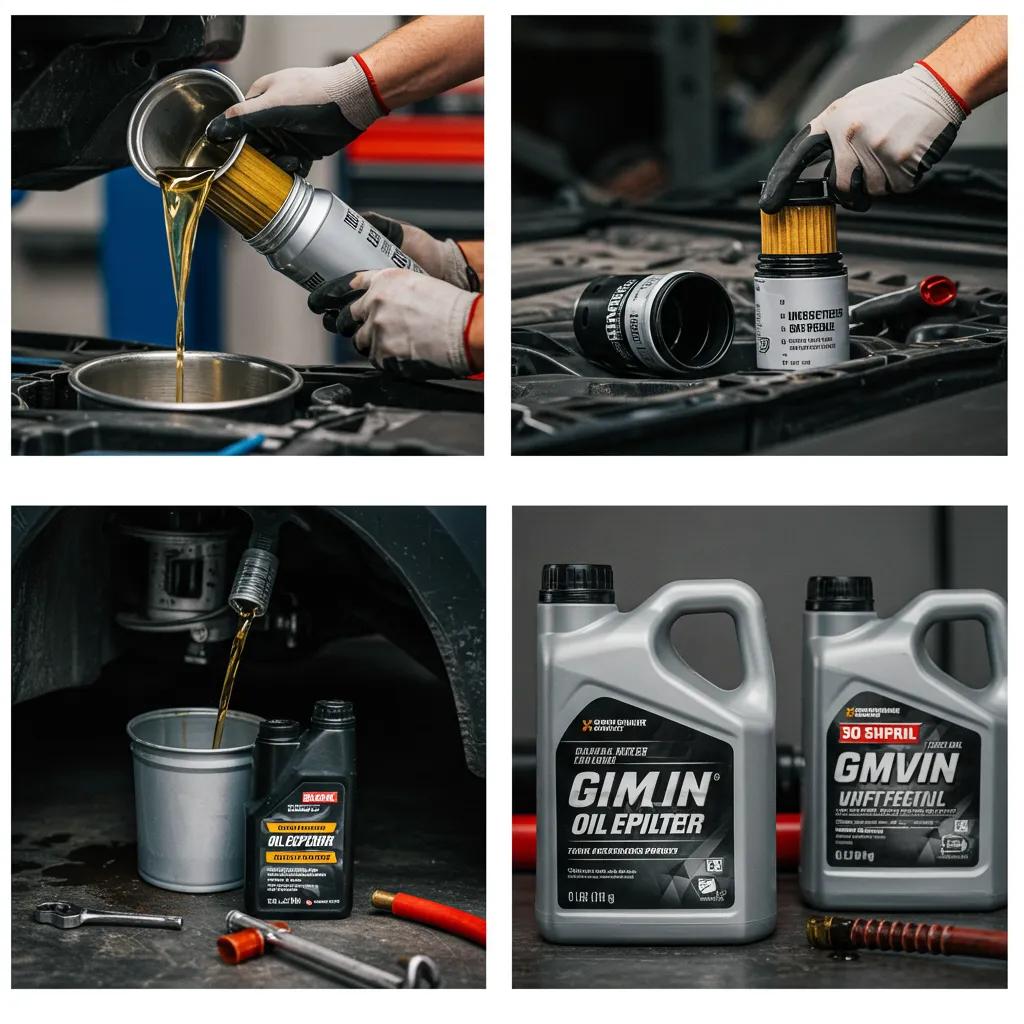
A standard oil change involves four main steps:
- Draining all the old engine oil to remove contaminants.
- Swapping the oil filter to ensure the new oil is properly filtered.
- Checking gasket seals and the drain plug for any signs of wear or leaks.
- Filling up with the manufacturer’s recommended engine oil and checking the level with a dipstick.
Each step is vital for lubrication, cooling, and cleaning by refreshing the oil’s additives and filtering system. Doing these steps correctly ensures maximum protection for moving parts and prevents premature engine damage.
Regularly carrying out these tasks improves engine efficiency, cuts down on fuel use, and boosts long-term reliability. A consistent process also gives technicians a chance to inspect underbody parts, spotting potential issues early on.
How Does Engine Oil Protect Your Vehicle?
Engine oil shields internal components by creating a thin film that separates metal surfaces, reducing friction and heat build-up during high RPMs. Viscosity ratings, like 5W-30 or 10W-40, dictate how the oil flows at different temperatures, ensuring quick lubrication when you start up and stable protection when the engine is hot. This constant film prevents scoring on cylinder walls, piston rings, and crankshaft bearings, which in turn improves engine performance and fuel economy.
Beyond physical protection, modern engine oils include detergent additives that neutralise acids from combustion and dispersant molecules that keep soot particles suspended. These chemical actions maintain internal cleanliness, preventing sludge and deposits from forming on camshafts, lifters, and valve trains. Together, these protective features ensure consistent power delivery and minimise wear throughout the engine’s lifespan.
Why Regular Oil Changes Prevent Engine Damage
Regular oil changes prevent engine damage by removing abrasive contaminants and restoring the effectiveness of the oil’s additives. As oil circulates, it picks up combustion by-products, metal fragments, and moisture that speed up corrosion and wear. Fresh oil replenishes anti-wear agents and antioxidants that stabilise viscosity and neutralise corrosive substances.
Keeping the lubrication system clean reduces friction, directly boosting engine efficiency and preventing overheating. Scheduling oil changes according to recommended intervals also means replacing the filter, which reinforces contaminant control. Combined, these actions extend engine life and protect vital components from permanent damage.
How Often Should You Change Your Oil? Recommended Intervals by Oil Type
How often you need an oil change mainly depends on the type of engine oil and how you use your vehicle. Conventional mineral oil typically needs changing every 5,000–7,500 miles or every 6 months, while semi-synthetic blends extend this to 7,500–10,000 miles or 9–12 months. Full synthetic oil offers superior resistance to heat and oxidation, allowing for safe intervals of 10,000–15,000 miles or 12–24 months under normal driving conditions.
Here’s a breakdown of common oil types and their recommended mileage and time intervals.
| Oil Category | Mileage Interval | Time Interval |
|---|---|---|
| Conventional | 5,000–7,500 miles | 6 months |
| Semi-Synthetic | 7,500–10,000 miles | 9–12 months |
| Full Synthetic | 10,000–15,000 miles | 12–24 months |
These guidelines strike a balance between lubrication performance, cost, and environmental impact. Choosing the right oil type sets the foundation for your personalised maintenance schedule and supports engine health across different mileages and seasons.
What Is the Synthetic Oil Change Interval?
Full synthetic oil change intervals typically fall between 10,000 and 15,000 miles or 12 to 24 months, whichever comes first. Synthetic formulas are more resistant to breaking down under high temperatures, help maintain stable viscosity during cold starts, and contain advanced additive packages to prevent deposits. These oils support longer drain intervals by maintaining film strength and slowing down oxidation.
Using synthetic oil can improve fuel economy by up to 2 percent and reduce emissions through cleaner combustion. Longer intervals mean fewer service visits and less waste oil, offering both environmental and financial benefits over time. Manufacturers often specify synthetic intervals in owner manuals to ensure optimal engine protection and long-term performance.
How Often Should You Change Conventional and Semi-Synthetic Oil?
Conventional mineral oil generally needs replacing every 5,000 to 7,500 miles or six months because it oxidises and its additives deplete faster. Semi-synthetic blends extend this range to 7,500–10,000 miles or nine to twelve months by combining mineral oil with synthetic base stocks. This hybrid approach offers a good balance between affordability and improved heat resistance and deposit control.
While semi-synthetic oil performs better in cold conditions than mineral oil, it still doesn’t match full synthetics in extreme heat. Drivers should consider their typical temperature extremes and driving habits when choosing between these types. Sticking to these intervals ensures reliable lubrication and prevents accelerated engine wear.
How Do Manufacturer Recommendations Affect Oil Change Frequency?
Manufacturer oil change schedules are based on extensive testing of engine design, turbochargers, emission systems, and onboard diagnostics. The specific make and model of your vehicle influence recommended intervals due to engine complexity, operating pressures, and expected driving conditions. Following these guidelines helps maintain warranty coverage and utilises factory-optimised maintenance strategies for the best engine function.
Modern vehicles often come equipped with oil life monitoring systems that track temperature cycles, idling time, and mileage to calculate precise service intervals. These systems alert drivers when an oil change is needed, adapting to real-world usage rather than fixed mileage or timeframes. Adhering to manufacturer recommendations combines diagnostic accuracy with preventative maintenance to support engine longevity.
Where Can You Find Your Car’s Oil Change Schedule?
Your car’s oil change schedule can be found in the vehicle owner’s manual, usually under the maintenance intervals section, often summarised in a service chart or appendix. Many manufacturers also offer digital guides through their in-car infotainment systems or mobile apps. Dealership service centres and authorised mechanics can access factory service bulletins to confirm interval recommendations for specific engine types.
Consulting the official schedule ensures accurate maintenance planning and reduces the risk of missed or premature oil changes. Keeping a record of past services, along with mileage and date stamps, simplifies future planning and warranty claims.
What Factors Affect How Often You Should Change Your Oil?
Several factors beyond oil type influence how often you need an oil change, including your driving style, the season, and your vehicle’s condition. Severe driving conditions—like frequent stop-start traffic, long motorway journeys with heavy loads, or towing—speed up oil contamination and thermal stress. In these situations, shortening the mileage or time intervals provides better engine protection.
How Do Driving Conditions Influence Oil Change Frequency?
Stop-start urban driving puts significant thermal stress on engine oil, trapping moisture and increasing contaminant levels faster than steady motorway driving. Towing or carrying heavy loads raises oil temperature and shear forces, accelerating the depletion of additives. In contrast, long motorway cruises maintain stable operating temperatures and lower contamination, allowing for longer drain intervals.
Adjust your intervals to every 5,000 miles or six months if you primarily drive in severe urban conditions, whereas mostly motorway driving might allow for up to 15,000 miles before service. Understanding your driving patterns and matching them with the oil’s performance characteristics ensures that lubrication protection is never compromised by unexpected operating stresses.
Used Oil Analysis for Optimising Engine Oil Drain Intervals
This research concludes that the iron content of used oil can be employed to determine the oil drain interval, thereby optimising oil usage in the engine and minimising the wear process. Using an engine dynamometer, the optimal oil drain interval for a fully synthetic 15W50 oil was determined to be 11,000 km.
Used oil analysis and study of oil drain period in gasoline engine, H Kaleli, 1998
Does Vehicle Age and Mileage Change Oil Change Needs?
Engines with high mileage often experience increased blow-by gases and produce more soot, which degrades oil more quickly than in newer engines. As components wear and tolerances widen, oil consumption rises, leading to faster oxidation and contaminant build-up. Using a higher viscosity grade or a synthetic blend with robust anti-wear additives can help compensate for these changes and maintain protective film strength.
Older vehicles might also have minor leaks and hardened seals, which benefit from more frequent oil checks and changes to prevent low-oil situations. Regular oil analysis can detect higher levels of iron or silicon, guiding interval adjustments and preventing costly engine repairs.
How Does Climate Impact Oil Change Intervals?
High ambient temperatures accelerate oil oxidation and additive depletion, especially if oil coolers or thermostats aren’t working efficiently. Conversely, cold climates increase oil viscosity when starting up, straining the battery and oil pump while delaying proper circulation. Seasonal temperature fluctuations mean you should choose oils with appropriate viscosity grades (e.g., 0W-20 for winter, 10W-40 for summer) and adjust service intervals accordingly.
In areas where temperatures regularly exceed 30 °C or drop below −10 °C, reducing the time interval by 25 percent ensures the oil maintains sufficient viscosity and chemical stability. Aligning your service schedule with seasonal demands protects critical engine parts through extreme temperatures.
What Are the Signs That Your Car Needs an Oil Change?
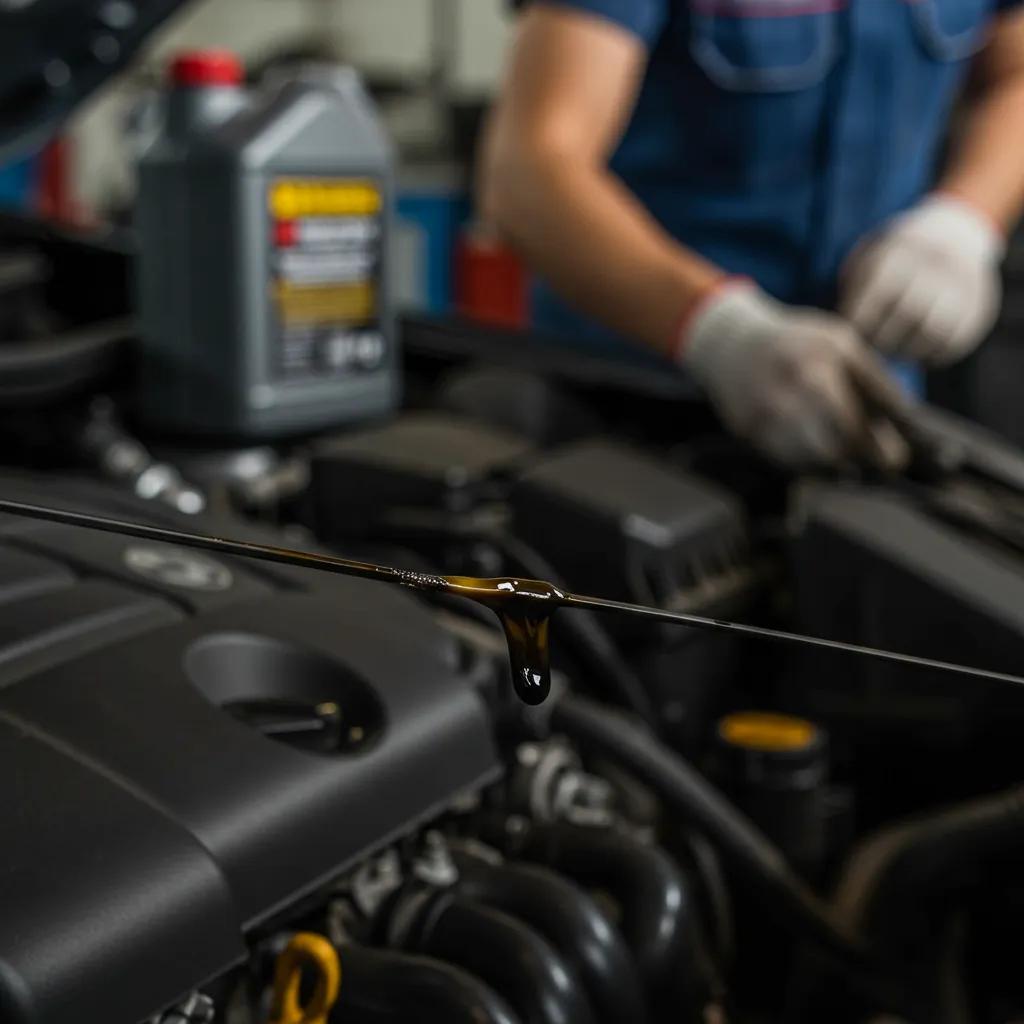
Spotting the early warning signs of degraded engine oil can prevent permanent damage and expensive repairs. A low oil level on the dipstick, dark or sludgy oil appearance, unusual engine noises, and a persistent oil-change warning light all indicate the need for service. Addressing these cues promptly allows for corrective action before lubrication failure leads to component wear or overheating.
What Are the Top 5 Warning Signs of Dirty or Low Engine Oil?
Before your scheduled oil service is due, keep an eye out for these five critical indicators:
- Engine knocking or ticking sounds, suggesting metal-on-metal contact.
- Dark brown or black oil on the dipstick, indicating oxidation and soot build-up.
- The oil-change warning light illuminating, triggered by onboard sensors.
- A noticeable drop in fuel economy as friction increases with degraded oil.
- Visible oil leaks under the vehicle, pointing to worn seals or a low oil level.
These signs directly reflect compromised lubrication, reduced viscosity, and failing additive performance. Responding to any of these indicators helps restore oil integrity and prevents accelerated wear.
How Does a Dirty Oil Filter Affect Engine Performance?
A blocked oil filter restricts oil flow, putting strain on the oil pump and causing inconsistent lubrication to bearings and camshaft lobes. Reduced flow increases operating temperatures and friction, which can trigger warning lights or limp-home modes in modern engines. Pressure relief valves might open prematurely, bypassing the filter and allowing particles to circulate freely.
Replacing the oil filter with every oil change maintains fluid cleanliness, supports optimal oil pressure, and ensures complete contaminant removal. Frequent filter replacement complements oil quality maintenance, collectively preserving engine health and performance.
What Happens If You Don’t Change Your Oil on Time?
Ignoring scheduled oil changes leads to acid build-up, varnish formation, and loss of film strength, resulting in rapid component wear and the potential for the engine to seize. Oxidation hardens oil into sludge that blocks oil passages and starves critical parts of lubrication. This chain of failures can lead to costly repairs or a complete engine replacement.
Sticking to the recommended intervals prevents these outcomes by ensuring fresh additives and uncontaminated base oil circulate continuously. Timely oil changes deliver predictable engine performance and avoid unexpected downtime.
Factors Influencing Engine Oil Change Frequency and Environmental Impact
Timely oil changes, in addition to having an obvious influence on the engine wear process, also have a significant impact on the environment. Therefore, studying the motives and factors that govern oil changes is crucial for optimising the period of engine oil utilisation. This paper presents the results of a questionnaire concerning the frequency of oil changes, the factors influencing the timing of oil changes, the location of oil changes, and oil top-ups.
An empirical study of the variables affecting the frequency of engine oil change in the environmental aspect, A Wolak, 2019
How Is an Oil Change Done? DIY vs. Professional Services Explained
An oil change can be done at home or by trained technicians, with each option offering distinct benefits. Professional services have the advantage of specialised equipment, proper waste disposal, and multi-point inspections, while DIY oil changes offer cost savings and hands-on control. Understanding both approaches helps you decide based on your skill level, available tools, and time.
What Are the Steps in a Professional Oil Change Service?
Professional workshops follow a standard five-step process:
- Warm up the engine to ensure the oil flows easily when drained.
- Safely raise the vehicle using ramps or a lift for access underneath.
- Remove the drain plug and oil filter to let out the used oil and contaminants.
- Install a new oil filter, refit the drain plug with a new gasket, and tighten to the specified torque.
- Refill with the correct grade of engine oil, check the level, and reset any service indicators.
This structured process often includes checks on the chassis and fluid levels, providing added value through inspections of brakes, suspension, and underbody components. The combination of precise diagnostics and contaminant control ensures complete engine protection.
Can You Change Your Oil Yourself? Pros and Cons of DIY Oil Changes
Changing your own oil can save up to 50 percent on service costs and help you understand engine maintenance better. DIY enthusiasts gain direct control over filter choice, oil brand, and how waste oil is disposed of. However, incorrectly tightening the drain plug, using the wrong oil grade, or improper disposal can pose risks and legal issues.
Professional services eliminate these uncertainties by following manufacturer procedures, using calibrated tools, and disposing of waste oil in line with regulations. DIY oil changes require skill, the right tools, and suitable facilities, making them best suited for experienced hobbyists or those with workshop access.
What Does a Typical Oil Change Service Include?
A comprehensive oil change service usually includes:
- Draining and recycling of used engine oil and filter.
- Installation of a replacement filter and inspection of seals.
- Topping up to the manufacturer’s specified oil grade and volume.
- A multi-point vehicle inspection covering brakes, belts, hoses, and fluid levels.
- Resetting electronic service interval indicators and providing a service record.
This package ensures oil quality is restored, component health is checked, and documentation is provided for warranty and resale purposes. Combining filtration, lubrication, and inspection in one visit maximises engine reliability and owner peace of mind.
How Much Does an Oil Change Cost in the UK in 2025?
Oil change prices in 2025 will vary depending on the oil type, vehicle complexity, and the service provider’s operating costs. On average, a conventional oil change costs £40–£60, semi-synthetic services range from £60–£80, and full synthetic packages are typically £80–£120. Premium workshops that include multi-point checks and use OEM filters might charge at the higher end of these ranges.
What Factors Influence the Price of an Oil Change?
Several factors affect the service cost:
- The type and brand of oil, with synthetic formulations generally costing more.
- The quality of the filter and any other parts that need replacing (e.g., sump gasket).
- The vehicle’s engine configuration, as high-capacity or dual-filter systems require more product and labour.
- The workshop’s location, overheads, and whether diagnostic inspections are included.
- Environmental disposal fees and costs associated with regulatory compliance.
Understanding these elements helps you compare service quotes and find the best balance of cost, quality, and convenience.
How Can You Find Affordable Oil Change Services Near You?
To find cost-effective oil change services, compare local independent garages, mobile mechanics, and national chains. Look out for seasonal offers or loyalty discounts that bundle oil changes with other services like brake checks or fluid flushes. Checking customer reviews and what’s included in the service ensures you get good value without compromising on quality or engine protection.
Are There Cost Benefits to Using Synthetic Oil Despite Higher Price?
Although synthetic oil has a higher upfront cost, its extended drain intervals can reduce service frequency by up to 50 percent, offsetting the extra expense over time. Synthetic formulations improve fuel economy and offer better protection in extreme conditions, lowering the risk of costly repairs. When you consider the engine’s entire service life, savings on labour and reduced wear often justify the premium investment in synthetic oil.
Predicting Motor Oil Change Intervals for Civilian Vehicles Under Various Conditions
The interval for changing automobile lubricating oil is currently dictated by regulations governing its performance, rather than specific operating conditions, which presents limitations for vehicles used in severe road conditions.
Research and prediction of motor oil change interval for civilian cars, J Li, 2025
What Are the Best Practices for Maintaining Your Car’s Oil and Engine Longevity?
Adopting consistent maintenance habits will extend your engine’s life and maximise lubricant performance. Make it a routine to regularly check your engine oil level, follow manufacturer-approved intervals, and invest in high-quality filters. Choosing the right oil grade for the season, combined with reliable diagnostic monitoring, ensures optimal protection in all operating conditions.
How Often Should You Check Your Engine Oil Level?
You should check your engine oil level every two weeks or before any long trip. To do this, pull out the dipstick, wipe it clean, reinsert it fully, and then check the oil level marker. Regular checks help detect leaks, oil consumption patterns, and early signs of contamination. Maintaining the correct oil level prevents pump cavitation and protects bearings from damage during dry starts.
Why Following Manufacturer Oil Change Guidelines Matters
Manufacturer guidelines are based on extensive engine testing, balancing wear protection, emission controls, and service life. Adhering to these recommendations keeps your warranty valid and aligns maintenance with the engineered specifications for your vehicle. Following official intervals ensures you use the correct oil grade, additive formulations, and perform necessary diagnostic resets for peak engine performance.
How Do Advances in Engine Oil Technology Affect Change Frequency?
Recent innovations in lubricants—such as shear-stable base oils, advanced additive chemistries, and nanoparticle enhancers—extend oil life by resisting heat breakdown and deposit formation. These technologies allow for longer drain intervals without compromising protection, reduce environmental waste, and promote cleaner combustion. Embracing these advancements allows drivers to optimise service schedules and maintain engine health in line with modern standards.
Regularly incorporating technological improvements into your maintenance routine ensures that your oil change frequency keeps pace with advancements in engine design and refining processes.
Following these best practices ensures consistent lubrication, minimises wear, and boosts engine longevity. Periodically reviewing oil specifications and service procedures keeps your maintenance aligned with the latest industry developments.
Maintaining a disciplined oil management strategy supports lasting engine performance and reduces long-term operating costs.
