

Finding a Top-Notch Mechanic in the UK: Your Ultimate Guide to a Trustworthy Car Repair Service
Navigating the world of car mechanics can feel like a gamble, with jargon, unexpected costs, and questionable workmanship often leaving drivers feeling uneasy. In fact, a significant 78 percent of UK motorists admit they don’t always feel confident in their local garages. This comprehensive guide cuts through the confusion, offering clear benchmarks, tried-and-tested vetting methods, and essential consumer protections to help you make a smart choice when entrusting your vehicle to a repair service. You’ll discover why trust is paramount for every garage visit, learn practical ways to pinpoint reputable technicians, understand which industry accreditations truly matter, master the art of asking the right questions, compare crystal-clear quotes, get to grips with your legal entitlements, and even find specialists for your electric or classic car. By following these straightforward steps, you can transform the often-stressful process of choosing a mechanic into a smooth, confidence-boosting experience.
Why Trust is Key When Selecting a Reliable Car Mechanic
Trust means having the assurance that your mechanic will accurately diagnose issues, source quality parts, and carry out repairs honestly. This directly minimises the chances of problems recurring and prevents unwelcome financial surprises. Reputable repair centres prioritise transparency in both pricing and communication, offering invaluable peace of mind and safeguarding your budget. Building this trust helps avoid disagreements over the quality of work and ensures your vehicle remains safe and roadworthy. Identifying trustworthy practices from the outset means you can steer clear of time-consuming callbacks and cultivate a relationship with a garage that genuinely values integrity and your safety. Now that we’ve established why trust is so crucial, let’s delve into the specific qualities that make a mechanic or garage truly credible.
What Makes a Mechanic or Garage Worthy of Your Trust?
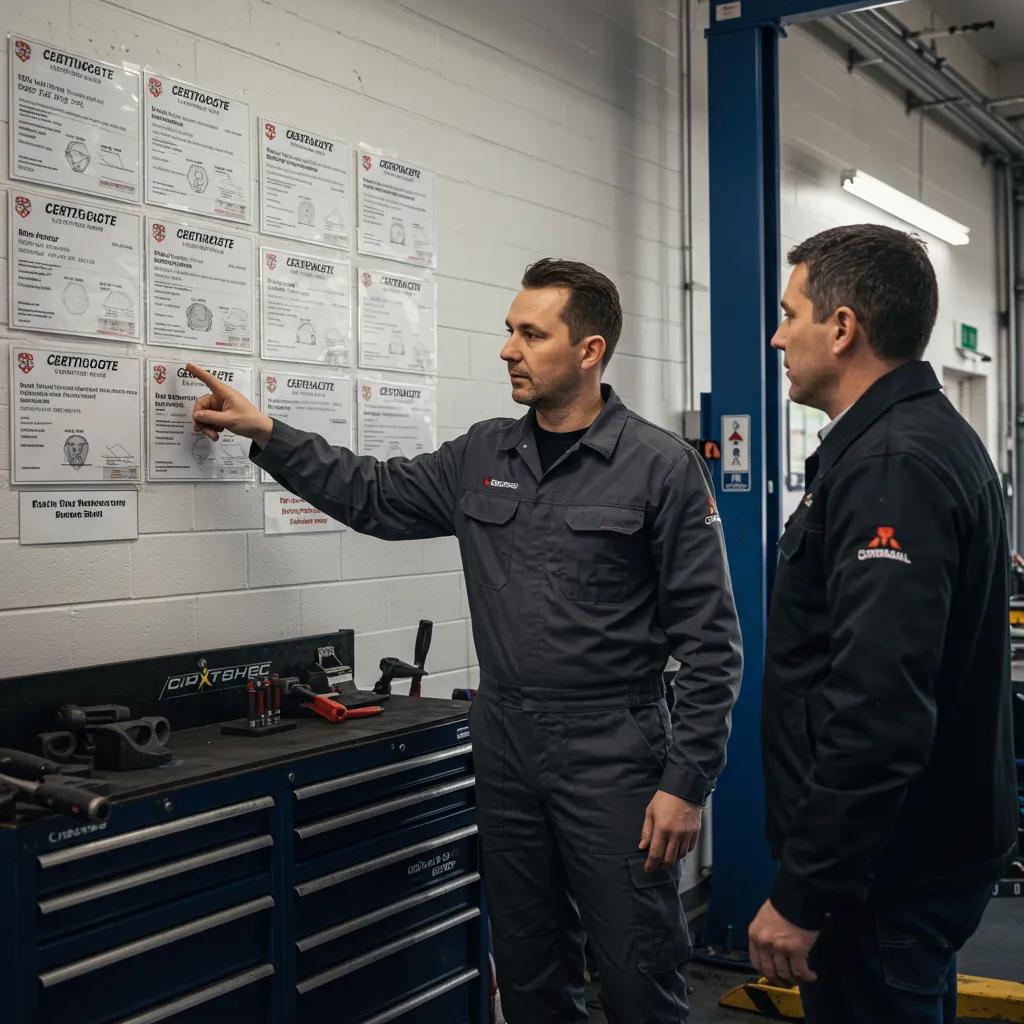
A trustworthy garage earns your confidence through demonstrable qualifications, visible certifications, and a consistent track record of excellent service.
- Verified qualifications from recognised industry bodies prove their technical expertise.
- Transparent, written estimates clearly detail labour, parts, and VAT.
- Positive reviews on prominent platforms reflect recent, satisfied customer experiences.
These essential criteria form the bedrock of a reliable repair shop and equip you to spot key indicators of trustworthiness when you’re researching or visiting in person.
How Prevalent Are Mechanic Scams, and How Can You Dodge Them?
Mechanic scams can range from suggesting unnecessary part replacements to presenting inflated labour invoices, impacting countless UK drivers every year.
- Urgent, unsolicited repair recommendations can often lead to inflated costs.
- Phantom faults might be presented on diagnostic reports solely to increase charges.
- Inferior quality parts can be billed as premium replacements.
Always insist on a detailed, step-by-step explanation of any proposed work and compare quotes from multiple garages to guard against overcharging and unnecessary repairs.
What Are the Hallmarks of a Reputable Garage in Your Area?
Before you commit to a service, keep an eye out for these clear signs of professionalism and quality:
| Indicator | What It Signifies | How It Benefits You |
|---|---|---|
| Industry Accreditation | Membership in schemes like the Motor Ombudsman or Good Garage Scheme | Assurance that they adhere to a recognised code of practice |
| Tidy Work Area | A neat, well-organised workshop | Suggests systematic and careful working processes |
| Visible Pricing Information | Clearly displayed pricing guidelines and sample estimates | Reduces the likelihood of hidden charges |
| Guaranteed Workmanship | A written warranty covering both parts and labour | Protection against premature component failures |
These practical indicators help you assess a garage’s commitment to high standards and excellent customer care before you book your next repair or maintenance appointment.
With a solid understanding of the core elements that build trust, you’re now ready to explore proven strategies for finding a skilled mechanic who truly fits your needs.
How to Find a Great Car Mechanic: Proven Tips and Recommendations
Discovering a competent mechanic involves a smart blend of online research, personal recommendations, and on-site assessments to build a reliable shortlist. Begin by gathering reviews, then validate these insights by asking direct questions and making in-person observations. This multi-faceted approach ensures you benefit from both broad community feedback and direct, hands-on evaluations before entrusting your vehicle. Key steps include leveraging review platforms, seeking referrals from friends and family, and scheduling preliminary visits to gauge professionalism and communication firsthand. By following these recommendations, you significantly boost your chances of securing high-quality workmanship and long-lasting peace of mind.
How Can Online Reviews Guide You to a Reliable Mechanic?
Online reviews consolidate real-world experiences, effectively highlighting consistent strengths or recurring issues:
- Google reviews provide overall satisfaction ratings and detailed customer feedback.
- Trustpilot ratings offer verified insights into communication, punctuality, and value for money.
- Checkatrade listings often include accreditation badges and records of independent dispute resolutions.
Summaries of reviews reveal patterns in reliability, while individual testimonials shed light on how garages handle specific types of repairs.
Why Are Personal Recommendations So Valuable for Finding a Good Mechanic?
Word-of-mouth referrals come with inherent accountability and offer highly relevant context:
- Friends and family share candid feedback on reliability and cost transparency.
- Local motoring clubs frequently endorse garages with a proven history of excellent service.
- Social media groups can reveal up-to-the-minute experiences from recent visitors.
Personal insights complement online data by providing timely, situation-specific perspectives that align closely with your own priorities.
What Should You Look For When You Visit a Garage in Person?
An on-site visit allows you to verify the practical aspects of a workshop’s operations:
| Aspect | What to Observe | The Benefit to You |
|---|---|---|
| Reception and Waiting Area | A clean, welcoming customer space and clear signage | Indicates a respect for client comfort and professionalism |
| Diagnostic Tools | Modern scanning equipment and testing apparatus | Suggests capability for accurate fault identification |
| Staff Demeanour | Polite, knowledgeable, and clear communication | Reflects a professional and transparent approach |
| Vehicle Handling Practices | Designated parking bays, protective covers, and proper waste disposal | Demonstrates care and attention to your vehicle |
Assessing these elements firsthand strengthens your decision-making process and helps set clear expectations for the quality of service you’ll receive.
Now that you’re equipped with effective discovery tactics, let’s move on to evaluating the crucial accreditations and certifications that set apart certified technicians across the UK.
What Accreditations and Certifications Should a Reliable UK Mechanic Possess?
Accreditations serve as validation of a garage’s commitment to industry standards, assuring you that technicians have the skills and ethical approach you expect. Recognised certifications cover technical proficiency, adherence to customer service codes, and established dispute resolution processes. These credentials act as independent quality assurances, reducing the risk of subpar workmanship and providing you with recourse should the service fall short. By prioritising accredited garages, you gain the benefit of external oversight, professional training standards, and clear complaint procedures that uphold a high level of accountability.
| Accreditation Scheme | Its Function | Your Advantage |
|---|---|---|
| Motor Ombudsman | Enforces a code of practice and facilitates dispute resolution | Guaranteed access to impartial mediation services |
| Good Garage Scheme | Promotes approved repair centres following quality audits | Confidence in regular, independent quality checks |
| IMI & ATA Certifications | Validate technician training and ongoing professional development | Assurance of up-to-date technical knowledge and skills |
| RAC Approved Garages | Endorses garages that meet stringent service criteria | Peace of mind through a trusted national network |
These credentials signify garages that are dedicated to continuous improvement and prioritising customer protection, making them excellent choices for discerning vehicle owners.
What Questions Should I Pose to a Mechanic to Ensure Reliability?
Asking the right questions can reveal a mechanic’s expertise, honesty, and dedication to transparent service. The key inquiries will clarify their technical capabilities, operational methods, and protective measures before any work commences. Engaging in this dialogue empowers you to objectively compare responses and select a workshop that aligns with your expectations for quality, communication, and value.
Which Crucial Questions Uncover a Mechanic’s Experience and Honesty?
- “How long have you specialised in servicing this particular make or type of repair?”
- “Could you explain precisely why this part needs replacing?”
- “Do you hold any official manufacturer accreditations or recognised trade body certifications?”
These questions delve into their depth of experience, the reasoning behind their diagnoses, and their formal qualifications, guiding you towards making well-informed decisions.
How Can You Verify a Mechanic’s Written Estimates and Warranty Promises?
- Always request a detailed written estimate that itemises all parts, estimated labour hours, and VAT.
- Confirm the exact duration and scope of any warranty offered on labour or parts, ensuring it’s in writing.
- Compare the standard warranty terms offered by different garages to ensure consistency and fairness.
By verifying estimates and guarantees upfront, you secure absolute clarity on their commitments and your options for recourse should any issues re-emerge.
What Level of Customer Service and Communication Should You Expect?
- Prompt and courteous responses to any queries, whether by phone or in person.
- Regular updates on the progress of the work, including notification of any unforeseen issues.
- A clear handover process, complete with explanations of the work that has been carried out.
High-quality communication is a strong indicator of a garage’s respect for your time and investment, laying the foundation for a trustworthy working relationship.
With a firm grasp on the right questions and safeguards, your next priority is to confidently interpret repair quotes and avoid being overcharged.
How Can I Understand and Compare Car Repair Quotes to Prevent Overcharging?

Transparent quotes break down costs into labour, parts, and any additional fees, allowing for fair comparisons and informed negotiations. Learning to spot common red flags in estimates and soliciting multiple quotes will help you identify outliers and unreasonable markups. Understanding the warranty terms for both parts and labour provides an extra layer of protection against costly repeat visits. This diligent approach minimises the risk of overpayment and ensures you’re investing in repairs that deliver genuine value and lasting reliability.
What Are Common Warning Signs in Repair Quotes?
- Vague descriptions like “general labour” without a breakdown of specific tasks.
- Unexplained fixed fees that significantly exceed typical labour rates.
- Parts listed as “OEM quality” without specifying the brand or origin.
Identifying these issues early on helps prevent hidden charges and fosters transparent relationships with your service provider.
How Do You Obtain and Effectively Compare Multiple Quotes?
- Provide each garage with identical vehicle details and a precise description of the fault.
- Request itemised breakdowns detailing labour hours, parts costs, and VAT.
- Create a simple side-by-side comparison of the total estimate and key individual line items.
A comparative analysis will highlight significant differences and guide you towards the most reasonable and fully explained option.
What Warranties Should You Expect on Parts and Labour?
- A minimum of 12 months’ cover on replacement parts, often under manufacturer warranty.
- A labour guarantee of at least three months or 1,000 miles on the repair work performed.
- Clear terms and conditions for making warranty claims, including any required documentation.
Robust warranty provisions are essential for protecting both your vehicle’s performance and your financial outlay.
With a clear understanding of quotes and safeguards in place, you can proceed with confidence and be aware of your rights should the service not meet expectations.
What Are My Consumer Rights When It Comes to Car Repairs in the UK?
UK consumer law provides robust protection for motorists against unfair practices, granting rights to refunds, repairs, or replacements when work is found to be defective or incomplete. These statutory protections work alongside voluntary accreditation schemes, offering you legal avenues for recourse if a garage fails to meet its obligations. Understanding your entitlements acts as a deterrent against substandard service and empowers you to enforce compliance with national trading standards in the event of a dispute.
What Rights Do You Have If a Mechanic Delivers Poor Service?
Under the Consumer Rights Act, every UK consumer is entitled to a repair or a refund if the workmanship does not meet reasonable standards. You have the right to insist on corrections to bring the work up to a professional level at no additional cost. If a satisfactory resolution cannot be achieved, you may be entitled to claim compensation for losses directly resulting from the substandard repairs.
How Can Disputes with Garages or Mechanics Be Resolved?
Start by lodging a formal complaint directly with the garage, following their established complaints procedure. If the issue remains unresolved, escalate it to the Motor Ombudsman for independent mediation. This service is free, binding, and ensures an impartial resolution based on established industry standards. This process offers a structured pathway to a remedy without the need for costly legal action.
Now that you’re armed with knowledge of your rights and dispute resolution mechanisms, let’s look ahead to emerging trends and how to find specialists for electric vehicles or other niche car types.
How Do I Find a Mechanic Specialising in Electric Vehicles and Other Vehicle Types?
Choosing a specialist mechanic ensures that technicians possess the unique skills, diagnostic equipment, and safety protocols essential for advanced vehicle technologies. As the UK increasingly embraces electric transport, certified EV technicians are crucial for correct high-voltage system handling, battery diagnostics, and software updates. Similarly, owners of classic cars require garages experienced in heritage bodywork, carburettor tuning, and sourcing period-correct parts. Recognising the relevant qualifications and equipment is key to safeguarding performance and preserving your vehicle’s value.
Why is it Crucial to Find EV-Certified Mechanics?
EV-certified technicians have undergone specialised training in high-voltage systems, battery management, and the diagnostics of regenerative braking. This focused expertise significantly minimises the risk of improper handling and ensures optimal battery health, directly enhancing both reliability and driving range.
What Should You Know About Mechanics for Classic Cars and Other Specialist Vehicles?
Specialists in classic cars bring in-depth knowledge of original specifications, authentic components, and traditional restoration techniques. Their expertise is vital for accurate engine tuning, period-correct bodywork, and maintaining heritage value, thereby preserving both performance and collectibility.
How Do Certifications Like IMI Apply to EV and Specialist Mechanics?
Institutes such as the IMI offer modular qualifications that cover both traditional automotive systems and cutting-edge technologies. Holding IMI credentials demonstrates a technician’s commitment to ongoing learning and adherence to the latest safety and service standards across all vehicle categories.
By seeking out these specialist credentials, you can be confident that your vehicle will receive expert care precisely tailored to its specific technology and heritage requirements.
Selecting a reliable mechanic doesn’t have to be a daunting task when you’re equipped with clear trust criteria, effective search strategies, recognised accreditations, precise questioning techniques, smart cost-comparison methods, and a solid understanding of your legal rights. Whether you drive a state-of-the-art EV or a cherished classic, these guidelines will transform your search into a structured, confidence-building journey. Apply this framework to identify garages that excel in technical expertise, transparency, and customer care, and you can look forward to worry-free vehicle maintenance throughout its lifespan.