

Expert Tire Repair & New Tire Sales: Blackstone Complete Auto Care LLC
When your vehicle’s performance depends on precise tire and auto care, choosing complete tire auto services makes all the difference—restoring safety, enhancing handling, and extending component life. This guide delivers actionable insights on professional tire repair offerings, selecting the right new tires, complementary auto maintenance, wheel alignment costs, locating a reliable service center, common service inquiries, and how certified technicians ensure vehicle safety and performance. Along the way, you’ll discover how our service center’s certified technicians, competitive pricing, and convenient online scheduling support each element of your maintenance plan.
What Tire Repair Services Does a Professional Tire Auto Shop Offer?
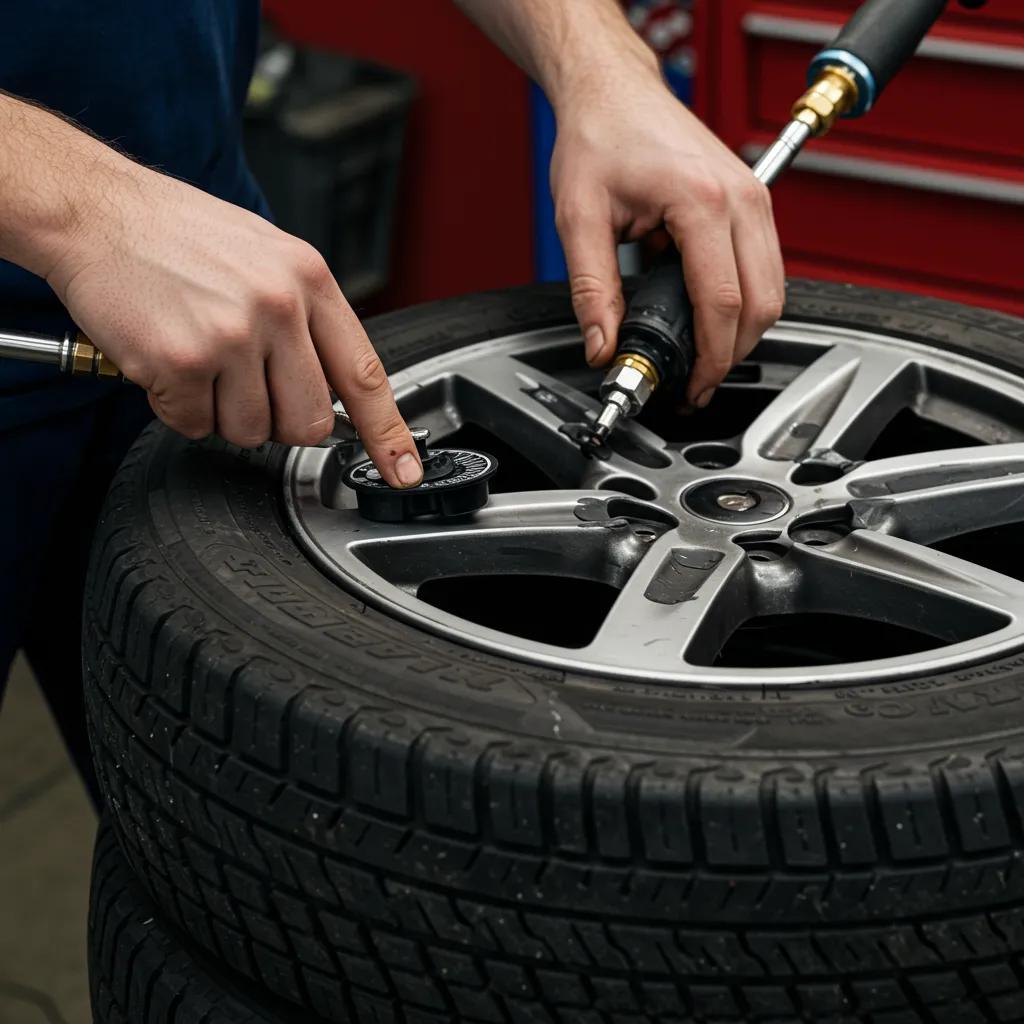
Professional tire repair services restore tire integrity, combining expert inspection, damage assessment, and corrective procedures to improve safety and road performance. A full-service tire auto shop offers specialized solutions for punctures, valve issues, tread damage, and sensor recalibration, all backed by industry-standard warranties and transparent pricing that enhance customer trust and value.
Most facilities include these core offerings:
- Comprehensive tire inspection and damage diagnosis
- Puncture patching, plug-and-patch and replacement procedures
- Valve stem service and TPMS sensor checks
- Tire rotation, wheel balancing, and rim inspection
- Road force balancing for high-speed stability
These services work together to maintain optimal traction, prevent air loss, and extend tire life, setting the stage for selecting the right replacement tires if repair thresholds are exceeded.
How Is Flat Tire Repair Performed and When Is It Needed?
Flat tire repair involves locating the puncture, cleaning the area, applying a sealant patch, and verifying air retention to restore tire structure and safe driving capability. This service is essential when the puncture is within the tread area, the inner liner remains intact, and wheel damage is absent.
Repair steps include:
- Inspection of the tire interior and exterior to locate the puncture.
- Cleaning the hole and surrounding rubber to ensure adhesive bonding.
- Applying a plug and patch assembly inside the tire for a permanent seal.
- Balancing the wheel-tire assembly to maintain even rotation.
- Pressure testing to confirm airtight integrity.
A well-executed repair supports continued tire performance and lays the foundation for monitoring tread depth and overall tire health.
What Are the Signs You Need Tire Replacement or Repair?
Tire replacement or repair becomes necessary when wear or damage compromises safety, traction, or structural integrity. Identifying these signs early prevents roadside emergencies and supports reliable vehicle handling.
Key indicators include:
- Tread depth below 2/32 inch, reducing wet traction
- Visible sidewall cracks, bulges, or exposed cords
- Frequent air loss despite proper inflation
- Vibrations or pulling during driving
- Irreparable punctures in the shoulder or sidewall
Detecting these symptoms prompts timely repair or replacement, reinforcing tire performance before problems escalate.
How Does Tire Rotation and Balancing Extend Tire Life?
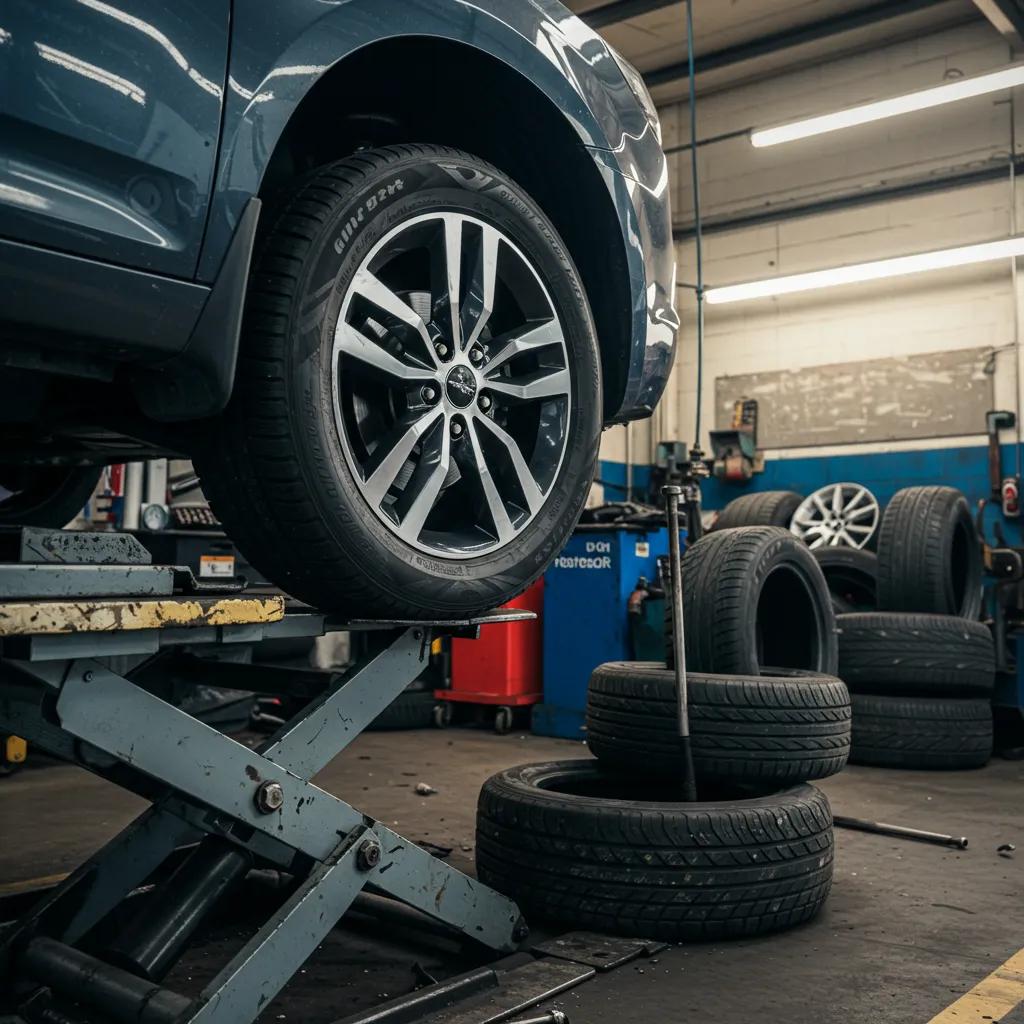
Tire rotation and wheel balancing extend tire life by distributing wear evenly and correcting weight imbalances that cause uneven tread degradation.
Rotating tires every 5,000–7,500 miles rearranges tire positions—front to rear and side to side—while balancing aligns weight distribution around the wheel assembly, improving ride quality and preventing premature wear.
Rotation and balancing deliver three core benefits:
- Even Wear across all four tires, maximizing tread life
- Enhanced Handling by maintaining uniform tire contact
- Fuel Efficiency through reduced rolling resistance
Consistent maintenance preserves tire integrity and supports predictive planning for eventual tire replacement.
Tire Inflation and Fuel Economy: Overinflation Effects
The effect of overinflation on tire rolling resistance/fuel economy. Tires run underinflated …Commercial trailer tires: Tire inflation and its effect on rolling resistance, fuel economy, and tire footprint, Unknown Author, 2015
Proper tire inflation is crucial for maintaining optimal fuel efficiency, as underinflated tires significantly increase rolling resistance. This increased resistance requires more energy from the engine to move the vehicle, directly impacting fuel consumption.
Tyre Inflation Pressure’s Impact on Fuel Economy and Vehicle Handling
… fuel consumption of the vehicle. In this thesis work the role of tyre inflation pressure on the fuel economy is … The impact of factors such as tyre tread design, tread depth, standing water …Influence of Tyre Inflation Pressure on Fuel Consumption, Vehicle Handling and Ride Quality-Modelling and Simulation, Unknown Author, 2014
What Is the Role of Tire Pressure Monitoring System (TPMS) in Tire Safety?
A Tire Pressure Monitoring System (TPMS) continuously monitors inflation levels via in-valve or band-mounted sensors, alerting drivers when pressure deviates from the manufacturer’s recommended range. Proper inflation—maintained within ±5 PSI—enhances handling, reduces heat buildup, and improves fuel economy.
TPMS contributes to safety in three ways:
| Function | Mechanism | Benefit |
|---|---|---|
| Real-time Alerts | Pressure sensors detect deviations instantly | Prevents blowouts and poor handling |
| Automatic Calibration | Sensor reprogramming after tire service | Ensures accurate readings post-maintenance |
| Reduced Wear | Optimal inflation minimizes uneven wear | Prolongs tread life and stability |
Effective TPMS management safeguards performance and supports long-term tire health.
How to Choose the Right New Car Tires for Your Vehicle?
Choosing new car tires involves matching tire characteristics to driving conditions, vehicle specifications, and performance goals to improve safety and handling. Understanding load capacity, speed ratings, and compound design ensures optimal traction, comfort, and mileage.
A structured selection process includes:
- Assessing typical weather and road conditions
- Comparing tire categories—All-Season, Winter, Performance
- Reviewing load index and speed rating requirements
- Evaluating brand reputation, warranty coverage, and price
- Considering eco-friendly or EV-specific options for fuel efficiency
This approach empowers informed decisions that balance performance, durability, and cost-effectiveness.
What Are the Differences Between All-Season, Winter, and Performance Tires?
All-season, winter, and performance tires each serve distinct roles by optimizing tread compound, pattern, and construction for specific conditions, thereby enhancing safety and driving experience.
| Tire Category | Weather Suitability | Design Focus | Typical Lifespan |
|---|---|---|---|
| All-Season | Mild wet/dry conditions | Balanced traction and tread wear | 50,000–70,000 miles |
| Winter | Snow, ice, sub-freezing | Soft rubber compound, deep sipes | 20,000–40,000 miles |
| Performance | Dry/wet performance, cornering | Large contact patch, stiffer sidewalls | 30,000–50,000 miles |
Matching the right category to your vehicle and climate improves grip, control, and tire longevity.
Which Tire Brands Offer the Best Quality and Value?
Premium tire brands combine material science, rigorous testing protocols, and robust warranties to deliver long-term value and reliable road performance. These leaders consistently innovate tread compounds and structural designs.
| Brand | Specialty | Warranty Coverage |
|---|---|---|
| Michelin | Fuel efficiency, longevity | Up to 70,000 miles |
| Bridgestone | All-season versatility | Up to 65,000 miles |
| Goodyear | Performance and comfort | Up to 60,000 miles |
| Continental | Wet traction technology | Up to 50,000 miles |
Selecting a reputable brand aligns product quality with driving priorities and total cost of ownership.
How to Understand Tire Sizing, Load Index, and Speed Ratings?
Tire sizing, load index, and speed ratings define capacity and performance boundaries, guiding safe usage under varying loads and speeds. Correct interpretation prevents overloading and unsafe driving conditions.
Key elements include:
- Tire Size Code (e.g., 225/55R17) indicating width, aspect ratio, and rim diameter
- Load Index (numerical value) representing maximum weight per tire
- Speed Rating (letter) specifying maximum safe speed capability
Adhering to manufacturer-specified ratings supports vehicle stability and complies with safety regulations.
What Are the Benefits of Eco-Friendly and EV-Specific Tires?
Eco-friendly and EV-specific tires integrate advanced rubber compounds and tread designs to reduce rolling resistance, noise, and energy consumption, directly enhancing electric vehicle range and sustainability.
Benefits include:
- Lower rolling resistance for improved mileage and reduced emissions
- Noise-dampening tread patterns for quieter rides
- Reinforced sidewalls to support higher EV torque demands
- Specialized compounds that maintain grip at lower temperatures
Choosing these innovative tires promotes environmental responsibility and maximizes EV performance.
What Auto Repair and Maintenance Services Complement Tire Care?
Comprehensive vehicle maintenance services support tire health by ensuring all related systems operate optimally, reducing stress on tires and enhancing overall safety. Regular service intervals maintain engine performance, steering precision, brake function, and suspension stability—each influencing tire wear patterns.
Core complementary services feature:
- Engine oil and filter changes to preserve drivetrain efficiency
- Brake inspections and repairs to prevent uneven tire loading
- Wheel alignment adjustments to maintain correct tire angles
- Suspension and steering checks to avoid abnormal wear
- Battery testing to ensure electrical components, including TPMS, function reliably
These integrated solutions deliver balanced performance and reinforce tire longevity.
Why Are Regular Oil Changes Essential for Vehicle Performance?
Regular oil changes remove contaminants and replenish lubrication, reducing friction, wear, and heat buildup within the engine. This service supports fuel efficiency, lowers emissions, and prevents costly mechanical failures.
Oil change advantages include:
- Enhanced Engine Protection through clean oil films
- Improved Fuel Economy via reduced internal resistance
- Extended Component Life by minimizing abrasive wear
Maintaining fresh oil conditions the engine for reliable power delivery and contributes indirectly to stable tire loading.
How Does Wheel Alignment Affect Tire Wear and Vehicle Handling?
Proper wheel alignment adjusts camber, toe, and caster angles so tires contact the road evenly, promoting uniform tread wear and precise steering response. Misalignment causes pulling, vibration, and rapid edge wear, compromising safety and ride quality.
| Alignment Parameter | Adjustment Scope | Impact on Tires |
|---|---|---|
| Camber | Tilt inward/outward | Prevents inner/outer edge wear |
| Toe | Inward/outward direction | Balances front-to-back rolling |
| Caster | Steering pivot angle | Enhances straight-line stability |
Routine alignment checks support balanced tire wear patterns and confident vehicle control.
Wheel Alignment Feasibility: Measuring Toe and Camber Angles
… Only toe and camber angles are measured within the scope … potential to measure other wheel alignment parameters as well. After … of toe, camber, kingpin inclination and caster with a …Wheel alignment method feasibility study, Unknown Author, 2020
Understanding the precise measurement and adjustment of these angles is fundamental to ensuring optimal tire wear and vehicle stability.
When Should You Schedule Brake Repair and Battery Replacement?
Brake repair and battery replacement sync with tire service intervals to uphold vehicle safety and reliability. Addressing these systems together reduces shop visits and ensures synchronized maintenance.
Service triggers include:
- Brake pad thickness below manufacturer minimum
- Squealing or grinding noises during braking
- Battery age over three years or low voltage readings
- Dashboard warning lights for ABS or battery
Coordinating these repairs with tire rotations optimizes maintenance efficiency and total operating cost.
What Are the Signs Your Suspension or Steering Needs Service?
Suspension and steering components directly influence tire contact and wear; diagnosing issues early prevents uneven tread patterns and handling risks.
- Steering wheel vibration or shimmy at speed
- Uneven tire wear patterns such as cupping
- Pulling to one side despite correct tire pressure
- Excessive bouncing over road irregularities
Timely suspension and steering repairs preserve tire performance and uphold driving comfort.
How Much Does Wheel Alignment Cost and What Does It Include?
Wheel alignment typically costs between $75 and $150 depending on alignment type—two-wheel or four-wheel—and vehicle complexity. This service includes full diagnostic measurement and precision adjustment of suspension geometry to manufacturer specifications, improving tire life and handling.
Included elements:
- Computerized measurement of camber, toe, and caster angles
- Adjustment of suspension linkages and tie rods
- Road test to confirm handling corrections
- Alignment report indicating before-and-after values
Understanding these components clarifies investment value and service expectations.
What Factors Influence Wheel Alignment Pricing?
Alignment pricing varies according to multiple factors, shaping total service cost and value.
Key influencers include:
- Vehicle classification (passenger car, SUV, truck)
- Alignment type (two-wheel vs. four-wheel)
- Extent of wear or damage requiring component replacement
- Technician certification and shop equipment quality
- Regional labor rates and facility overhead
Appreciating these variables helps set realistic budget expectations.
How Is a Professional Wheel Alignment Performed?
A professional wheel alignment follows a standardized sequence to ensure precision:
- Position the vehicle on a level alignment rack and mount sensors to each wheel.
- Measure existing suspension angles using computerized alignment equipment.
- Compare readings to manufacturer specifications.
- Adjust camber, toe, and caster through suspension components.
- Conduct a road test to verify corrected alignment and ride quality.
This process enhances tire wear uniformity and restores optimal steering response.
What Are the Benefits of Combining Wheel Alignment with Tire Rotation?
Combining wheel alignment and tire rotation in a single service appointment maximizes maintenance efficiency, reduces labor costs, and delivers comprehensive tire care.
Combined service benefits:
- Even tread wear through matched alignment and rotation schedules
- Consolidated shop visits for time savings
- Potential package discounts on bundled services
- Single diagnostic report covering alignment and tire condition
An integrated approach streamlines preventive maintenance and supports long-term tire health.
Where Can You Find a Reliable Tire Repair Shop and Auto Service Center Near You?
Finding a reliable tire repair and auto service center involves evaluating certifications, customer reviews, warranty offerings, and convenience features. A trusted facility provides transparent pricing, extended service hours, and user-friendly online scheduling, all supported by certified technicians committed to safety and performance.
Key selection criteria include:
- ASE or factory-certified technician credentials
- Clear, written service estimates and warranty terms
- Onsite advanced diagnostic and alignment equipment
- Flexible hours and digital appointment booking
- Positive local reviews highlighting trust and quality
Assessing these factors ensures you partner with a service center that prioritizes vehicle integrity and customer satisfaction.
What Should You Look for in a Trusted Tire Auto Service Center?
Selecting a trusted tire auto service center depends on facilities, credentials, and service guarantees designed to build confidence and ensure value.
Look for:
- Certified technicians with ongoing training
- Transparent pricing and detailed service breakdowns
- Comprehensive warranties on parts and labor
- Clean, organized service bays and modern equipment
- Positive testimonials reflecting consistent quality
These elements foster trust and affirm the center’s commitment to reliable maintenance solutions.
How Does Online Scheduling Improve Convenience and Accessibility?
Online scheduling streamlines appointment management by offering real-time availability, automated reminders, and digital service selection, reducing wait times and enhancing customer experience.
Benefits include:
- 24/7 appointment booking without phone calls
- Customizable service options with transparent pricing
- Automated confirmation and reminder notifications
- Reduced on-site waiting and improved shop workflow
Digital scheduling empowers drivers to plan maintenance that fits their busy lifestyles while ensuring prompt service delivery.
What Special Offers and Warranties Should You Expect?
Reputable service centers deliver value through seasonal promotions, loyalty programs, and robust warranties—reinforcing cost savings and peace of mind.
Typical offers and guarantees include:
- Multi-tire purchase discounts or rebates
- Free alignment checks with tire installation
- Manufacturer-backed treadwear warranties up to 70,000 miles
- Satisfaction guarantees covering workmanship
These programs align service quality with customer expectations and long-term maintenance budgets.
What Are Common Questions About Tire Auto Services?
Vehicle owners often inquire about maintenance intervals, warning signs, and system functionality to stay ahead of issues that compromise safety and performance. Addressing these questions proactively builds understanding and supports informed service decisions.
Highlighted topics include rotation frequency, uneven wear detection, TPMS troubleshooting, and safety outcomes—each critical to maintaining optimal vehicle operation.
How Often Should Tires Be Rotated and Inspected?
Tires should be rotated and inspected every 5,000 to 7,500 miles—or with each oil change—to ensure even tread wear, balanced handling, and early detection of damage. This schedule aligns tire maintenance with routine engine service, reducing downtime and extending component life.
Regular inspections during rotation reveal punctures, sidewall damage, and foreign objects before they escalate into costly repairs.
What Are the Warning Signs of Uneven Tire Wear?
Uneven tire wear manifests through specific patterns that signal alignment, balance, or suspension issues requiring prompt attention.
Common wear indicators include:
- Feathering: Irregular edge wear suggesting misaligned toe settings
- Cupping: Scalloped dips caused by worn shock absorbers
- Center Wear: Overinflation leading to peaked tread in the middle
- Edge Wear: Underinflation causing wear on both shoulders
Recognizing these patterns helps prioritize corrective alignment or suspension services.
How Can You Tell If Your TPMS Is Malfunctioning?
TPMS malfunctions produce misleading alerts or silence when pressure deviates—posing hidden safety risks if untreated.
Signs of TPMS issues include:
- Dashboard warning light remains on after tire service
- False low-pressure alerts despite correct inflation
- No alert when a tire actually loses significant pressure
- Irregular gauge fluctuations during driving
Addressing sensor faults, dead batteries, or calibration errors restores accurate pressure monitoring and enhances safety.
What Are the Safety Benefits of Regular Tire and Auto Maintenance?
Consistent tire and auto maintenance promotes vehicle safety, reduces breakdown risk, and improves driving confidence.
Key safety benefits are:
- Enhanced Traction through proper tread depth and inflation
- Predictable Handling from correct alignment and balanced wheels
- Reliable Braking with well-maintained tires and brake systems
- Reduced Blowout Risk via timely puncture repair and inspections
Routine upkeep supports safe travel and lowers the likelihood of on-road emergencies.
How Do Tire Auto Shops Ensure Vehicle Safety and Performance?
Tire auto shops ensure safety and performance through comprehensive inspections, certified technician expertise, advanced diagnostics, and precision maintenance processes. This integrated approach identifies potential issues before they escalate, delivering reliable vehicles that meet manufacturer specifications and driver expectations.
Shops leverage training, quality parts, and calibrated equipment to uphold the highest standards of service and customer trust.
How Do Certified Technicians Diagnose and Fix Tire and Auto Issues?
Certified technicians apply structured diagnostic protocols—combining visual inspections, sensor data, and specialized tools—to pinpoint tire and vehicle faults accurately, then implement repairs that restore optimal function.
Key diagnostic steps include:
- Visual and electronic inspection of tire tread, sidewalls, and pressure sensors
- Road force balancing to detect hidden imbalances
- Computerized alignment and steering angle measurement
- Brake system evaluation for rotor wear and pad thickness
- Suspension component testing for shock, strut, and linkage condition
This methodical approach ensures precise repairs and consistent quality assurance.
What Role Does Proper Tire Maintenance Play in Fuel Efficiency?
Proper tire maintenance improves fuel efficiency by minimizing rolling resistance and ensuring optimal tire-road contact. Maintaining correct inflation, balanced wheels, and aligned suspension angles reduces the engine’s workload and conserves fuel over every mile.
Maintenance benefits include:
- Reduced Drag from properly inflated tires
- Consistent Power Delivery when drivetrain stress is minimized
- Lower Emissions due to improved MPG performance
By prioritizing tire care, drivers realize measurable savings at the pump and support environmental goals.
How Do Comprehensive Inspections Prevent Costly Repairs?
Comprehensive vehicle inspections examine interconnected systems—tires, brakes, suspension, and steering—to detect early wear patterns, leaks, or misalignments that could otherwise lead to major mechanical failures and expenses.
Inspection scope covers:
- Tire tread depth, pressure, and sidewall integrity
- Brake component wear, fluid levels, and sensor function
- Suspension joints, bushings, and shock absorber condition
- Wheel alignment angles and steering linkage performance
- Electrical systems including TPMS and battery health
Early detection of anomalies enables timely maintenance, preserving vehicle reliability and avoiding expensive breakdowns down the road.
Routine tire and auto maintenance is the cornerstone of vehicle safety, efficiency, and longevity, ensuring optimal handling and peace of mind. By combining expert tire repair, precise wheel alignment, and complementary services, drivers benefit from balanced performance and cost savings. Certified technicians, transparent pricing, and convenient online scheduling further enhance the customer experience at each service visit. Embracing regular inspections and timely repairs supports reliable driving and maximizes the lifespan of your tires and vehicle components.