
Maintenance Services Overview Blackstone Complete Auto Care LLC
A robust maintenance service ensures equipment reliability, lowers unplanned interruptions, and maximizes ROI across operations by October 2025. Faced with rising downtime costs and tighter safety regulations, businesses need a clear strategy for asset care—from preventive checkups to AI-driven predictive analytics. This article defines the core maintenance service types, explores their mechanisms and benefits, examines cutting-edge management technologies, highlights industry-specific best practices, outlines a strategic planning framework, answers common user queries, and peers into emerging trends. Each section offers actionable insights to enhance asset performance, integrate advanced solutions, and align maintenance processes with organizational goals.
What Are the Main Types of Maintenance Services?
Maintenance services fall into six primary categories—Preventive, Predictive, Corrective, Condition-Based, Reactive, and Reliability-Centered Maintenance—each tailored to asset reliability and cost control. Understanding these types and their distinct approaches creates a foundation for any maintenance plan.
- Preventive Maintenance: Scheduled inspections and adjustments to avoid equipment failures.
- Predictive Maintenance: Data-driven analysis using IoT and AI to forecast service needs.
- Corrective Maintenance: Targeted repairs performed immediately after a fault occurs.
- Condition-Based Maintenance: Real-time monitoring triggers service when specific metrics cross thresholds.
- Reactive Maintenance: Unplanned fixes after breakdowns, often leading to higher costs.
- Reliability-Centered Maintenance: A strategic framework prioritizing interventions based on criticality and risk.
These six service types define how organizations balance downtime, safety, and cost. Exploring each method clarifies when to apply the right maintenance strategy for optimal asset care.
What Is Preventive Maintenance and How Does It Extend Asset Lifespan?
Preventive maintenance is a scheduled program of inspections, lubrication, and parts replacement designed to minimize unexpected failures. By addressing wear patterns and routine degradation before breakdowns occur, this service extends equipment lifespan and reduces emergency repair costs. For example, quarterly bearing inspections on industrial pumps identify early signs of fatigue and prevent catastrophic failure. Consistent preventive tasks—such as filter changes and calibrated adjustments—ensure peak performance, prolonging asset life and stabilizing maintenance budgets.
How Does Predictive Maintenance Use AI and IoT to Reduce Downtime?
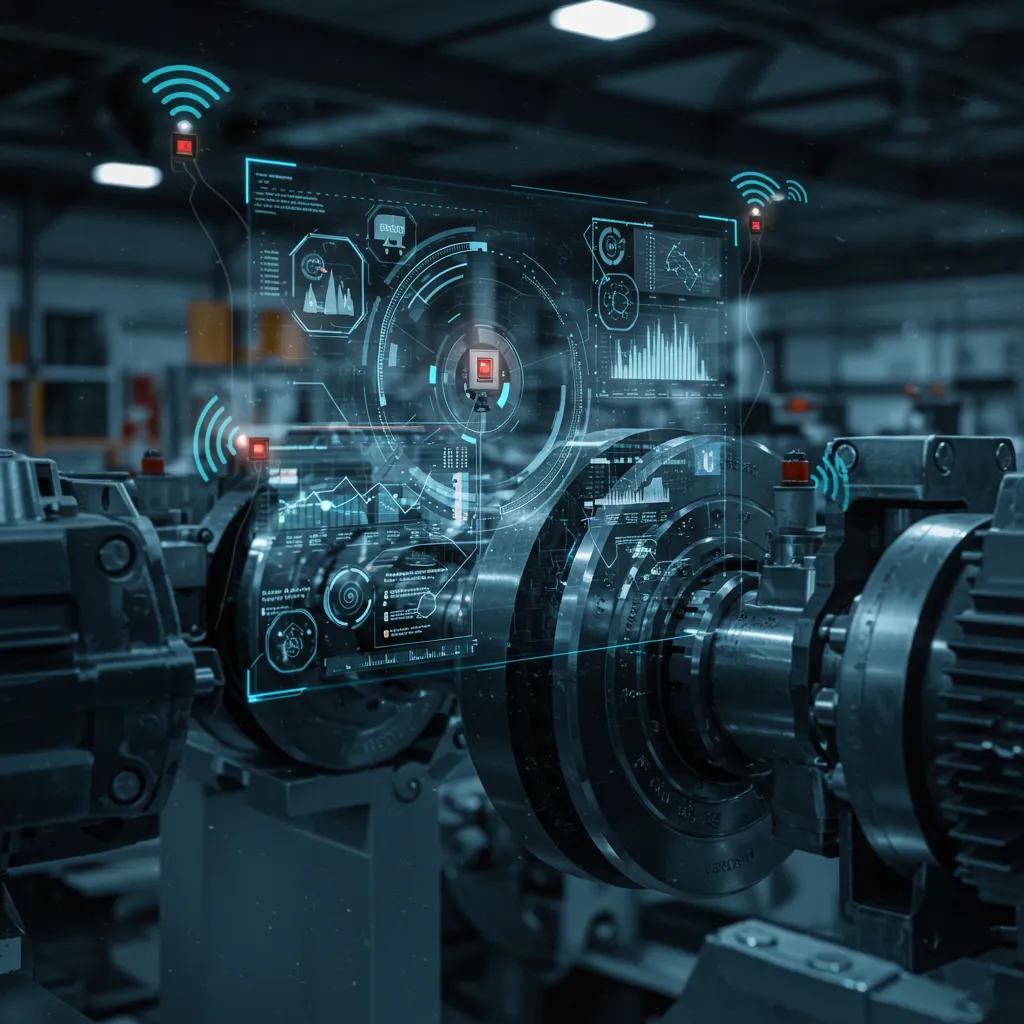
Predictive maintenance leverages IoT sensors to collect vibration, temperature, and acoustic data from assets in real time. Advanced AI and machine learning algorithms analyze these streams to identify patterns indicative of impending faults. Early alerts enable scheduled interventions under controlled conditions, slashing unplanned downtime by up to 20 percent. For instance, integrating predictive analytics software with existing maintenance management systems pinpoints bearing imbalance well before it escalates into a costly failure.
Machine Learning for Predictive Maintenance in Industry 4.0
Machine learning (ML) techniques have emerged as a promising tool in PdM applications, enabling the development of sophisticated systems capable of analyzing vast amounts of data to predict equipment failures before they occur. This proactive approach is crucial for minimizing downtime and optimizing maintenance schedules.Machine learning in predictive maintenance towards sustainable smart manufacturing in industry 4.0, ZM Çınar, 2020
When Should Corrective Maintenance Be Applied to Minimize Impact?
Corrective maintenance applies when a fault has occurred but offers an opportunity to limit operational disruption through swift, targeted repairs. Performing corrective interventions during planned downtime windows—such as shift changes or low-production periods—minimizes impact on operations. For example, replacing a malfunctioning motor during an overnight shift avoids extended shutdowns. This approach balances the immediacy of repairs with efficient resource allocation and reduced overtime expenses.
What Is Condition-Based Maintenance and How Does Real-Time Monitoring Work?
Condition-based maintenance monitors asset health through key indicators like lubricant viscosity, pressure, and electrical signatures. When metrics cross predefined thresholds, automated work orders trigger inspections or replacements. This dynamic model reduces unnecessary tasks and focuses resources where they yield maximum reliability gains. An HVAC system outfitted with humidity and compressor-load sensors, for instance, schedules filter replacements only when indoor air quality metrics decline below standards.
How Does Reactive Maintenance Affect Costs and Risks?
Reactive maintenance—repairing equipment only after breakdowns—often leads to emergency service charges, extended downtime, and safety hazards. Unplanned failures can damage secondary components, inflate spare-parts inventories, and trigger compliance penalties. By contrast, proactive methods mitigate these risks. Excessive reliance on reactive fixes drives maintenance budgets upward and erodes stakeholder confidence in operational resilience.
What Is Reliability-Centered Maintenance and Its Strategic Role?
Reliability-centered maintenance (RCM) is a decision-framework that prioritizes interventions based on an asset’s function, failure modes, and risk implications. RCM allocates maintenance resources to components whose failure poses the greatest operational, safety, or environmental consequences. Implementing RCM involves failure-mode-and-effects analysis, aligning service schedules with criticality assessments and cost-impact studies. This strategic model transforms maintenance from cost center to risk-management driver.
Reliability-Centered Maintenance: Current Industry Practices
Reliability centered maintenance (RCM) is a process used to determine activities to be taken to ensure an asset continues to perform asset’s function in asset’s present operating context by identifying asset’s function, fReliability centered maintenance (RCM): literature review of current industry state of practice, ST Ariaratnam, 2023
What Are the Key Benefits of Professional Maintenance Services?
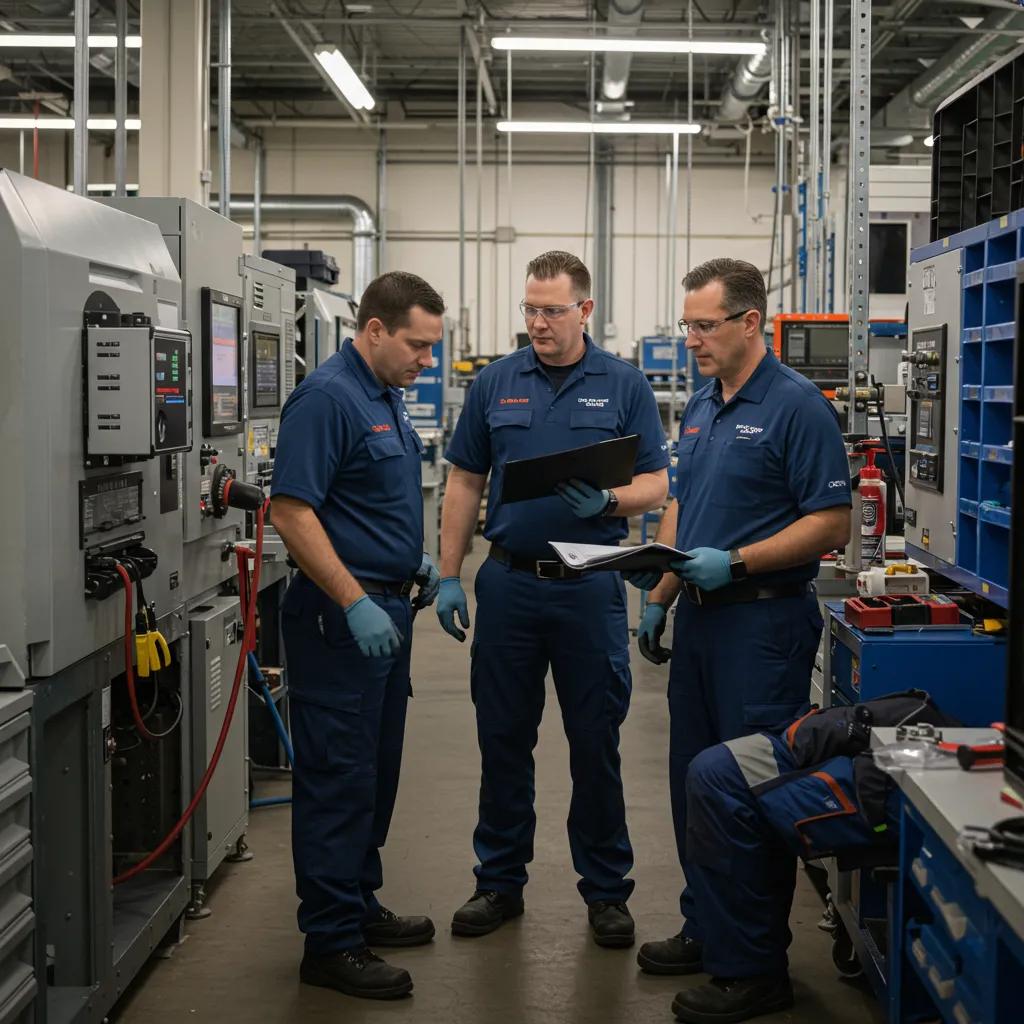
Professional maintenance services deliver measurable value across uptime, cost management, safety, and sustainability metrics. Engaging certified technicians and leveraging structured programs ensures assets operate at design efficiency, generating reliable performance data and compliant records.
- Downtime Reduction – Scheduled interventions and predictive alerts cut unplanned stoppages by up to 30 percent.
- Extended Asset Lifespan – Systematic care and condition monitoring prolong equipment life cycles, improving ROI.
- Cost Savings – Proactive strategies lower emergency repair expenses, reduce energy consumption, and optimize labor allocation.
- Safety and Compliance – Adhering to regulatory standards and conducting hazard inspections ensures workplace safety and audit readiness.
- Energy Efficiency – Well-tuned machinery and optimized processes reduce power draw and greenhouse-gas emissions.
These benefits compound to strengthen operational resilience and deliver a clear return on maintenance investments, establishing a virtuous cycle of continuous improvement.
How Does Maintenance Service Reduce Operational Downtime?
Maintenance service minimizes operational downtime by combining scheduled preventive tasks with condition-based alerts. Routine inspections catch minor issues before they escalate, and real-time monitoring activates immediate work orders when anomalies appear. This layered approach preserves production continuity, enabling teams to plan maintenance within low-impact windows and avoid costly emergency stoppages.
In What Ways Does Maintenance Extend Equipment Lifespan and ROI?
Regular calibration, lubrication, and component replacement reduce wear and tear, preventing premature failures. Extending asset lifespan by even 20 percent translates directly into higher ROI by deferring capital expenditures. For example, systematic turbine blade inspections paired with timely rebalancing can prolong service intervals by years, amplifying revenue potential before a full replacement is required.
How Can Proactive Maintenance Lead to Significant Cost Savings?
Proactive maintenance strategies intercept faults early, converting potentially expensive repairs into routine service tasks. This shift from reactive to scheduled interventions slashes spare-parts premiums, curtails rush-hour labor rates, and avoids collateral damage. Over a five-year horizon, strategic maintenance planning reduces total cost of ownership by as much as 25 percent.
How Does Maintenance Enhance Safety and Compliance Standards?
Professional maintenance enforces adherence to industry regulations—such as lockout/tagout protocols and electrical safety codes—through documented safety checks and certified technician sign-offs. Regular inspections identify hazards like worn insulation or loose fasteners, preventing injuries and costly penalties during regulatory audits.
What Role Does Maintenance Play in Improving Energy Efficiency?
Optimally maintained motors, pumps, and HVAC units operate within designed performance curves, reducing energy waste. Debris-free filters, precise alignment, and correct fluid viscosities lower friction losses. Organizations that integrate energy-focused maintenance logs into their asset management software realize up to 15 percent savings on utility bills annually.
How Do Advanced Technologies Transform Maintenance Services?
Advanced technologies—CMMS, IoT, AI, and fleet management platforms—are revolutionizing maintenance service delivery by automating workflows, enabling real-time insights, and prioritizing high-value tasks. Integrating these tools streamlines work-order management, supports data-driven decisions, and empowers teams with predictive foresight.
What Features Should You Look for in Maintenance Management Software (CMMS)?
A best-in-class maintenance management software includes work-order automation, asset hierarchy mapping, mobile technician interfaces, preventive schedule generators, and analytics dashboards. These capabilities centralize service records, optimize spare-parts inventories, and drive continuous performance improvement through actionable KPIs.
How Do IoT Sensors Enable Condition Monitoring and Predictive Analytics?
IoT sensors installed on rotating machinery, pipelines, and electrical panels collect vibration, temperature, and current-draw metrics around the clock. Securely streaming this data to cloud-based platforms allows AI models to detect deviation patterns and forecast failures. Organizations leverage these insights to transition from calendar-based tasks to condition-triggered interventions.
How Are AI and Machine Learning Used in Predictive Maintenance?
AI and machine learning algorithms ingest historical maintenance records, sensor data, and operational logs to build predictive models of equipment health. These models refine forecasts over time, identifying previously unseen failure precursors. As data volume grows, predictive accuracy improves, enabling more precise service scheduling and resource allocation.
What Are the Benefits of Fleet Maintenance Management Software?
Fleet maintenance management platforms track vehicle usage, fuel consumption, and service histories across large truck and light-vehicle fleets. Automated reminders for oil changes, brake inspections, and tire rotations reduce breakdowns, improve driver safety, and optimize routing efficiency—lowering total fleet operating costs.
How Are Maintenance Services Applied Across Different Industries?
Tailoring maintenance service strategies to industry-specific requirements ensures compliance, maximizes asset availability, and addresses unique operational challenges—from manufacturing plants to commercial facilities and vehicle fleets.
What Are Best Practices for Industrial Equipment Maintenance?
In manufacturing environments, combining preventive lubrication schedules with vibration analysis and thermal imaging uncovers early faults in pumps, motors, and gearboxes. Standardized checklists, root-cause failure investigations, and rapid spares provisioning reinforce uptime in continuous production.
How Is Facility Maintenance Optimized for Commercial Buildings?
Facility maintenance teams leverage digital inspection apps, RFID-tagged assets, and vendor-managed inventory to sustain HVAC, electrical, and plumbing systems. Scheduled safety audits and energy-use benchmarks guide interventions that preserve tenant comfort, regulatory compliance, and operational budgets.
What Are Key Considerations in Automotive and Fleet Maintenance Services?
Automotive maintenance services require integration of telematics data with service intervals for oil changes, brake pad wear, and engine diagnostics. Coordinating dealer-level warranty repairs with in-house preventive programs ensures vehicle reliability and maintains resale value for mixed fleets.
How Does HVAC Maintenance Improve Efficiency and Air Quality?
HVAC maintenance services focus on coil cleaning, refrigerant-level checks, and airflow optimization to enhance energy performance and indoor air quality. Regular filter replacements, duct inspections, and calibration of controls sustain designed airflow rates and minimize airborne contaminants.
How Can You Develop an Effective Maintenance Plan and Schedule?
An effective maintenance plan aligns asset criticality, risk assessments, and resource capacity with scheduled service tasks. Structured schedules balance preventive routines, condition monitoring, and corrective interventions to maintain consistent performance.
What Steps Are Involved in Creating a Maintenance Schedule?
- Asset Inventory and Classification – Catalog equipment by function and risk profile.
- Failure Mode Analysis – Identify common fault causes and their operational impacts.
- Task Definition – Define inspection, lubrication, and replacement intervals.
- Resource Allocation – Assign technicians, parts, and tools for each task.
- Schedule Integration – Map service tasks to production calendars and low-impact windows.
How Do Maintenance Service Contracts and SLAs Benefit Your Business?
Maintenance service contracts and service-level agreements establish clear deliverables, response times, and performance metrics. Formalizing expectations reduces dispute risk, guarantees technician availability, and provides predictable budgeting through defined pricing structures.
Which KPIs Are Essential for Measuring Maintenance Performance?
Key performance indicators include Mean Time Between Failures (MTBF), Mean Time to Repair (MTTR), planned versus unplanned downtime ratio, maintenance cost per operating hour, and adherence to scheduled tasks. Tracking these metrics drives continuous optimization and aligns maintenance outcomes with business objectives.
What Maintenance Standards and Certifications Ensure Quality and Safety?
Adhering to ISO 9001 quality management, NFPA 70E electrical safety, and OSHA compliance standards ensures rigorous procedural controls. Certified technicians following these frameworks deliver consistent, auditable maintenance processes and uphold regulatory requirements.
What Are Common Questions About Maintenance Services?
Below are concise answers to frequent user inquiries, optimized for direct snippet retrieval and clarifying key distinctions across maintenance strategies.
What Are the Differences Between Preventive and Predictive Maintenance?
Preventive maintenance relies on fixed schedules to perform routine tasks, while predictive maintenance uses real-time sensor data and AI analytics to forecast service needs, enabling interventions only when performance deviations indicate potential failure.
How Does Predictive Maintenance Reduce Maintenance Costs?
Predictive maintenance lowers costs by replacing emergency repairs with planned interventions, minimizing collateral damage, reducing spare‐parts premiums, and preventing extended downtime through early fault detection.
Why Is Maintenance Important for Asset Reliability?
Maintenance sustains equipment within design specifications, preventing sudden failures, ensuring consistent output quality, and preserving safety standards—factors essential for uninterrupted operations and long-term asset value.
What Is Maintenance Management Software and How Does It Help?
Maintenance management software centralizes work orders, tracks asset histories, automates preventive schedules, and provides analytics dashboards. This digital hub streamlines task coordination, spare-parts procurement, and performance reporting.
What Are the Benefits of Signing a Maintenance Contract?
Maintenance contracts offer guaranteed response times, standardized service deliverables, predictable budgeting, and direct access to certified technicians—ensuring asset care continuity and reducing administrative burdens.
How Can Emerging Trends Shape the Future of Maintenance Services?
Advancements in AI, IoT, and evolving industry standards are driving a shift toward autonomous, data-driven maintenance ecosystems that enhance decision-making and operational resilience.
How Is AI Driving Innovation in Maintenance Predictions?
AI models increasingly incorporate deep-learning techniques to detect subtle equipment aging patterns across multiple sensor modalities. These innovations enable self-learning systems that refine predictions and recommend optimal service intervals without manual model tuning.
What Role Will IoT Play in Next-Generation Maintenance Solutions?
Next-generation maintenance solutions will embed edge-computing IoT nodes directly on assets, reducing data latency and enabling autonomous fault detection. Combined with 5G connectivity, these systems support real-time corrective actions and continuous lifecycle analytics.
How Are Industry Standards Evolving to Support Maintenance Excellence?
Standards organizations are updating frameworks to incorporate digital-twin models, interoperability protocols, and cybersecurity guidelines—ensuring maintenance data integrity and seamless integration across enterprise asset management ecosystems.
What Are Examples of Successful Maintenance Service Implementations?
Leading manufacturers have reduced downtime by 40 percent through combined IoT-AI predictive platforms integrated into their CMMS. Transportation fleets deploying telematics-driven maintenance schedules report 20 percent lower total cost of ownership and higher vehicle availability.
Maintenance services that blend strategic planning, advanced technologies, and industry-tailored best practices create resilient operations capable of meeting evolving demands. By leveraging data-driven insights, certified expertise, and robust processes, organizations unlock sustainable performance gains and secure long-term asset reliability.
Switching Maintenance Strategies: From Corrective to Preventive and Predictive
This paper proposes two different maintenance strategies: preventive maintenance for old technology devices and predictive maintenance for new high-tech devices. The first strategy focuses on scheduled checks to prevent failures, while the latter leverages data analytics and AI to anticipate issues.Improving equipment maintenance—switching from corrective to preventative maintenance strategies, J West, 2024