
Expert Engine Repair & Overhaul Services at Blackstone Complete Auto Care LLC: Precise Diagnostics, Reliable Fixes, and Clear Cost Guidance
Millions of vehicles rely on internal combustion engines, but complex issues can compromise their performance and safety. At Blackstone Complete Auto Care LLC, our specialized engine repair and overhaul services combine expert diagnostics with top-tier parts and straightforward pricing to restore your vehicle’s dependability. This guide will walk you through how we tackle knocking, tapping, and grinding sounds, as well as overheating issues. You’ll learn how to decide between rebuilding or replacing an engine, pinpoint common engine faults, and implement preventative maintenance to extend your engine’s lifespan. Discover the causes behind various symptoms, our diagnostic methods, repair options with estimated costs, and how our ASE-certified technicians ensure lasting results backed by a warranty. This comprehensive resource covers everything critical for your engine—from identifying rod knock to booking your service appointment—so you can make informed choices and keep your vehicle running smoothly.
Common Engine Knocking Sounds: Causes and Solutions
Engine knocking, a metallic pinging noise, signals abnormal combustion that can harm pistons, bearings, and cylinder walls. Catching this early preserves your engine’s life and prevents expensive overhauls.
Understanding Engine Knocking and Its Origins
Engine knocking, also known as detonation, occurs when the air-fuel mixture ignites prematurely or unevenly within the combustion chamber. This uncontrolled combustion creates pressure surges that strike piston crowns and cylinder heads, reducing efficiency and accelerating wear. Recognizing knocking sounds promptly protects vital engine components and averts severe damage.
What Causes Rod Knock and Valve Tapping?
Rod knock stems from worn rod bearings, creating excessive play between the connecting rod and crankshaft, which results in a deep thumping sound at lower RPMs. Valve tapping presents as a lighter, rhythmic ticking caused by loose rocker arms, worn lifters, or insufficient oil pressure. Both symptoms point to internal wear that requires immediate attention to prevent bearing seizure or valve train failure.
How Blackstone Technicians Diagnose Engine Knocking
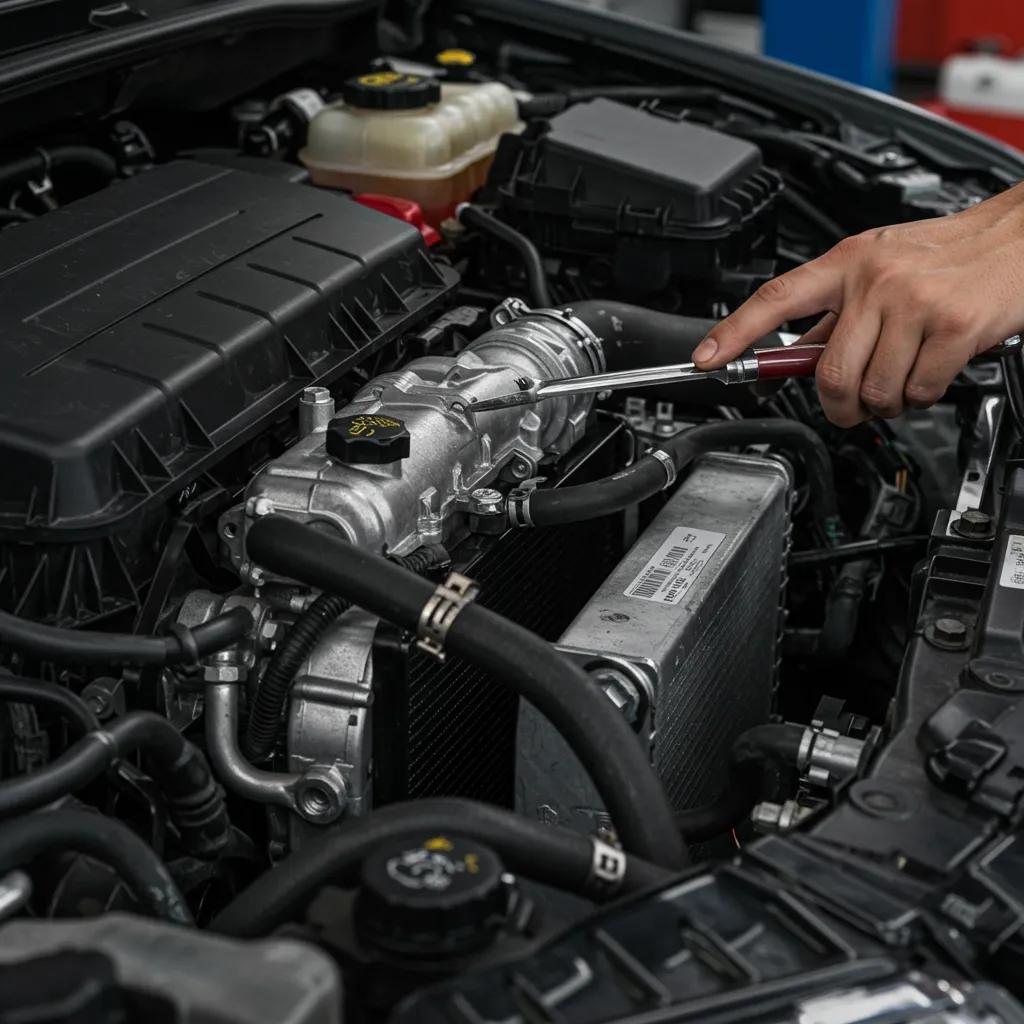
Our technicians use automotive stethoscopes and electronic vibration analysis to pinpoint the source of knocking. This is complemented by an OBD-II scan to check for misfire codes. Compression and leak-down tests assess cylinder integrity, while a borescope inspection verifies the condition of piston crowns and bearings. These combined methods ensure an accurate diagnosis before recommending repairs.
Diagnosis of Internal Combustion Engine Faults via Acoustic Analysis
Internal combustion engines possess distinctive acoustic signatures. An experienced automotive technician can diagnose engine damage by analyzing these sound characteristics. This approach obviates the need for component disassembly to identify mechanical faults, thereby significantly reducing overall repair time. The primary objective of this study is to develop a methodology for identifying malfunctioning machinery through engine noise analysis, incorporating visual data to detect machine faults at an early stage. By capturing diverse engine sound profiles, data visualization techniques are employed to differentiate between healthy engine sounds and those indicative of damage, sourced from vehicles. This audio data will undergo signal processing in conjunction with a linear regression classification algorithm. The visualization data will enable the distinction of various sound types commonly associated with damaged or failing components.Diagnostic on Car Internal Combustion Engine through Noise, B Rahman, 2023
Effective Repairs for Engine Knocking Sounds
Common solutions range from fuel system cleaning and using higher-octane fuel to replacing spark plugs and adjusting ignition timing.
- Fuel Injector Cleaning: Restores optimal spray patterns and the correct air-fuel mixture.
- Spark Plug Replacement: Ensures precise ignition timing and efficient combustion.
- Ignition Timing Adjustment: Aligns the firing order to prevent pre-ignition.
- Rod Bearing Replacement or Engine Overhaul: Addresses worn internal engine components.
These services, when performed promptly, restore smooth engine operation and prevent recurring knocking.
Preventing Engine Knocking Through Proactive Maintenance
Regular oil changes using the manufacturer-recommended viscosity and fueling with the correct octane rating help maintain stable combustion. Cleaning the intake system, replacing worn ignition components, and periodic carbon deposit removal prevent the formation of pre-ignition hotspots. Consistent preventative maintenance keeps your engine healthy and significantly reduces the risk of knocking-related damage.
Engine Overheating Repairs: Costs and Solutions
Engine overheating signals a cooling system issue that can lead to warped cylinder heads, blown gaskets, and seized pistons. Addressing the root cause promptly ensures cost-effective repairs and reliable vehicle operation.
Common Reasons for Engine Overheating
Overheating can be caused by coolant leaks, a faulty thermostat, a clogged radiator, a worn water pump, or a malfunctioning cooling fan. Any disruption to coolant circulation or heat exchange will cause temperatures to rise, potentially damaging the engine.
How Blackstone Diagnoses Overheating Engine Issues
Our technicians use thermal imaging to detect hot spots, pressure-test the cooling system for leaks, and inspect hoses, radiator fins, and fan operation. A chemical test verifies the antifreeze concentration and corrosion inhibitors. These combined diagnostic steps pinpoint the exact cause of overheating and guide the repair strategy.
Typical Repair Options and Costs for Overheating Engines
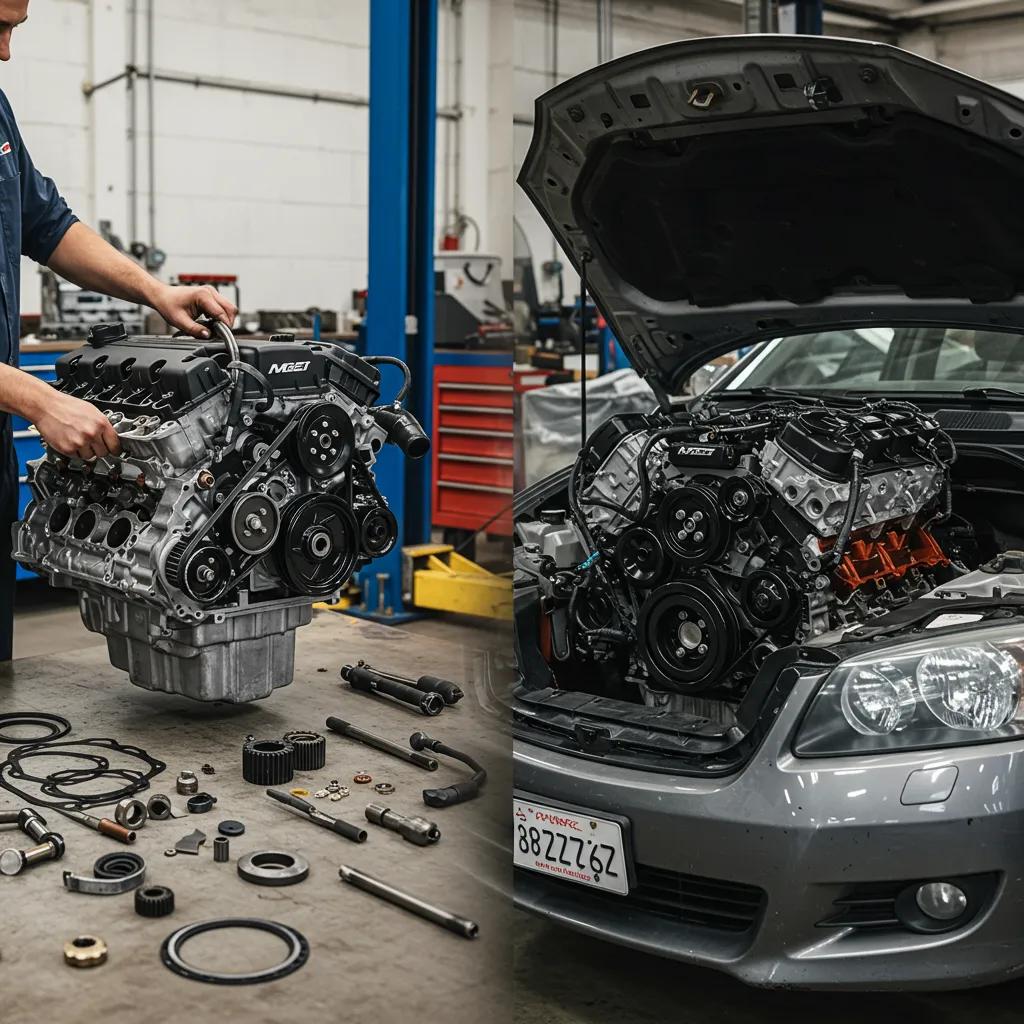
Repair costs vary depending on the complexity of the issue. The following table outlines common solutions and their estimated price ranges based on 2025 market conditions.
| Repair Service | Estimated Cost Range | Benefit |
|---|---|---|
| Radiator Flush & Coolant Replacement | $100 – $200 | Restores efficient heat transfer |
| Thermostat Replacement | $150 – $350 | Ensures accurate temperature regulation |
| Radiator Repair or Replacement | $300 – $800 | Fixes leaks and enhances cooling flow |
| Water Pump Replacement | $250 – $600 | Maintains proper coolant circulation |
| Head Gasket Replacement | $1,200 – $2,500 | Seals combustion chambers and coolant passages |
When Is an Engine Overhaul Necessary Due to Overheating?
An engine overhaul becomes necessary if the cylinder heads have warped or if scoring appears on the cylinder walls or pistons. Persistent overheating that results in head gasket failure, coolant contaminating the oil, or distorted engine block surfaces requires complete disassembly, machining, and component replacement to restore performance.
Preventing Engine Overheating Through Regular Maintenance
Scheduling cooling system inspections every 24,000 miles, replacing hoses and belts at recommended intervals, and maintaining the correct coolant mixture prevent scale buildup and corrosion. Using high-quality antifreeze and keeping radiator fins clean ensures optimal heat dissipation and long-term engine reliability.
Engine Grinding Noises: Causes and Fixes
Grinding sounds from under the hood indicate mechanical friction or failing components that can compromise drivability and safety if ignored.
What Engine Grinding Sounds Indicate About Component Health
A grinding noise typically originates from a worn serpentine belt slipping on a pulley, a failing alternator bearing, water pump issues, or a worn timing chain tensioner. These metal-on-metal or belt-on-pulley contacts produce a sharp, continuous noise and can lead to accessory failure or loss of engine timing.
How Blackstone Technicians Diagnose Grinding Noises
Our technicians conduct a visual inspection of the belt’s condition, spin pulleys to check for bearing roughness, and run the engine at idle while listening with an electronic stethoscope. A tension test confirms proper belt tightness, and a diagnostic scan checks for accessory charging or cooling fan errors linked to bearing wear.
Fundamentals of Automotive Technology: Diagnosis and Repair
Automotive technicians must possess the knowledge and skills to safely and effectively perform maintenance, diagnosis, and repair of automobiles. Fundamentals of Automotive Technology covers all aspects necessary for…Fundamentals of Automotive Technology: Principles and Practice, Unknown Author, 2013
Repair Services for Engine Grinding Noises
Repair options for grinding symptoms include:
- Serpentine Belt Replacement: Restores proper drive alignment.
- Pulley and Tensioner Replacement: Eliminates bearing-related friction.
- Alternator or Water Pump Service: Addresses failing bearings.
- Timing Chain Tensioner Replacement: Prevents timing jumps.
These repairs eliminate grinding noises and protect adjacent systems from further damage.
Engine Rebuild vs. Replacement: When to Choose Which
The decision between rebuilding your current engine or installing a replacement depends on the extent of the damage, your budget, and your long-term vehicle goals.
Signs Indicating an Engine Rebuild Is Needed
An engine rebuild is recommended for moderate wear, such as minor cylinder scoring, low compression in one or two cylinders, or noisy rod bearings, provided the engine block and heads are still in good condition. Rebuilding allows you to salvage valuable components while restoring performance at a lower cost than a full replacement.
When Engine Replacement Is the Better Choice
Engine replacement is the preferred option for severe damage, including extensive cylinder wall scoring, cracked blocks, warped heads, or coolant contamination of the oil. In these situations, the cost of rebuilding can approach or exceed the cost of replacement, making a new or remanufactured engine a more economical and reliable choice.
Comparing Engine Rebuild and Replacement Costs
The table below compares typical cost ranges and benefits for engine rebuilds and replacements, using 2025 pricing:
| Option | Cost Range | Key Advantage |
|---|---|---|
| Engine Rebuild | $2,500 – $4,000 | More affordable, retains original engine |
| Remanufactured Swap | $3,500 – $6,000 | Like-new performance, backed by warranty |
| New Engine Install | $7,000 – $10,000 | Brand-new reliability from the factory |
Pros and Cons of Rebuilding vs. Replacing an Engine
A rebuild offers cost savings and a quicker turnaround for limited damage but relies on some reused components. Replacement provides factory-standard tolerances and extended warranties but comes with a higher initial investment. The best choice depends on your vehicle’s value, expected future mileage, and warranty preferences.
Expert Auto Engine Repair Near You: Blackstone Complete Auto Care LLC
Local drivers rely on Blackstone Complete Auto Care LLC for precise engine diagnostics and repair services, delivered with honesty and exceptional care.
Blackstone’s Engine Problem Diagnostic Services
Our facility provides comprehensive engine diagnostic services, utilizing OBD-II scanning, compression and leak-down testing, thermal imaging, and stethoscope analysis to pinpoint the root causes of noises, misfires, and overheating. Accurate diagnosis ensures targeted repairs and prevents unnecessary part replacements.
How ASE Certified Technicians Ensure Quality Engine Repairs
All engine repairs are performed by ASE-certified automotive technicians who adhere to OEM specifications and use calibrated equipment. Their expertise in engine assembly, torque sequencing, and precision measurement guarantees durable results and consistent performance.
Blackstone’s Warranty and Pricing Transparency
Blackstone Complete Auto Care LLC backs all engine repairs and overhauls with a comprehensive parts and labor warranty, providing customers with complete peace of mind. We provide upfront estimates that clearly detail all service components and costs, ensuring no surprise fees and fostering long-term trust.
Scheduling Engine Repair and Overhaul Services Locally
Booking your engine service is easy. You can schedule an appointment by phone, through our online form, or by visiting our shop during business hours. Our team will confirm your availability, discuss your vehicle’s symptoms, and provide preliminary cost guidance, allowing you to secure a repair slot promptly and confidently.
Common Engine Problems and How They’re Diagnosed
From check engine lights to oil leaks, understanding prevalent engine issues helps you address faults before they become major problems.
What a Check Engine Light Means and How It’s Diagnosed
A check engine light indicates stored OBD-II trouble codes related to emissions, misfires, or sensor failures. Technicians read these codes with a scan tool, interpret specific fault codes (like P030x for misfires or P0420 for catalytic converter efficiency), and perform targeted tests on spark plugs, oxygen sensors, and fuel trim to resolve the underlying issue.
Identifying and Repairing Engine Misfires
Misfires typically manifest as a rough idle, hesitation, or choppy acceleration. Diagnosis involves inspecting spark plugs and ignition coils, testing fuel injector flow, and performing compression checks. Repairs can range from replacing ignition coils or cleaning/swapping injectors to performing a valve job if low cylinder pressure is detected.
Causes and Fixes for Oil Leaks
Oil leaks commonly occur at the valve cover gasket, oil pan seal, front or rear main seals, or timing cover gasket. Technicians locate leaks by cleaning the engine, adding UV-detectable dye, and inspecting gasket surfaces. Repairs involve replacing the gasket, resurfacing seals, and reassembling with the correct torque sequence to prevent recurrence.
Engine Oil Analysis for Preventive Maintenance and Early Fault Detection
Engine oil serves as a valuable indicator of the driveline’s mechanical condition. Under the influence of numerous factors, including operating conditions, time, elevated temperatures, and various contaminants, the oil gradually degrades, potentially leading to significant engine damage. This article investigates how engine failures impact engine oil degradation and whether this knowledge can be leveraged for early detection of potential issues in public transportation vehicles. The research material comprised engine oil samples of SAE 10W-40 viscosity class and vehicle fault data obtained from a public transportation company’s service records. The oils were sourced from two city buses within a fleet of diesel-powered vehicles that were removed from service due to diagnosed critical cooling system failures during engine testing. The conducted studies analyzed the extent of oil degradation, including changes in kinematic viscosity at 40 °C and 100 °C using a Stabinger SVM 3001 viscometer. Physicochemical parameters of the oil, such as oxidation, nitration, total acid number (TAN), total base number (TBN), and the content of soot and glycol impurities, were examined via FTIR spectroscopy. The degree of contamination and the overall oil quality were also assessed using a blotter spot test. Furthermore, elemental analysis via the HDXRF method was employed to determine the extent of metal wear and changes in additive depletion. The results of these tests confirmed potential correlations between the oil’s condition and the vehicle’s technical status under real-world operating conditions.Preventive maintenance in urban public transport: the role of engine oil analysis, W Gołębiowski, 2024
How Timing Belt and Chain Issues Impact Engine Performance
A worn or skipping timing belt or chain disrupts valve timing, leading to rough running, power loss, or catastrophic piston-to-valve contact. Inspection includes checking belt tension, chain guides, and cam/crankshaft alignment. Replacement at manufacturer-recommended intervals restores accurate timing and protects engine integrity.
Extend Engine Life and Avoid Major Repairs with Preventative Maintenance
Proactive maintenance keeps your engine healthy, maximizes fuel efficiency, and prevents costly breakdowns over time.
Why Regular Oil Changes Are Vital for Engine Health
Frequent oil changes remove contaminants, ensure proper lubrication for pistons, bearings, and camshafts, and maintain the function of hydraulic lifters. Using the correct oil grade provides essential wear protection and thermal stability, reducing friction and extending the engine’s lifespan.
Preventing Engine Damage Through Cooling System Maintenance
Periodic coolant flushes remove rust and scale, maintaining optimal flow through the radiator and heater core. Checking the condition of belts, hoses, and the water pump impeller ensures consistent coolant circulation. Maintaining proper thermostat operation prevents hotspots and overheating.
What Are Engine Tune-Up Services and Their Benefits?
A comprehensive tune-up includes replacing spark plugs, ignition wires, air and fuel filters, and inspecting ignition timing. This service restores throttle response, improves fuel economy, and reduces emissions while minimizing the risk of misfires and engine strain.
How Preventative Maintenance Reduces Long-Term Repair Costs
Investing in scheduled oil changes, filter replacements, and cooling system inspections allows us to catch minor issues before they escalate into major repairs. Consistent upkeep reduces wear-related failures, minimizes downtime, and preserves your vehicle’s resale value by keeping engine components within factory specifications.
Regular engine care and timely repairs prevent performance degradation and protect against expensive failures. Whether you’re diagnosing knocking, fixing overheating, addressing grinding noises, or deciding between a rebuild and replacement, understanding the symptoms, causes, and costs empowers you to make confident decisions. With ASE-certified technicians, cutting-edge diagnostics, transparent pricing, and comprehensive warranties, Blackstone Complete Auto Care LLC is ready to restore your engine’s reliability and longevity. Contact our team today to schedule expert engine repair and overhaul services and keep your vehicle running at its best.